
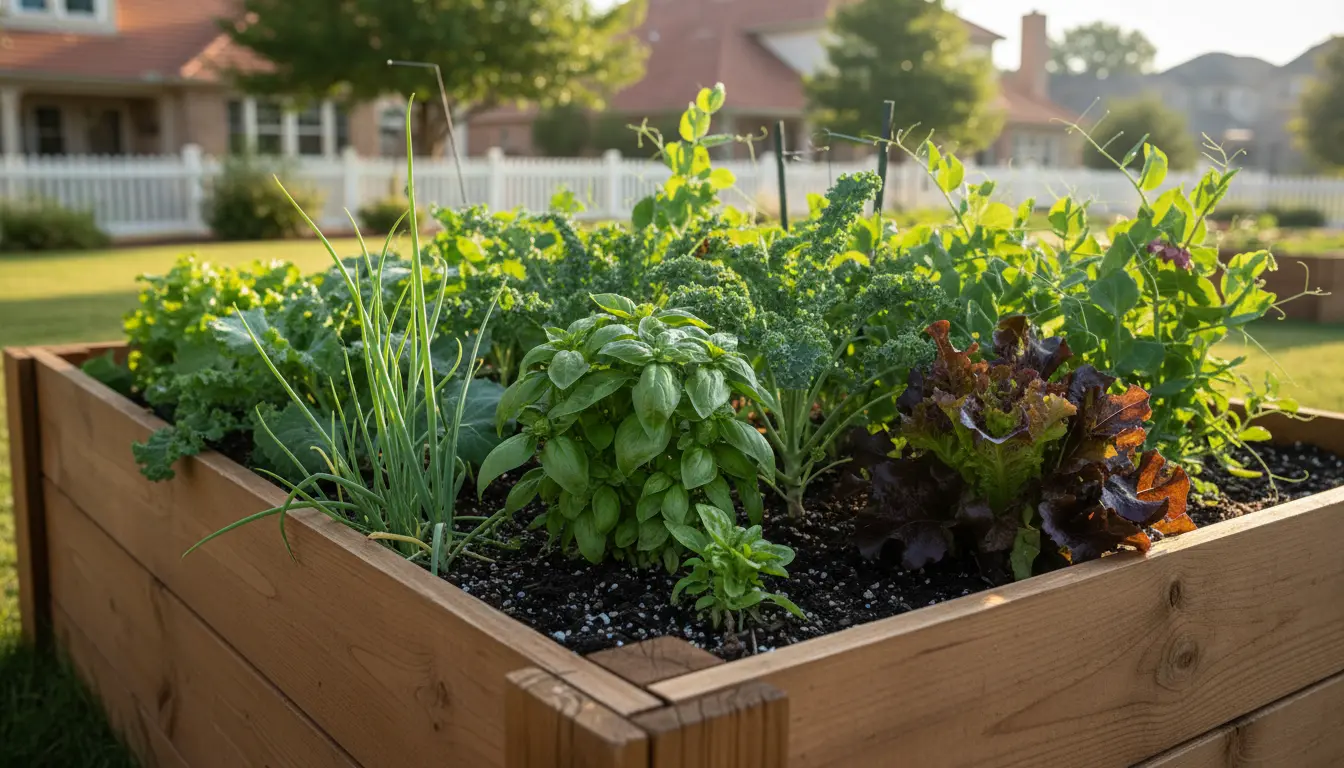
Start a Vegetable Garden: A Practical First Guide
Starting a vegetable garden is achievable with a simple plan and a small amount of effort. This guide focuses on practical steps for beginners to get productive results quickly.
Why start a vegetable garden
Growing your own vegetables saves money, improves food quality, and connects you to the seasons. Even a small space can produce regular harvests.
Start a Vegetable Garden: Choose the Right Site
Site selection is the most important decision for a new garden. Good sunlight, access to water, and level ground will make maintenance easier.
- Pick a spot with at least 6 hours of direct sunlight per day.
- Keep it near a water source to simplify watering.
- Avoid low spots that collect water and shady areas under large trees.
Example: Small urban plots
On a balcony or small yard, use containers or raised beds placed where sun exposure is best. Many vegetables need only a few hours of strong sun to do well.
Start a Vegetable Garden: Prepare Soil and Beds
Healthy soil supports healthy plants. Invest time in improving soil structure and fertility before planting.
Options include in-ground beds, raised beds, and containers. Choose based on space, budget, and soil quality.
- Test your soil pH and texture if possible; many vegetables prefer pH 6.0–7.0.
- Work in organic matter like compost to improve drainage and nutrients.
- For raised beds, use a mix of topsoil and compost to a depth of at least 12 inches.
Soil preparation steps
- Clear grass and weeds from the area.
- Loosen soil with a fork or tiller to break compacted layers.
- Add 2–4 inches of compost and mix well.
- Rake the surface level and water to settle the mix.
Start a Vegetable Garden: Pick Beginner-Friendly Crops
Choose plants that are easy to grow and give quick results. This builds confidence and keeps motivation high.
- Leafy greens: lettuce, spinach, arugula
- Root vegetables: radishes, carrots
- Fast fruiting: cherry tomatoes, bush beans
- Herbs: basil, parsley, chives
Succession planting
Stagger plantings every 2–3 weeks to extend harvests. For example, sow a small lettuce row every two weeks for continuous salads.
Start a Vegetable Garden: Planting and Spacing
Follow seed packet directions or plant label spacing to avoid overcrowding. Crowded plants compete for light, water, and nutrients.
Use small markers to remember varieties and planting dates. Good layout reduces disease and simplifies harvesting.
Watering basics
New seedlings need consistent moisture; water deeply but less frequently as plants mature. Aim for even soil moisture rather than frequent shallow watering.
Many common vegetables, like lettuce and radishes, can be harvested in as little as 25 to 40 days from sowing. Planting successive batches can give you fresh produce all season.
Start a Vegetable Garden: Pest and Disease Control
Preventive practices work best: rotate crops, remove diseased plants, and encourage beneficial insects.
- Use row covers early in the season to protect young plants from insects.
- Handpick larger pests like slugs and caterpillars at dawn or dusk.
- Maintain good air circulation by spacing plants and pruning dense foliage.
Organic options
Use soaps, neem oil, or diatomaceous earth for many common pests. Always follow label instructions and test on a small area first.
Start a Vegetable Garden: Maintenance and Harvest
Regular tasks keep the garden productive: watering, weeding, mulching, and monitoring growth.
Harvest vegetables when they are young and tender for best flavor. Regular picking encourages new growth for many plants.
Simple seasonal checklist
- Weekly: check for pests, water deeply as needed, remove weeds.
- Monthly: top up mulch and add compost around plants.
- After harvest: clean beds and plan the next crop or cover with green manure.
Small Real-World Case Study
Case Study: A two-person household started a 4×8 foot raised bed in spring. They planted tomatoes, lettuce, bush beans, and radishes.
By rotating lettuce and radishes every three weeks and adding compost twice during the season, they harvested enough salad greens for weekly meals and several jars of green beans. Total annual produce covered about 30% of their fresh vegetable needs.
Key results
- Minimal initial cost using reclaimed wood and local compost.
- Time investment: 2-3 hours per week at peak season.
- Outcome: Fresh produce, reduced store trips, and better tasting vegetables.
Start a Vegetable Garden: Final Tips
Start small, learn each season, and adjust based on what works in your microclimate. Keep simple records of planting dates and results to improve next year.
With basic planning and routine care, you can successfully start a vegetable garden and enjoy homegrown food all season long.