
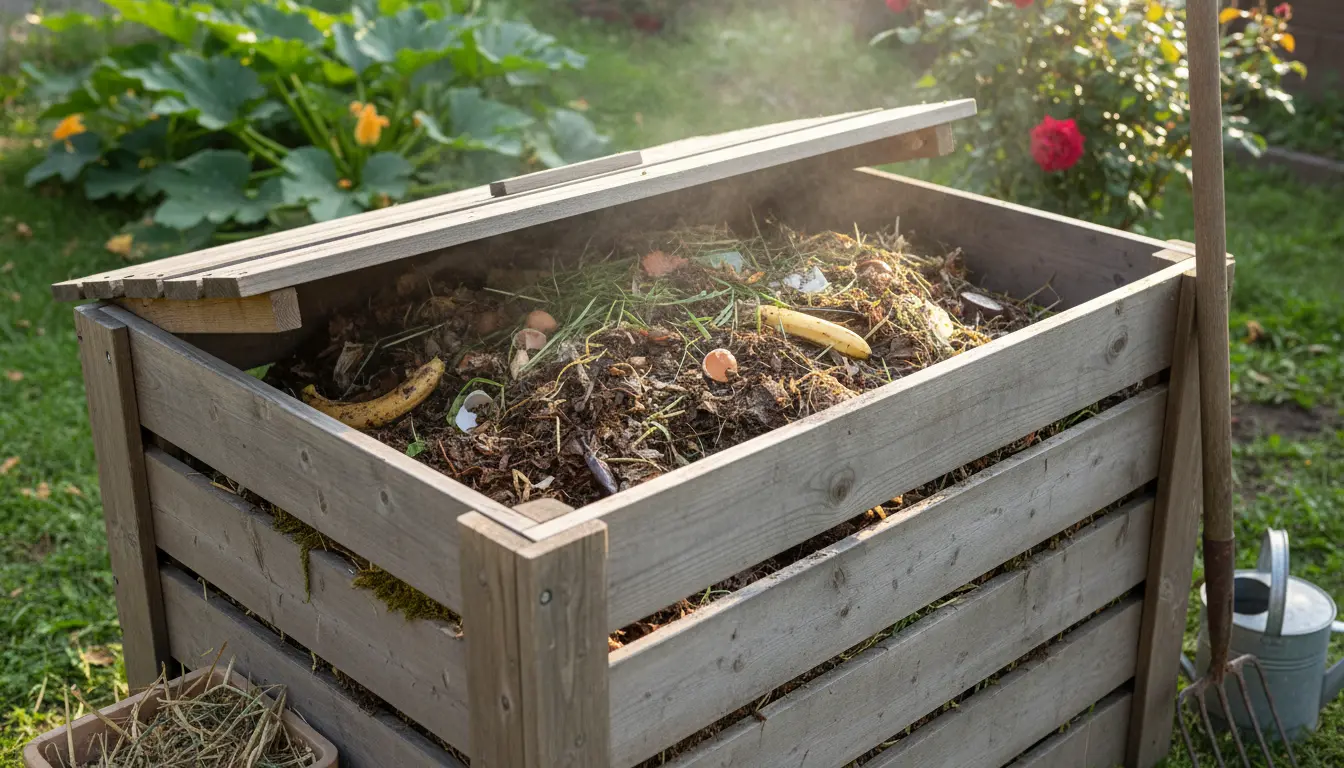
Composting at home turns kitchen and yard waste into rich soil. This practical guide gives clear steps for home composting for beginners, materials to use, and how to avoid common problems.
Why Home Composting for Beginners Works
Composting is a natural decomposition process that converts organic material into nutrient-rich humus. It reduces landfill waste and improves garden soil without chemical fertilizers.
For beginners, success comes from understanding the balance of materials, moisture, air, and time. Start small and build confidence with a simple system.
Choose a Composting Method
There are several easy methods suited to different homes and lifestyles. Pick one that matches available space and the amount of organic waste you generate.
- Bin composting: A closed container in the backyard. Good for small yards and tidy appearance.
- Pile composting: A simple heap in a corner of the yard. Works well if space is not limited.
- Tumbler composting: A rotating drum that speeds up mixing. Cleaner and faster but costs more.
- Vermicomposting: Using worms indoors or in a shaded outdoor bin. Ideal for apartment dwellers with limited outdoor space.
How to Start Home Composting for Beginners
Begin with a manageable spot and a basic bin or pile. Follow a few simple rules to create an active composting system.
- Location: Choose a dry, shaded, and accessible spot near a water source.
- Size: Aim for at least 3x3x3 feet of materials to keep heat in; smaller systems like tumblers still work for small households.
- Layering: Alternate brown (carbon) and green (nitrogen) materials to balance the mix.
Materials to Add
Use a mix of carbon-rich and nitrogen-rich materials for best results. Avoid adding meat, dairy, or diseased plants.
- Greens (nitrogen): Fruit and vegetable scraps, coffee grounds, fresh grass clippings.
- Browns (carbon): Dry leaves, shredded paper, cardboard, straw.
- Optional: Small amounts of garden soil or finished compost to introduce microbes.
Maintaining Your Compost
Maintenance is simple: keep the pile moist, aerated, and balanced. Regular attention accelerates decomposition.
- Water: The mix should be as damp as a wrung-out sponge. Add water if dry, or add browns if too wet.
- Air: Turn the pile every 1–2 weeks to add oxygen and speed breakdown.
- Balance: If the pile smells, add more browns. If it is cold and slow, add greens and turn more often.
Troubleshooting Common Problems
Beginners often face a few predictable issues. Use these fixes to keep your compost healthy.
- Smell of ammonia: Too much nitrogen. Add dry browns and turn the pile.
- Slow decomposition: Pile too dry or too small. Add water and more greens, and consider insulating the pile.
- Pests: Avoid adding meat, bones, or oily foods. Use a closed bin or bury scraps in the center of the pile.
How to Know When Compost Is Ready
Finished compost is dark, crumbly, and earthy-smelling. Most backyard systems produce usable compost in 3–12 months depending on conditions.
Screen or sift compost to remove larger pieces and return them to the pile for further decomposition.
Composting can reduce household waste by up to 30 percent. Even small-scale composting diverts food scraps from landfills and cuts methane emissions.
Using Your Finished Compost
Apply finished compost to garden beds, mix with potting soil, or top-dress lawns. Compost improves soil structure, water retention, and nutrient content.
- Vegetable beds: Mix 1–2 inches of compost into the top 6 inches of soil before planting.
- Container plants: Replace 10–25 percent of potting mix with compost.
- Mulch: Spread a thin layer on the soil surface and top with mulch for a slow nutrient release.
Small Case Study Real World Example
Maria, a homeowner in Portland, started home composting with a 50-gallon tumbler. She collected kitchen scraps and yard waste for six months.
Result: Maria produced about 150 pounds of finished compost in one year. She cut weekly trash volume by one third and used the compost to improve two raised beds, increasing vegetable yields.
This simple, low-cost system showed measurable benefits: less waste, better soil, and lower grocery costs from improved garden production.
Quick Checklist for Home Composting for Beginners
- Choose a bin or method that fits your space.
- Layer greens and browns; aim for a balance.
- Keep compost moist and turn regularly.
- Avoid meat, dairy, and oily foods.
- Be patient: full compost often takes months.
Home composting for beginners is a practical, low-cost way to reduce household waste and enrich garden soil. Start with a simple setup, follow basic balance rules, and adjust based on what you observe. With minimal effort you can turn everyday scraps into a valuable resource for your garden.