
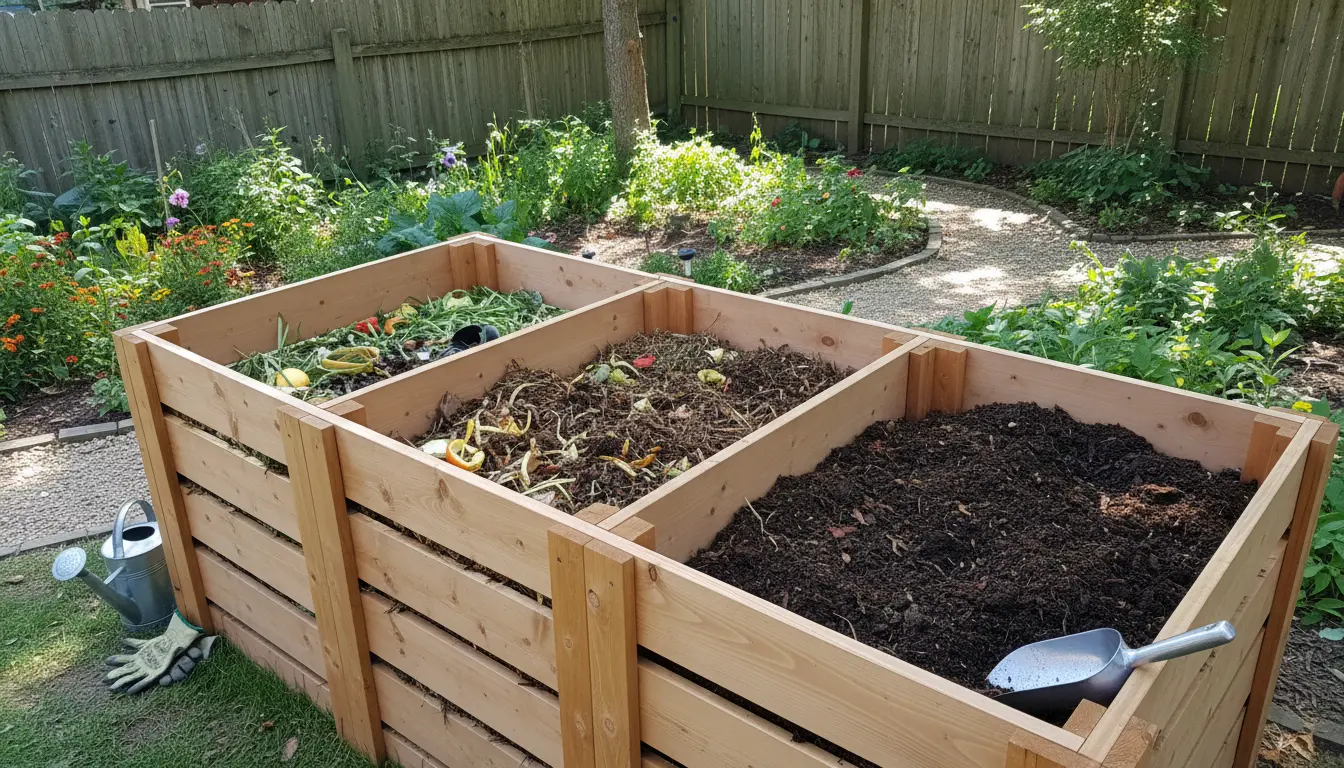
Home Composting Basics
Home composting turns kitchen scraps and yard waste into nutrient-rich soil. It reduces household waste and helps your garden thrive without chemical fertilizers.
This guide explains simple, practical steps for beginners to start composting at home and keep a healthy compost pile.
Why Home Composting Works
Composting is a controlled decomposition process where microbes break organic matter into humus. The right balance of materials, moisture, and air speeds the process and prevents odors.
Keeping a basic routine and monitoring a few simple factors will produce compost in a few months to a year, depending on method and effort.
Key Benefits of Home Composting
- Reduces landfill waste and related methane emissions.
- Provides free, nutrient-rich soil amendment for plants.
- Improves soil structure and water retention in gardens.
- Teaches household members about resource cycles and sustainability.
How to Start Home Composting
Choose a composting method that fits your space and time. Options include a simple heap, a stationary bin, a tumbler, or indoor bokashi for small spaces.
Place your compost container in a convenient, well-drained spot with some shade. This keeps moisture balanced and access easy for daily additions.
Materials: Greens and Browns
Successful compost needs a mix of nitrogen-rich “greens” and carbon-rich “browns.” Aim roughly for a 2:1 ratio by volume (browns:greens) for steady decomposition.
- Greens: kitchen vegetable scraps, coffee grounds, fresh lawn clippings.
- Browns: dry leaves, shredded paper, cardboard, straw.
Avoid meat, dairy, oily foods, and pet waste, which attract pests and slow the process. Chop large items into smaller pieces to speed breakdown.
Maintaining Your Home Compost
Monitor three basic conditions: moisture, oxygen, and particle size. The pile should feel like a damp sponge—moist but not dripping.
Turn the compost every 1–2 weeks to add oxygen and distribute heat. Tumblers make turning easier, while heap or bin systems need a pitchfork or compost aerator.
Simple Troubleshooting for Beginners
- Bad smells: add more browns and turn the pile to introduce air.
- Too dry: add water slowly and some greens to restore moisture.
- Slow decomposition: chop materials smaller and check the greens-to-browns balance.
- Pests: secure the bin, bury food scraps, and avoid meats or oily foods.
Compost can increase soil organic matter by up to 10 percent after repeated annual applications, improving water retention and plant health.
How to Use Finished Compost
Finished compost looks dark, crumbly, and smells earthy. Use it as a top dressing, mix it into garden beds, or blend it into potting mixes for container plants.
Apply a 1–2 inch layer around garden plants in spring or fall, or work compost into the topsoil before planting to boost fertility.
Real-World Example: Small Backyard Case Study
The Parker family started home composting in a 3×3-foot bin behind their house. They collected kitchen scraps, yard trimmings, and shredded newspaper, aiming for a mix of browns and greens.
After six months of weekly turning and occasional moisture checks, they produced about 4 cubic feet of usable compost. They used it to top-dress vegetable beds and reported healthier tomato plants and better soil moisture during hot weeks.
Practical Tips for Beginners
- Start small: a single bin or tumbler is easier to manage than large piles.
- Keep a small countertop container for kitchen scraps to make collection easier.
- Use a mix of materials and chop large pieces to speed decomposition.
- Record observations: color, smell, and temperature help you learn what works.
Final Notes on Home Composting for Beginners
Home composting is a low-cost, practical habit that reduces waste and improves your garden. With simple steps and a little routine, most households can produce useful compost within months.
Start with the method that fits your space, monitor basic conditions, and adjust materials to keep the process healthy and odor-free.