
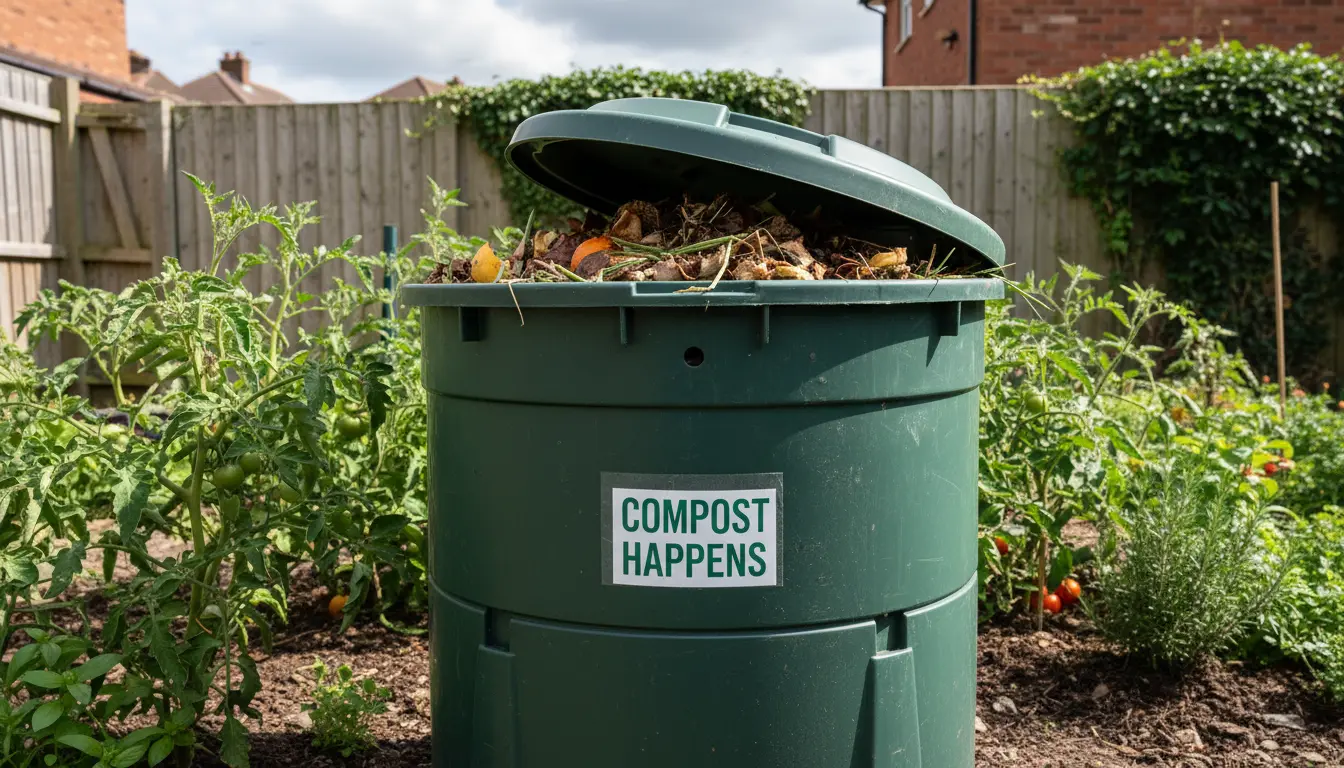
Why choose home composting for beginners
Home composting reduces kitchen and yard waste and creates nutrient-rich soil for plants. It cuts landfill contributions and saves money on fertilizers and trash fees.
For beginners, home composting is low-risk and scalable. You can start with a small bin on a balcony or a larger tumbler in a backyard.
Getting started with home composting for beginners
Start by selecting the right system for your space and lifestyle. The most common options are open piles, stationary bins, and tumblers.
Choosing a bin for home composting
Pick a container that fits your space and effort level. Tumblers are easy to turn, while stationary bins are cheaper and hold more volume.
Key features to look for include ventilation, drainage, and access for removing finished compost.
Location and setup for home composting
Place your bin on soil if possible to allow worms and microbes to enter. If you must use a patio or balcony, place a tray underneath to catch leachate.
Choose a shaded or partly shaded spot to keep moisture steady. Avoid full sun that can dry material quickly.
What to compost and what to avoid
Balance green (nitrogen) and brown (carbon) materials to keep decomposition working. A common ratio is roughly 1 part green to 2–3 parts brown by volume.
- Greens: vegetable peels, fruit scraps, coffee grounds, grass clippings.
- Browns: dry leaves, cardboard torn into small pieces, shredded paper, straw.
- Avoid: meat, dairy, oily foods, diseased plants, pet waste, and glossy paper.
Chop or shred larger items to speed decomposition. Small pieces heat up and break down faster than whole items.
How to manage your home composting pile
Maintain airflow and moisture to keep microbes active. The pile should feel like a damp sponge: moist but not dripping.
- Turn the pile every 1–2 weeks for aerobic composting. Use a pitchfork or rotate the tumbler.
- Add water if the pile is dry, and add browns if it smells sour or is too wet.
- Monitor temperature: active piles warm to 40–60°C (104–140°F) in the center; small home piles may not heat as much and still work fine.
Troubleshooting common problems in home composting
Bad smell: usually from too much green or poor aeration. Add browns and turn the pile.
Slow breakdown: may need more moisture, heat, or smaller particle size. Shred materials and add more greens if dry.
A single household can divert up to 30% of its waste from the trash bin by composting food scraps and yard trimmings.
How long until compost is ready
Compost ready time varies by method and materials. With active management, finished compost can appear in 2–4 months. Passive piles may take 6–12 months.
Finished compost is dark, crumbly, and has an earthy smell. Sift out large chunks and return them to the pile for further breakdown.
Using finished compost from home composting
Apply finished compost to potting mixes, garden beds, or as a mulching top dressing. It improves soil structure, water retention, and nutrient content.
Typical uses include:
- Mixing 10–30% compost into potting soil for containers.
- Top-dressing established beds with a 1–2 inch layer of compost.
- Working compost into vegetable beds before planting in spring.
Small real-world example: Apartment compost case study
Case study: A two-person apartment household in Portland started a 5-gallon bokashi bucket system and a small vermicompost bin under the sink. They collected kitchen scraps in the bokashi and processed the fermented material with worms into finished compost.
Results after 8 months: they reduced weekly trash by about 40% and produced roughly 15 liters of compost usable for balcony vegetables. The system required 10–15 minutes per week to maintain.
Quick checklist for home composting beginners
- Choose a bin that fits your space and effort level.
- Balance greens and browns; chop items small.
- Keep the pile moist and aerated; turn regularly.
- Watch for odors and troubleshoot with browns and turning.
- Harvest when dark and crumbly; use in soil mixes and beds.
Closing tips for lasting success
Start small and adjust as you learn what your household produces. Consistency—adding a little and turning occasionally—yields better results than occasional large additions.
Keep a small kitchen scrap container and empty it frequently to the main bin. Over time you will refine the ratio and techniques that work best for your location and climate.