
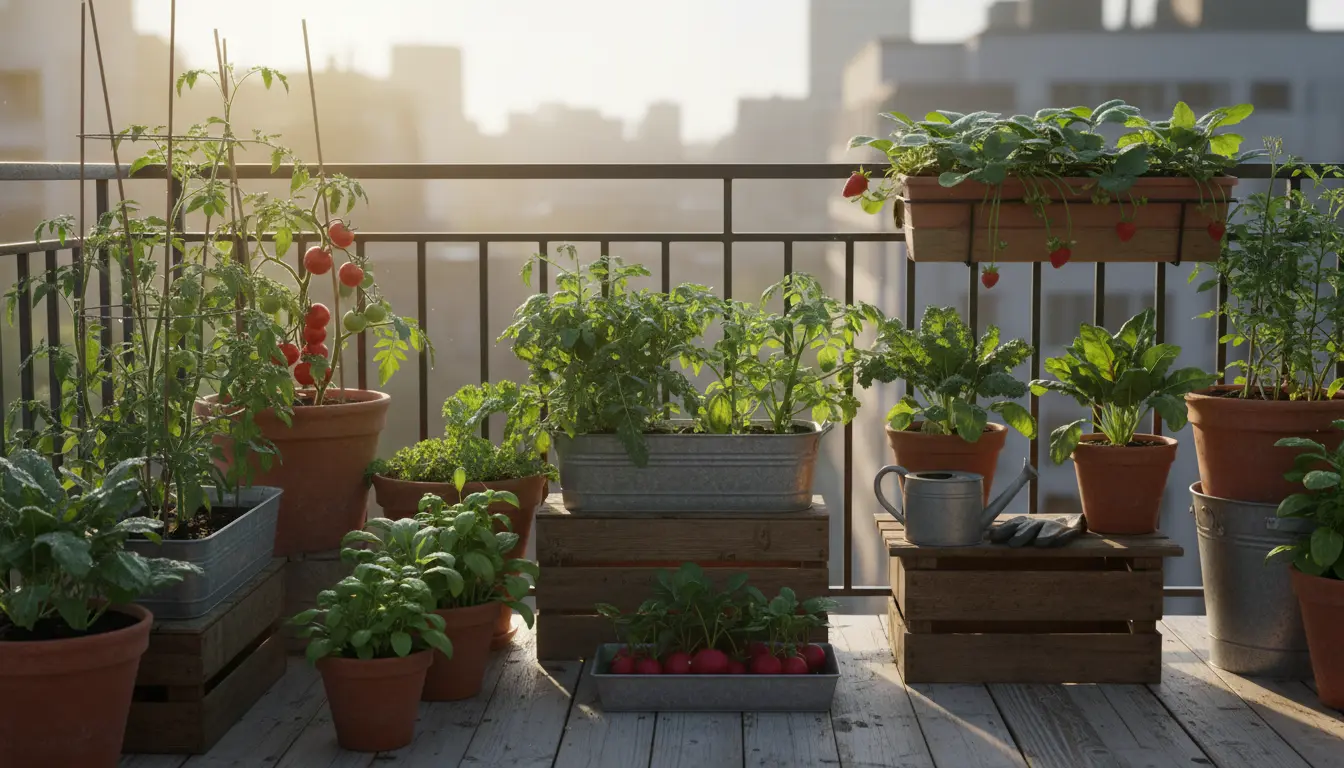
Container gardening lets you grow fresh vegetables in small spaces like balconies, patios, or tiny yards. This practical guide covers the basics you need to start a productive vegetable container garden and keep it thriving through the season.
Why Choose a Vegetable Container Garden
Container gardening is ideal for beginners and urban dwellers. Containers reduce soil-borne disease, allow control over soil quality, and make plant care simple.
Containers are portable and flexible, letting you move plants to follow sunlight or protect them from weather. You can grow many common vegetables even with limited space.
How to Start a Vegetable Container Garden
Starting a vegetable container garden involves five main steps: choose containers, pick the right soil, select vegetables, position for light, and set a watering routine. Follow each step to build a reliable system.
1. Choose Containers for Container Gardening
Select containers with adequate drainage and enough root space for the vegetable. Common options are plastic pots, clay pots, wooden boxes, and grow bags.
- Leafy greens and herbs: 6–10 inch pots.
- Tomatoes and peppers: 12–18 inch pots or larger.
- Root crops like carrots and beets: deep containers, 12+ inches deep.
2. Use the Right Soil and Amendments
Use a high-quality potting mix formulated for containers, not garden soil. Potting mixes drain well and retain moisture without compacting.
Mix in slow-release organic fertilizer or compost at planting time. For vegetables with higher nutrient needs, plan to fertilize every 3–4 weeks with a balanced liquid feed.
3. Select Vegetables for Small Spaces
Choose compact varieties labeled ‘container’, ‘bush’, or ‘compact’. These perform reliably in pots and save space.
- Great choices: lettuce, spinach, kale, radishes, bush beans, cherry tomatoes, peppers, and dwarf cucumbers.
- Avoid: large, sprawling varieties of squash or melons unless you have very large containers and space for vines.
4. Positioning and Light Requirements
Most vegetables need 6–8 hours of direct sunlight per day. Place containers where they receive full sun, such as a south- or west-facing balcony.
If sunlight is limited, prioritize leafy greens and herbs that tolerate partial shade. Consider reflective surfaces or move containers seasonally to maximize light.
5. Watering and Drainage
Containers dry out faster than garden beds, so consistent watering is essential. Water deeply until excess drains from the bottom to encourage healthy roots.
Use these simple tips for reliable watering:
- Check soil moisture daily during hot weather by inserting your finger 1–2 inches into the soil.
- Mulch the top of containers with straw or shredded bark to retain moisture.
- Consider self-watering containers or a drip irrigation line for hands-off convenience.
Pest Control and Maintenance for Container Gardening
Container gardens are easier to manage for pests, but you still need routine checks. Inspect leaves and stems weekly and remove damaged foliage.
Use these safe strategies to manage problems:
- Hand-pick caterpillars and slugs at night.
- Use insecticidal soap or neem oil for aphids and spider mites.
- Rotate crops and refresh soil each season to reduce disease buildup.
Pruning and Support
Taller plants like tomatoes and indeterminate beans need stakes, cages, or trellises to keep them upright. Prune suckers on indeterminate tomatoes to direct energy into fruit production.
Harvesting and Crop Rotation
Harvest vegetables frequently to encourage continuous production. Pick leafy greens when outer leaves reach usable size, and harvest tomatoes when they are fully colored and slightly soft to the touch.
At the end of the season, remove spent plants, clean containers, and add fresh potting mix. Plan simple crop rotation to avoid repeating heavy feeders in the same pot each season.
Small Real-World Example
Case study: A two-person household on a third-floor apartment balcony grew a productive vegetable container garden. They used eight 12-inch pots: three for cherry tomatoes, two for peppers, and three for mixed salad greens and herbs.
They placed the tomatoes on the sunniest side, used compost-amended potting mix, and watered daily during summer. By midsummer they harvested enough tomatoes and salads for weekly meals and saved money on groceries.
Quick Planting Calendar for Container Gardening
- Spring: Start seeds indoors for tomatoes and peppers, direct sow lettuce and radishes.
- Early summer: Transplant seedlings once frost risk passes.
- Late summer: Sow quick crops like spinach and radishes for fall harvest.
Did You Know? A single healthy tomato plant in a 15-inch container can produce 10–20 pounds of fruit in a season with proper care. Container-grown vegetables often mature faster than garden-grown plants due to warmer soil in pots.
Common Mistakes to Avoid in Container Gardening
- Using garden soil in containers, which compacts and drains poorly.
- Choosing containers that are too small for the plant’s root system.
- Overwatering by keeping soil constantly soggy, which leads to root rot.
With the right containers, soil, and routine care, a vegetable container garden is an efficient way to grow fresh produce in tight spaces. Start small, observe how your plants respond, and scale up each season based on what you learn.
Happy gardening and enjoy the fresh flavors from your container harvests.