
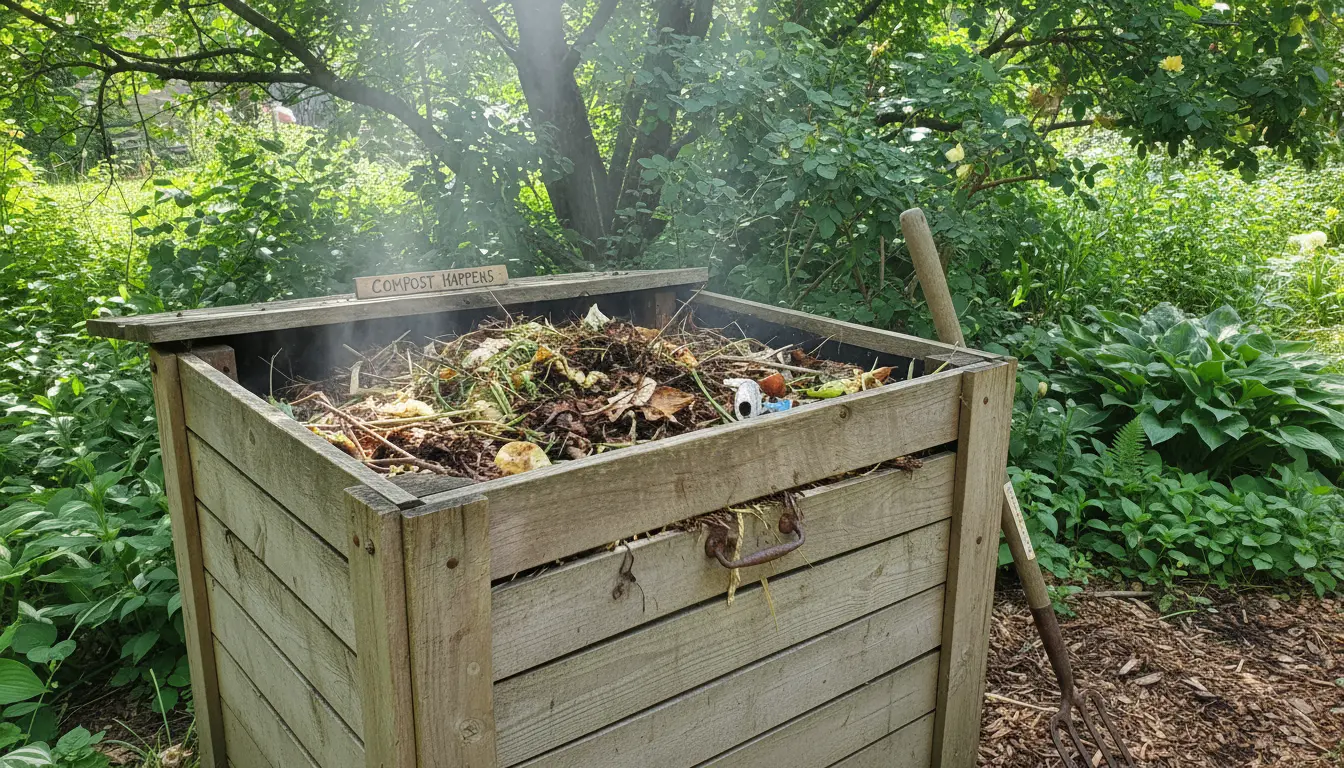
Home composting is a practical way to turn kitchen scraps and yard waste into nutrient-rich soil. This guide explains simple steps for beginners to start and maintain a successful compost system.
What Is Home Composting?
Home composting is the controlled decomposition of organic materials like vegetable scraps, leaves, and grass clippings. Microorganisms break down the material into humus, which improves soil structure and fertility.
Why Choose Home Composting
Composting reduces landfill waste and provides free soil amendment for gardens or potted plants. It also lowers household greenhouse gas emissions by keeping organic waste out of anaerobic landfill conditions.
Getting Started With Home Composting
Choose a compost method that fits your space and lifestyle. Popular options include a simple compost pile, a contained bin, or a tumbling composter for faster mixing.
Essential Materials and Equipment
- Container or bin: plastic or wooden, or a simple open pile.
- Carbon materials (browns): dry leaves, cardboard, straw.
- Nitrogen materials (greens): fruit and vegetable scraps, coffee grounds, fresh grass clippings.
- Water source and a pitchfork or compost aerator for turning.
How to Build Your First Compost Pile
Start with a 12–24 inch layer of coarse browns at the bottom to improve airflow. Add alternating layers of greens and browns, aiming for roughly a 2:1 or 3:1 ratio by volume of browns to greens.
Keep the pile moist like a damp sponge and turn it every 1–2 weeks to introduce oxygen and speed decomposition.
Maintaining Home Composting for Beginners
Regular maintenance helps produce compost efficiently and prevents odors or pests. Follow simple routines and make small adjustments as needed.
Routine Tasks
- Turn the pile: every 1–2 weeks for active compost, less often for slow piles.
- Monitor moisture: add water if dry, add dry browns if soggy.
- Chop larger items: cut branches or thick stems into small pieces to accelerate breakdown.
Temperature and Timing
Active compost piles heat up to 120–160°F (49–71°C) which helps break down material and kill seeds or pathogens. Small backyard systems may be cooler and take 3–12 months to produce finished compost.
Properly managed compost can reach high enough temperatures to destroy most weed seeds and harmful bacteria, making it safe to use in vegetable gardens.
Troubleshooting Home Composting Problems
Common issues are usually easy to fix once you know what to look for. Use these quick checks to diagnose problems.
Bad Odors
Smelly, sour compost is usually too wet or has too much nitrogen-rich greens. Fix it by adding dry browns like shredded paper or dry leaves and turning the pile to increase airflow.
Pests or Rodents
Avoid adding meat, dairy, oily foods, or large amounts of citrus. Use a closed bin or cover fresh food scraps with a layer of browns to keep odors and pests down.
Slow Decomposition
Slow breakdown can result from a pile that is too small, too dry, or lacking nitrogen. Increase size, add greens like grass clippings, chop materials smaller, and keep the pile moist.
How to Use Finished Compost
Finished compost looks dark, crumbly, and earthy-smelling. Use it to enrich garden beds, mix with potting soil, or top-dress lawns and containers.
Application Tips
- Vegetable beds: mix 1–2 inches of compost into the planting area.
- Potting mix: blend 10–30% compost with soil or commercial potting blend.
- Lawn topdressing: spread a thin layer (1/4–1/2 inch) over the turf and water to integrate nutrients.
Small Real-World Example
Case study: Maria, a suburban homeowner, started a 3-bin compost system six months ago. She collected kitchen scraps in a small counter caddy and emptied them into the active bin each day. By balancing greens and browns and turning the pile every 10 days, she produced usable compost in about five months.
Maria now applies a handful of compost to each vegetable transplant, noting improved soil texture and healthier plants. Her weekly landfill waste has decreased significantly, and she saves on store-bought soil amendments.
Practical Tips for Home Composting Success
- Keep a small kitchen bin lined with newspaper to reduce trips and odors.
- Shred or chop materials to speed decomposition.
- Record when you turn your pile so you can track progress and temperatures.
- Use finished compost in stages; if unsure, mix small amounts into garden beds first.
Home composting for beginners is an accessible, low-cost way to reduce waste and improve garden soil. Start small, keep balance and moisture in mind, and adjust based on what your pile tells you. With simple routine care you can produce valuable compost and support healthier soil.