
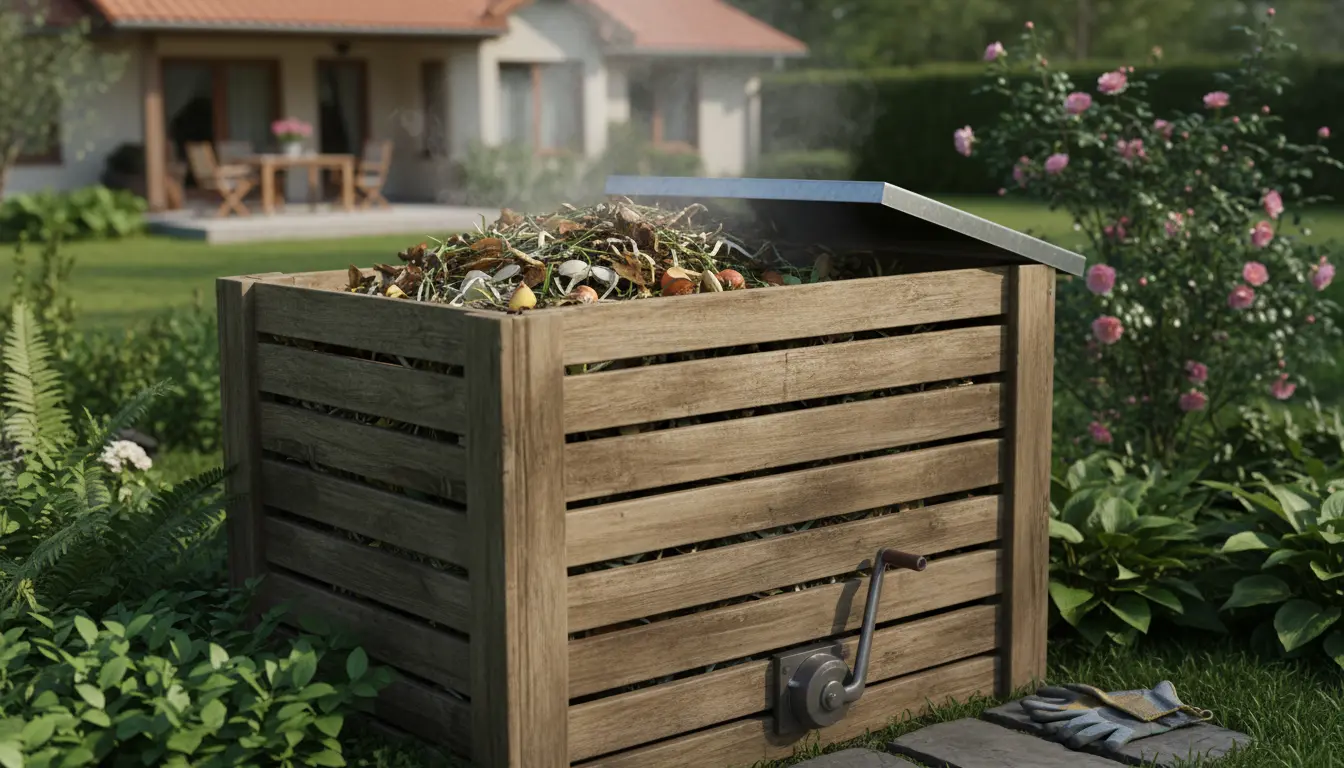
Home Composting Basics
Home composting turns kitchen scraps and yard waste into a useful soil amendment. It reduces landfill waste and improves garden soil structure and fertility.
This guide explains simple, practical steps for beginners to choose a bin, add the right materials, manage moisture and aeration, and troubleshoot common problems.
Why Home Composting Matters
Composting lowers household waste and returns nutrients to soil. It also helps retain moisture and reduce the need for chemical fertilizers.
Many cities offer composting advice but starting at home is cost-effective and accessible for most households.
Choosing a Home Composting Method
Select a method that matches your space, time, and effort. Common home composting options include backyard bins, tumblers, and worm composting.
Backyard Bins
Backyard bins are simple and affordable. They work well if you have a yard and moderate amounts of yard waste.
Benefits: low cost, easy to scale, suitable for leaves and branches.
Tumblers
Tumblers are sealed containers that rotate to mix materials. They speed up decomposition and limit pests but hold less volume.
Benefits: faster results, cleaner, easier to turn.
Worm Composting (Vermicomposting)
Vermicomposting uses red worms to break down kitchen scraps in a bin. It’s ideal for small spaces or apartments.
Benefits: produces nutrient-rich worm castings, compact, good for indoor use.
Materials to Add to a Home Composting Bin
Balance carbon rich materials (browns) with nitrogen rich materials (greens). A good mix avoids odors and speeds decomposition.
- Greens (nitrogen): fruit and vegetable scraps, coffee grounds, fresh grass clippings.
- Browns (carbon): dry leaves, shredded paper, cardboard, straw, wood chips.
- Avoid: meat, dairy, oily foods, diseased plants, and pet waste in typical home bins.
How to Build and Maintain Layers
Start with a layer of coarse browns for airflow. Add alternating layers of greens and browns to keep balance.
Aim for roughly three parts browns to one part greens by volume if possible. Mix or turn the pile every 1–2 weeks in hot systems, or less often in cold piles.
Moisture and Aeration Tips for Home Composting
Compost should feel like a damp sponge—moist but not dripping. Too dry slows breakdown; too wet causes odors.
Turn or aerate to introduce oxygen and prevent anaerobic smells. For tumblers rotate 3–4 times per week; for static bins stir monthly.
Troubleshooting Common Problems
Odor: Usually from too many greens or lack of air. Add browns and turn the pile to aerate.
Pests: Avoid meat and fatty scraps, use a closed bin or tumbler, bury new food in the center under browns.
Slow breakdown: Add water if dry, chop materials finer, and increase nitrogen (greens) if the pile is cold.
Harvesting Finished Compost
Finished compost is dark, crumbly, and smells earthy. Sift or screen before use to remove larger undecomposed pieces.
Use finished compost as a soil amendment, potting mix ingredient, or top dressing for lawns and garden beds.
Small Real World Example
Case Study: A two-person household in a suburban yard started a 3-bin system. They added kitchen scraps and yard trimmings on alternating days, shredded leaves in fall, and turned bins biweekly.
Result: After six months they harvested about 30 liters of compost. They mixed it into vegetable beds and saw improved soil structure and healthier tomato plants the following season.
Home Composting for Beginners Checklist
- Choose a bin type: backyard bin, tumbler, or worm bin.
- Collect greens and browns separately for easy layering.
- Maintain moisture: damp sponge level.
- Turn or aerate regularly depending on system.
- Monitor for pests and odors and adjust mix as needed.
Cost and Time Considerations
Startup cost depends on type: tumblers cost more, DIY bins are cheapest. Worm bins can be compact and affordable.
Time to finished compost varies: 2–6 months in hot, active systems and 6–12 months in passive piles. Vermicomposting can be consistent year-round indoors.
Composting can reduce household waste volume by up to 30 percent and cut methane emissions from landfills when organic matter is diverted.
Final Tips for Successful Home Composting
Keep a small countertop bin for scraps and empty it into the outdoor bin daily. Chop large items to speed decomposition.
Be patient and observe. Adjust the balance of greens and browns, moisture, and aeration until the pile performs consistently.
Home composting for beginners is accessible and rewarding. With a simple system and regular attention you can turn waste into valuable soil that supports healthier plants and a smaller household footprint.