
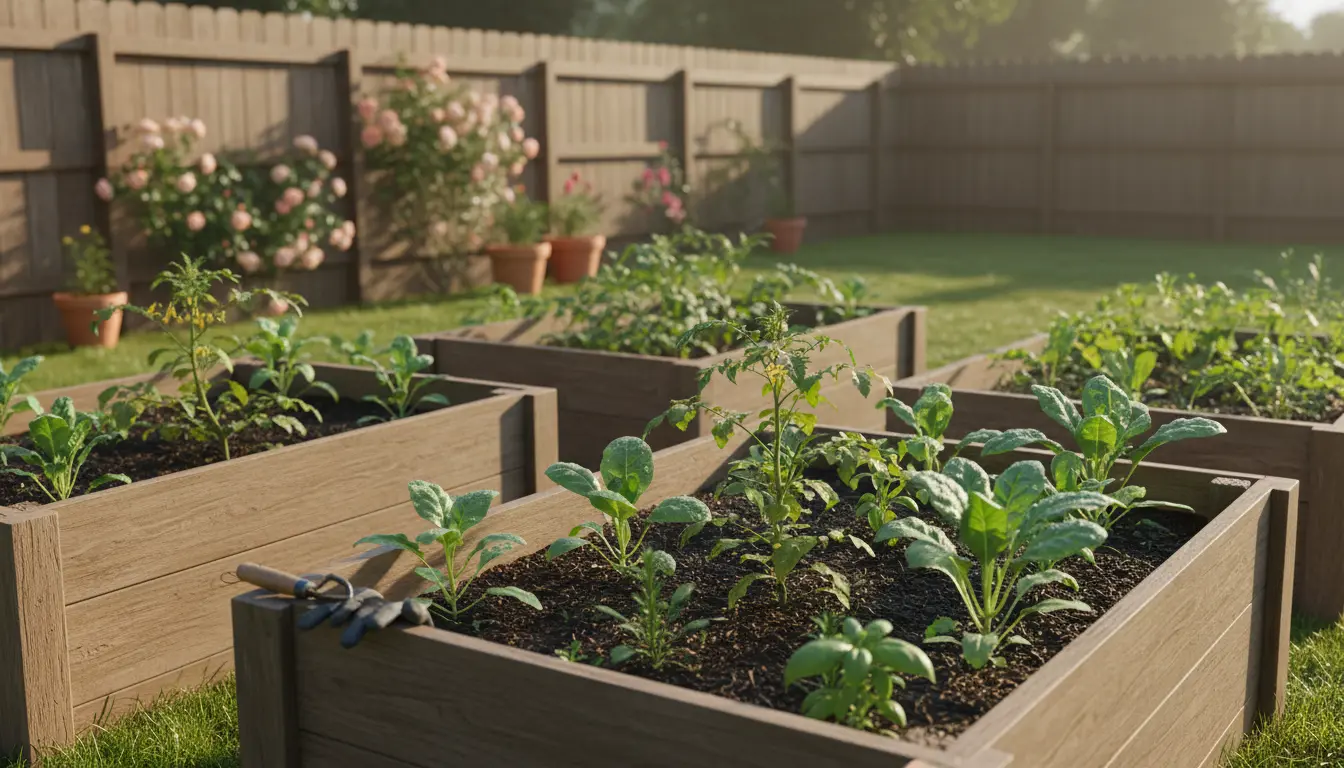
How to Start a Vegetable Garden: Planning Your Garden
Starting a vegetable garden begins with a clear plan. Decide what you want to grow and how much time you can commit each week.
Consider climate, available space, and whether you prefer in-ground beds, raised beds, or containers. Sketch a simple layout to visualize sun exposure and access routes.
Choose Vegetables That Match Your Needs
Pick crops you will actually eat and that suit your climate and season. Fast-growing vegetables like lettuce, radishes, and herbs give early rewards for beginners.
Include a mix of short-term crops and longer-season staples like tomatoes or peppers. This balances harvest timing and keeps the garden productive.
How to Start a Vegetable Garden: Site and Sunlight
Most vegetable crops need at least six hours of direct sun each day. Observe your yard through the day to identify the sunniest spot.
Avoid low areas that hold water and locations shaded by large trees. Access to a water source is essential for regular watering.
Assess Soil and Drainage
Healthy soil is the foundation of a productive garden. Test soil texture and drainage by digging a small hole and filling it with water to see how fast it drains.
If drainage is slow or soil is heavy clay, consider raised beds filled with a good mix of topsoil and compost.
How to Start a Vegetable Garden: Preparing the Soil
Improve soil fertility by adding organic matter like compost or well-rotted manure. Work it into the top 6–12 inches of soil for best root development.
For containers, use a high-quality potting mix rather than garden soil. This ensures proper aeration and nutrient balance for potted plants.
Simple Soil Test and Amendments
Use a basic pH test kit to check acidity. Most vegetables prefer a pH between 6.0 and 7.0. Add lime to raise pH or sulfur to lower it if necessary.
Add compost at a rate of 1–2 inches over the bed and mix it in. Consider a balanced organic fertilizer for nutrient-poor soils.
How to Start a Vegetable Garden: Planting and Spacing
Follow seed packet or plant label spacing recommendations. Crowding leads to poor air circulation and increased disease risk.
Stagger plantings of fast crops like lettuce every two weeks for continuous harvest. Use succession planting to keep the bed productive all season.
Companion Planting Basics
Use companion planting to reduce pests and improve yields. For example, plant basil near tomatoes, and marigolds near many vegetables to deter nematodes and pests.
Avoid placing heavy feeders next to light feeders to prevent nutrient competition. Rotate crop families each year to reduce disease buildup.
How to Start a Vegetable Garden: Watering and Care
Water deeply and less frequently to encourage deep root growth. Early morning watering reduces evaporation and disease risk.
Use drip irrigation or soaker hoses to deliver water to the soil rather than wetting foliage. Mulch around plants to conserve moisture and suppress weeds.
Weeding, Mulching, and Feeding
Keep weeds under control by pulling them when small. Mulch with straw, shredded leaves, or wood chips to reduce weed growth and retain soil moisture.
Feed the garden with side dressings of compost or organic fertilizer during the growing season when plants begin to fruit or bolt.
How to Start a Vegetable Garden: Pest and Disease Management
Inspect plants weekly for pests and symptoms of disease. Early detection makes control easier and reduces spread.
Use mechanical controls first, such as handpicking pests, pruning affected leaves, or using row covers for young plants.
Organic and Practical Treatments
Consider organic sprays like insecticidal soap or neem oil for soft-bodied insects. Apply according to label directions and avoid spraying beneficial insects late in the day.
Remove and destroy heavily infected plants to protect healthy ones. Keep tools clean to prevent transmitting pathogens between beds.
How to Start a Vegetable Garden: Harvesting and Storage
Harvest vegetables at peak ripeness for best flavor and nutrition. Regular harvesting often encourages more production, especially with leafy greens and beans.
Store crops properly: cool greens in the fridge, root vegetables in a cool dry place, and tomatoes at room temperature for best flavor.
Planting flowers like calendula and nasturtium near vegetables can attract beneficial insects that help control pests naturally.
Real-World Example: Small Backyard Garden Case Study
Sarah turned a 10 by 8 foot sunny patch behind her house into three raised beds in spring. She filled the beds with a 60/40 mix of topsoil and compost and planted tomatoes, lettuce, radishes, and bush beans.
She used drip irrigation and mulched paths with wood chips. By mid-summer she harvested weekly salads and canned tomatoes in late summer. The garden repaid her small weekly effort with fresh produce and reduced grocery trips.
Quick Checklist to Start a Vegetable Garden
- Choose a sunny site with good drainage.
- Decide on bed type: in-ground, raised, or containers.
- Improve soil with compost and amend pH if needed.
- Select crops suited to your season and tastes.
- Water deeply, mulch, and monitor for pests weekly.
Starting a vegetable garden is a practical, manageable project. With basic planning, soil preparation, and regular care you can grow reliable food and learn as you go.