
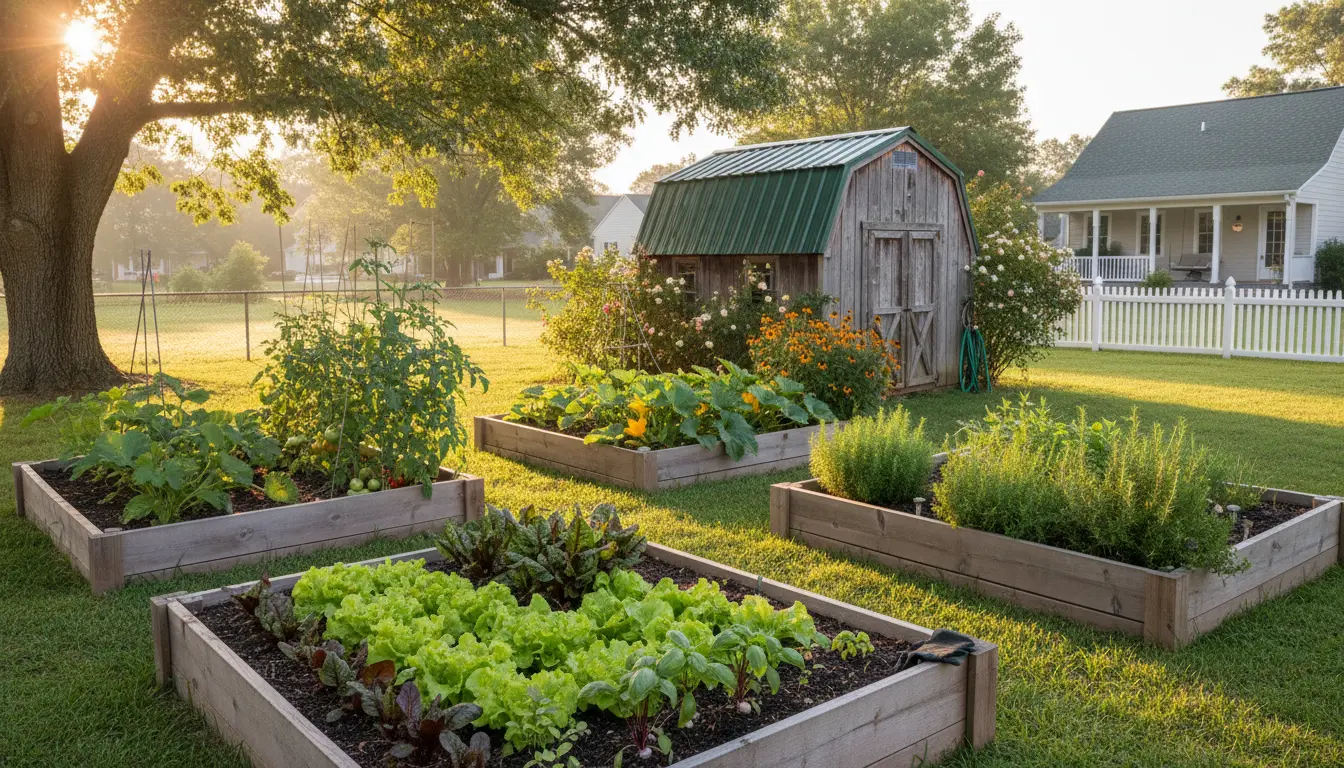
Why Start a Small Vegetable Garden
Growing a small vegetable garden is a practical way to access fresher produce, reduce grocery costs, and enjoy outdoor activity. A compact garden fits balconies, patios, or a small backyard and needs modest time and money to start.
Plan Your Small Vegetable Garden
Good planning reduces wasted time and increases yields. Begin by deciding what you want to grow and how much space you can dedicate to a garden.
Choose the right vegetables
Select vegetables that match your climate, cooking habits, and maintenance time. For beginners, choose fast-growing and forgiving plants like lettuce, radishes, cherry tomatoes, and herbs.
Calculate space and layout
Measure the available area and sketch a simple layout. Raised beds, containers, or a single row all work well for a small vegetable garden.
- Raised bed: Good drainage and soil control.
- Containers: Flexible and mobile for small spaces.
- In-ground row: Best when you have decent soil already.
Pick the Best Location for a Small Vegetable Garden
Sunlight is the most important site factor. Most vegetables need at least six hours of direct sun daily. Observe your space through the day to choose the sunniest spot.
Consider access and water
Place the garden near a water source and where it is easy to reach for regular maintenance. A short walk to a faucet makes watering and harvesting less of a chore.
Prepare Soil for a Small Vegetable Garden
Soil quality determines plant health more than anything else. Aim for loose, fertile soil with good drainage and organic matter.
Steps to improve garden soil
- Test basic soil quality using a simple kit or local extension service.
- Amend with compost to add nutrients and improve structure.
- Use a balanced organic fertilizer if a test shows deficiencies.
Planting Guide for a Small Vegetable Garden
Timing matters. Check frost dates for your area and plant seeds or seedlings when conditions match each crop’s needs. Use spacing guides on seed packets to avoid overcrowding.
Succession planting and companion planting
Succession planting keeps your garden producing across the season by staggering sowing dates. Companion planting can reduce pests and improve yields when you pair compatible plants.
Watering and Feeding a Small Vegetable Garden
Consistent watering fosters strong roots and steady growth. Deep, infrequent watering encourages root depth and drought resilience.
- Water early morning to reduce evaporation and disease risk.
- Use mulch to retain moisture and suppress weeds.
- Feed with compost tea or organic fertilizer according to plant needs.
Pest and Disease Management for a Small Vegetable Garden
Small gardens are easier to monitor, so catch problems early. Use physical barriers, handpicking, and natural predators as the first line of defense.
Low chemical approach
Start with nonchemical methods: row covers, traps, and companion plants. If needed, choose targeted organic treatments and follow label instructions closely.
Harvesting and Extending Production in a Small Vegetable Garden
Harvest regularly to encourage more production, especially for crops like beans, greens, and herbs. Preserve excess with freezing, pickling, or sharing with neighbors.
Small Vegetable Garden Example: A Real-World Case Study
Case study: A homeowner converted a 10 by 4 foot area into a raised bed garden. They planted cherry tomatoes, bush beans, lettuce, and basil. With regular compost additions and twice-weekly deep watering, the bed produced summer salads and several jars of preserved tomatoes.
Results: The garden yielded about 80 percent of vegetables used by the household during peak season. The gardener reduced grocery trips and learned to rotate crops to maintain soil health.
Common Mistakes to Avoid in a Small Vegetable Garden
New gardeners often overplant, water improperly, or ignore soil health. Address these basic issues early to save time and improve results.
- Overcrowding: Follow spacing guidelines to prevent competition and disease.
- Underwatering: Shallow, frequent watering weakens plants.
- Neglecting crop rotation: Replanting the same family increases pest pressure.
Quick Checklist to Start Your Small Vegetable Garden
- Choose location with at least six hours of sun.
- Decide on raised beds, containers, or in-ground layout.
- Test and amend soil with compost.
- Select easy crops for your climate and taste.
- Plan watering schedule and add mulch.
- Monitor pests and harvest regularly.
Final Tips for a Successful Small Vegetable Garden
Start small and expand after your first season. Keep a simple garden journal to track planting dates, varieties, and yields. Learning from direct experience is the fastest path to success.
With planning, basic soil care, and consistent attention, a small vegetable garden delivers fresh food and satisfaction without needing a large yard or lots of time.