
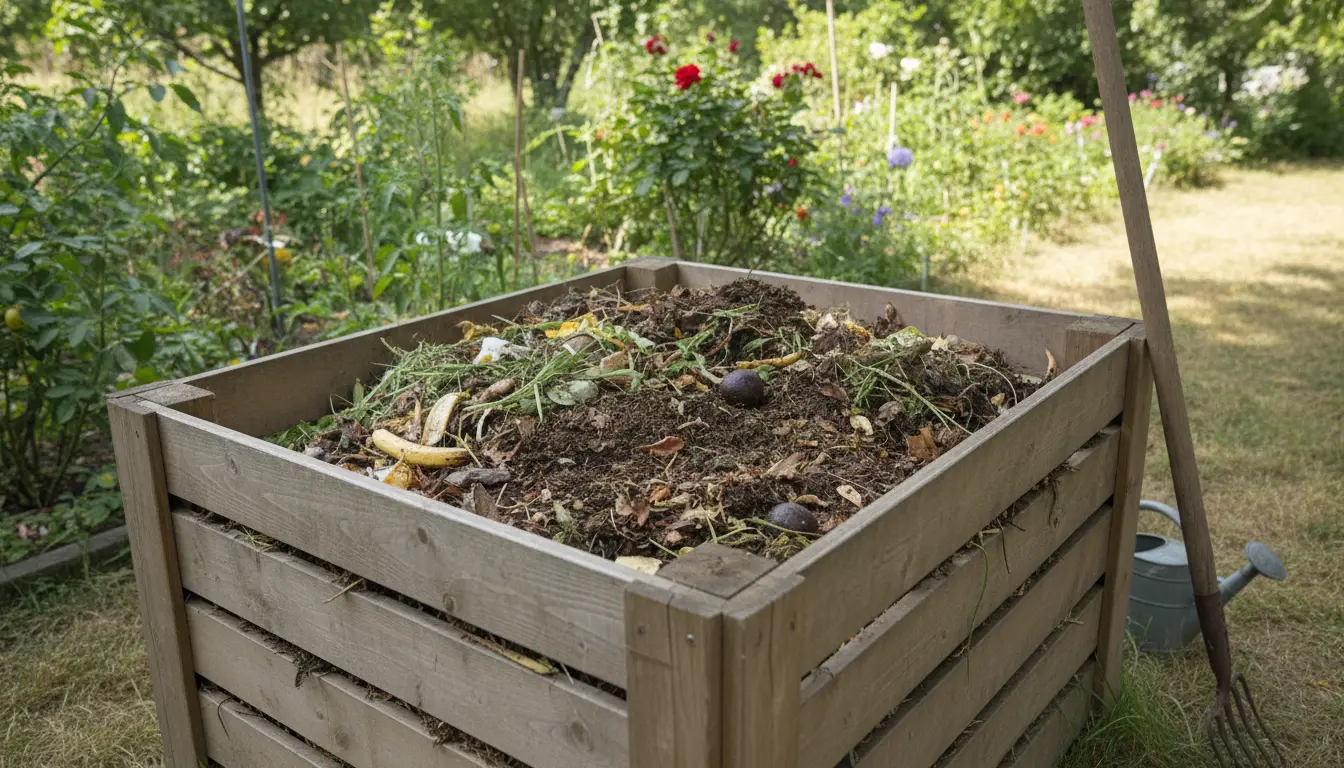
Home composting is a simple way to turn kitchen scraps and yard waste into nutrient-rich soil for plants. This guide gives clear, practical steps to start composting at home, whether you have a backyard or a small balcony.
What is Home Composting?
Home composting is the controlled decomposition of organic matter in a household setting. It reduces landfill waste and produces compost you can use for gardens, potted plants, or lawn top-dressing.
Compost is created when microorganisms break down carbon and nitrogen materials under the right conditions of air, moisture, and temperature.
Food scraps and yard waste make up about 30 percent of household trash by weight. Composting can cut your garbage by a third.
How to Start Home Composting
Starting a compost system at home requires three basic choices: the method, the container, and the materials. Each choice depends on space, time, and how much waste you generate.
Choose a Composting Method
Pick a method that fits your space and commitment level. Popular options include backyard bins, tumblers, pile composting, and worm bins (vermicomposting).
- Backyard bin: Low cost and simple for yard waste and kitchen scraps.
- Tumbler: Faster turning and fewer pests; good for small yards.
- Vermicompost: Ideal for apartments and small amounts of kitchen waste.
- Pile composting: Good for large properties and bulk material.
Choose a Bin or Container
Select a container that matches your chosen method. Size should fit the volume you produce and your available space.
- Plastic or wooden bin for backyard composting.
- Closed tumbler if you want faster decomposition with less effort.
- Plastic tote or commercial worm bin for indoor vermicomposting.
Collect the Right Materials
Compost needs a balance of carbon-rich “browns” and nitrogen-rich “greens.” Aim for a mix close to 25–30 parts carbon to 1 part nitrogen by weight.
- Greens: vegetable scraps, fruit peels, coffee grounds, fresh grass clippings.
- Browns: dried leaves, shredded paper, straw, wood chips.
- Avoid: meat, dairy, oils, diseased plants, and pet waste from carnivores.
Maintaining Your Home Compost
Once your pile or bin is set up, maintenance is mostly about keeping the balance of air, moisture, and particle size right. Regular checks and small adjustments keep the process steady.
Air and Turning
Aeration ensures aerobic microbes do the work and prevents bad odors. Turn the pile every 1–2 weeks with a pitchfork or rotate the tumbler when contents look compacted.
Moisture Levels
Compost should be as damp as a wrung-out sponge. If it’s dry, add water and more greens. If it’s soggy, add browns and increase aeration.
Particle Size and Layering
Smaller pieces break down faster. Chop large scraps or use a blender for coffee grounds and small fruit scraps. Layering greens and browns helps maintain structure and airflow.
Common Problems and Solutions
New composters often face common issues. Most problems are fixable with small changes in balance or care.
- Smell: Usually too wet or too many greens. Fix it by adding browns and turning the pile.
- Pests: Secure or cover food scraps, bury new additions, or use a closed tumbler.
- Slow decomposition: Increase surface area of materials, add nitrogen-rich greens, and keep the pile warm.
- Flys: Avoid meat and dairy; keep a layer of browns on top.
Case Study Small Apartment Worm Bin
Emma lives in a two-bedroom apartment and produces small amounts of kitchen waste daily. She started a worm bin under her sink using a plastic tote and red wiggler worms.
Within three months she produced a steady supply of worm castings for apartment plants and reduced her trash by about two bags per month. Key actions were keeping bedding moist, avoiding citrus overload, and feeding in small amounts.
Quick Tips to Improve Home Composting
- Chop or shred materials to speed decomposition.
- Maintain a good brown-to-green ratio; add a handful of soil to introduce microbes.
- Use a thermometer for larger piles; ideal ranges are 120–160°F for active composting.
- Keep a small countertop container for scraps and empty it into your bin daily.
Home composting is adaptable to most living situations. Start small, observe how your system behaves, and make gradual improvements. Over time you’ll reduce waste and produce valuable compost for your plants.