
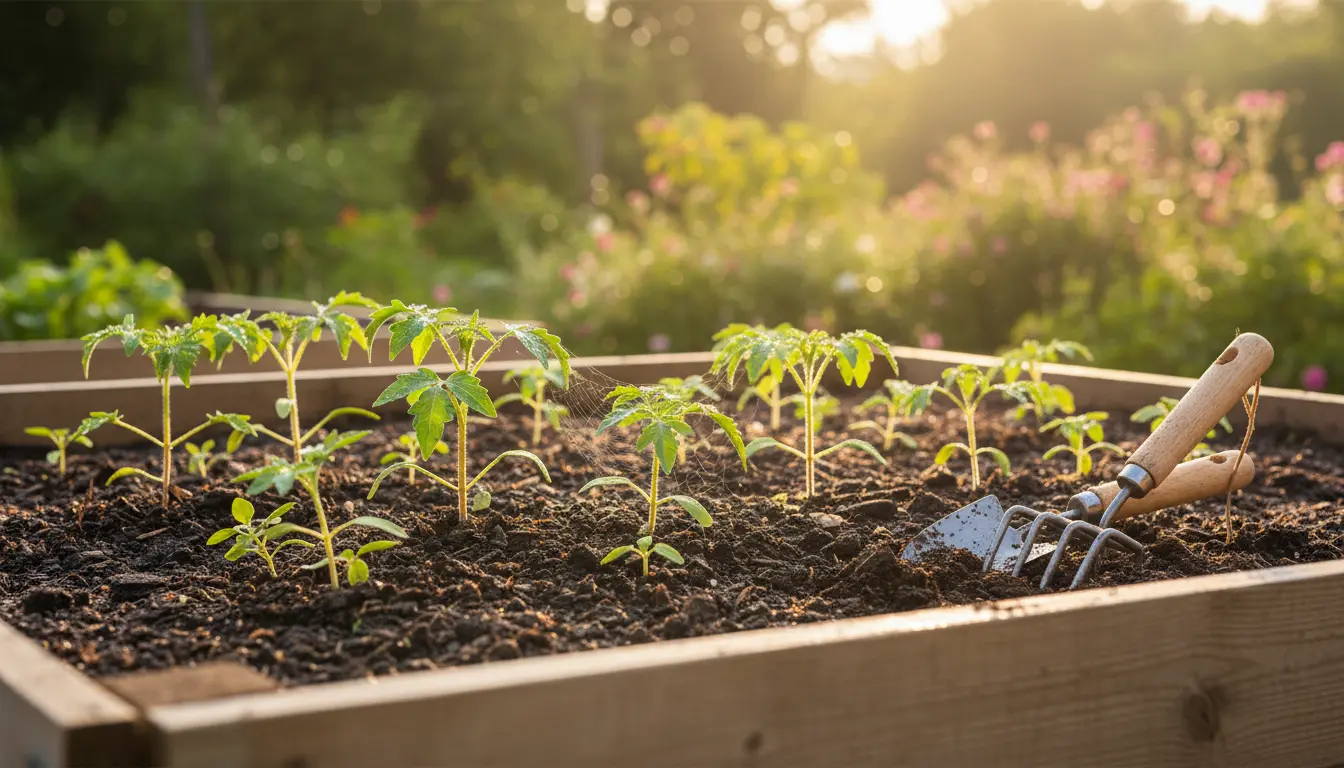
Why Start a Vegetable Garden
Growing your own vegetables saves money and gives you fresher food. It also helps reduce food miles and can improve your well being.
This guide explains how to start a vegetable garden in clear, practical steps you can follow this season.
Plan Before You Start a Vegetable Garden
Good planning reduces wasted effort and increases success. Start with a simple plan that fits your space and schedule.
Decide Garden Type
Choose between in-ground beds, raised beds, containers, or a combination. Each has pros and cons for soil control, drainage, and accessibility.
- In-ground: Best for large yards with good soil.
- Raised beds: Easier soil management and better drainage.
- Containers: Ideal for balconies and patios.
Pick the Right Location for Your Vegetable Garden
Most vegetables need 6–8 hours of direct sun. Watch your chosen spot across the day to confirm light exposure.
Also consider access to water, protection from wind, and proximity to your home for easy care.
Prepare Soil to Start a Vegetable Garden
Soil quality is the foundation of a productive vegetable garden. Test and amend soil before planting to avoid common problems.
Test and Improve Soil
Use a basic soil test kit or send a sample to a local extension service. Aim for a neutral pH (6.0–7.0) for most vegetables.
- Add compost to increase organic matter and nutrients.
- Work in aged manure or balanced slow-release fertilizer if tests show deficiencies.
- Improve drainage with sand or compost in heavy clay soils.
Choose Vegetables to Grow
Select crops based on your climate, season, and how much time you can devote to care. Start with easy, reliable varieties.
Vegetables Good for Beginners
These crops are forgiving and productive for first-time gardeners:
- Leafy greens (lettuce, spinach)
- Radishes and carrots
- Tomatoes and peppers (in warmer climates)
- Green beans and peas
Planting Steps to Start a Vegetable Garden
Follow simple planting rules for good germination and early growth. Timing and depth matter.
When and How to Plant
Check your local last frost date and plant a mix of cool-season and warm-season crops accordingly. Use seed packets as a guide for depth and spacing.
- Sow seeds thinly and thin seedlings later to avoid crowding.
- Transplant seedlings on an overcast day or late afternoon to reduce transplant shock.
Care and Maintenance
Regular care keeps plants healthy and productive. Focus on watering, weeding, and monitoring for pests.
Watering and Mulching
Water deeply at the base of plants early in the day. Aim for consistent moisture rather than frequent shallow watering.
Mulch with straw or wood chips to conserve moisture and suppress weeds.
Pest Management and Fertilizing
Inspect plants weekly. Remove pests by hand or use organic controls like insecticidal soap when needed.
Feed vegetables with a balanced fertilizer at planting and periodically during the season, following label rates.
Harvesting and Extending the Season
Harvest vegetables when they reach recommended size for best flavor and to encourage continued production.
Use row covers, cold frames, or early/late varieties to extend the growing season and get more harvests.
Did You Know?
Tomatoes are actually a fruit, and companion planting with basil can improve tomato flavor and help repel pests.
Small Real-World Example: Balcony Vegetable Garden Case Study
Maria, a city renter, transformed a 6-foot balcony into a productive garden. She used three 12-inch containers and two hanging planters.
By choosing compact tomato varieties, bush beans, and leaf lettuce, she harvested fresh salads all summer. A daily five-minute routine of checking water and removing spent leaves kept the plants healthy.
Her costs were under $150 for pots, soil, and starter plants, and she estimates saving $200 on grocery greens and herbs that season.
Simple Checklist to Start a Vegetable Garden
- Choose garden type: in-ground, raised bed, or containers.
- Select a sunny location with easy water access.
- Test and amend soil with compost.
- Pick beginner-friendly vegetables and check planting dates.
- Plan a watering, mulching, and pest inspection routine.
Final Tips for New Gardeners
Start small and expand as you gain experience. Keep a simple garden journal to track planting dates, varieties, and results.
Be patient. Gardening is a learning process; even experienced gardeners experiment each season.