
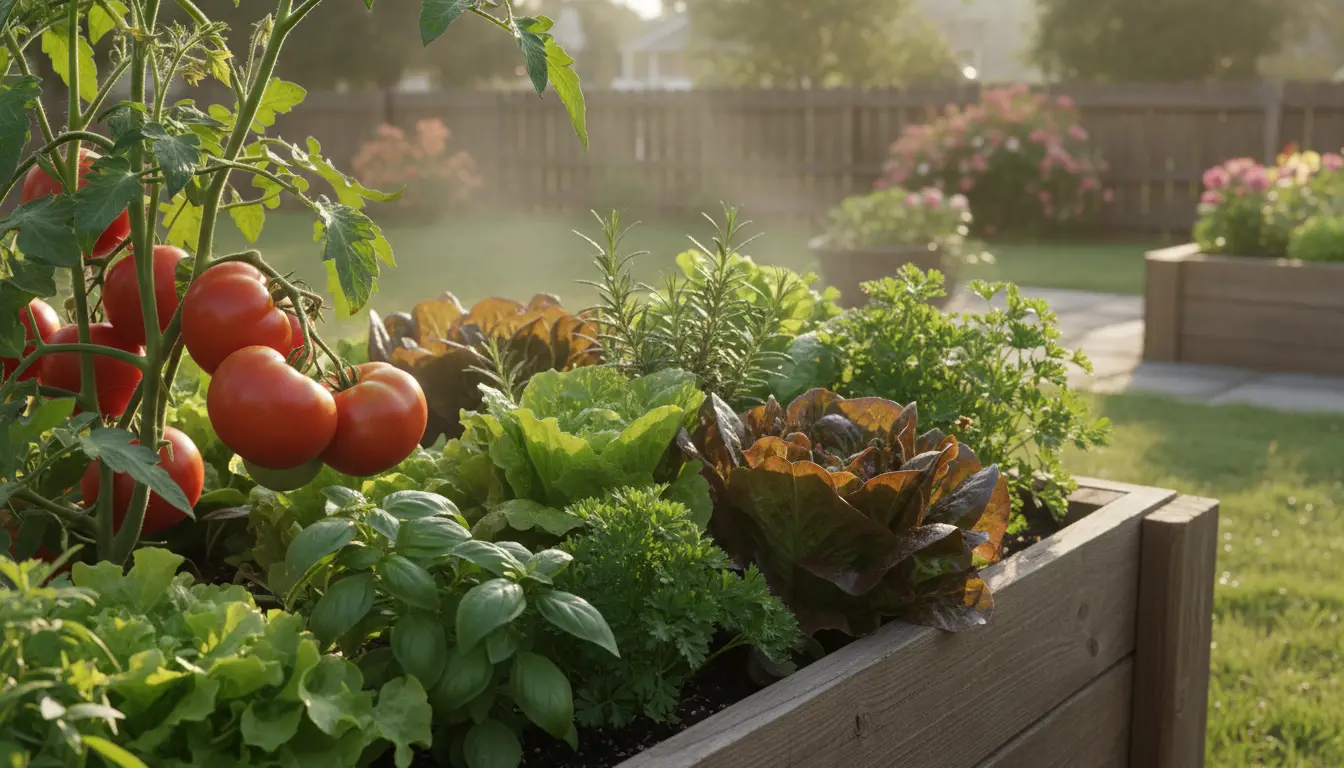
Starting a home vegetable garden is a practical way to save money, eat fresher, and enjoy outdoor activity. This guide gives clear steps you can follow whether you have a yard, balcony, or small patio.
Planning Your Home Vegetable Garden
Planning makes the difference between a garden that thrives and one that struggles. Begin by listing what you want to grow and how you intend to use the harvest.
Consider space, time you can commit, and the season. Small, productive choices reduce waste and increase success.
Set Goals for Your Home Vegetable Garden
- Decide whether you want a continuous harvest or seasonal crops.
- Choose easy vegetables first: lettuce, radishes, tomatoes, and herbs.
- Plan planting dates based on your local frost dates.
Choose a Location for Your Home Vegetable Garden
Most vegetables need at least 6 hours of sunlight daily. Observe sun patterns for a few days to find the best spot.
If you lack ground space, use containers or raised beds. These keep soil warmer and improve drainage.
Factors to Check
- Sun exposure: full sun vs part shade.
- Water access: keep a hose or watering can nearby.
- Wind protection: use fences or hedges if your area is windy.
Prepare Soil for a Successful Home Vegetable Garden
Good soil is the foundation of a productive garden. Test soil texture and pH, and amend as needed for vegetables.
Work in organic matter like compost to improve structure and fertility. For containers, choose a high-quality potting mix.
Soil Preparation Steps
- Remove weeds and debris from the area.
- Loosen soil to at least 8 inches for most veggies.
- Mix in 2 to 3 inches of compost and a balanced organic fertilizer if necessary.
- Level the bed and water to settle the soil before planting.
Choose Plants and Planting Methods
Select varieties suited to your climate and space. Seed-starting indoors can extend your season for tomatoes and peppers.
Use succession planting to maximize yields. Stagger sowings every 2–3 weeks for crops like lettuce.
Planting Tips for a Home Vegetable Garden
- Follow spacing recommendations on seed packets or plant tags.
- Group plants with similar water needs together.
- Support vining crops (beans, cucumbers) with trellises to save space.
Watering and Maintenance
Consistent watering is more important than frequent shallow watering. Aim for deep, less frequent watering to encourage strong roots.
Mulch around plants to conserve moisture and reduce weeds. Hand-weed regularly to keep competition low.
Pest and Disease Management
- Inspect plants weekly for early signs of pests or disease.
- Use physical barriers, row covers, or hand-picking for common pests.
- Practice crop rotation and remove infected plants to prevent spread.
Harvesting from Your Home Vegetable Garden
Harvest at peak maturity for the best flavor and continuous production. Pick frequently to encourage more fruiting in many plants.
Harvest leafy greens before they bolt and pick tomatoes when they reach full color and slight softness.
Planting marigolds near vegetables can help reduce certain soil nematodes and attract beneficial pollinators to your garden.
Small Case Study: A Practical Home Vegetable Garden
Jane, a city resident with a 10×4 foot raised bed, planted tomatoes, basil, spinach, and bush beans in spring. She prioritized full-sun placement and added compost before planting.
By using succession planting and staking tomatoes, Jane harvested salad greens every week and 24 pounds of tomatoes over the season. Her inputs were low: compost, an organic fertilizer application in mid-season, and weekly deep watering.
Common Mistakes and Quick Fixes
- Overwatering: Allow soil to dry slightly between waterings and check drainage.
- Too much fertilizer: Follow package rates; excess nitrogen reduces fruiting.
- Ignoring pests: Regular inspection and early action prevent heavy infestations.
Essential Tools for a Home Vegetable Garden
- Hand trowel and fork for planting and soil work.
- Watering can or hose with a gentle nozzle.
- Pruning shears for harvest and maintenance.
- Mulch materials and compost for ongoing soil health.
Final Tips for a Thriving Home Vegetable Garden
Start small and expand after your first season. Track what worked and what didn’t in a simple garden journal.
Enjoy the process; even modest gardens deliver big rewards in fresh flavor and personal satisfaction.