
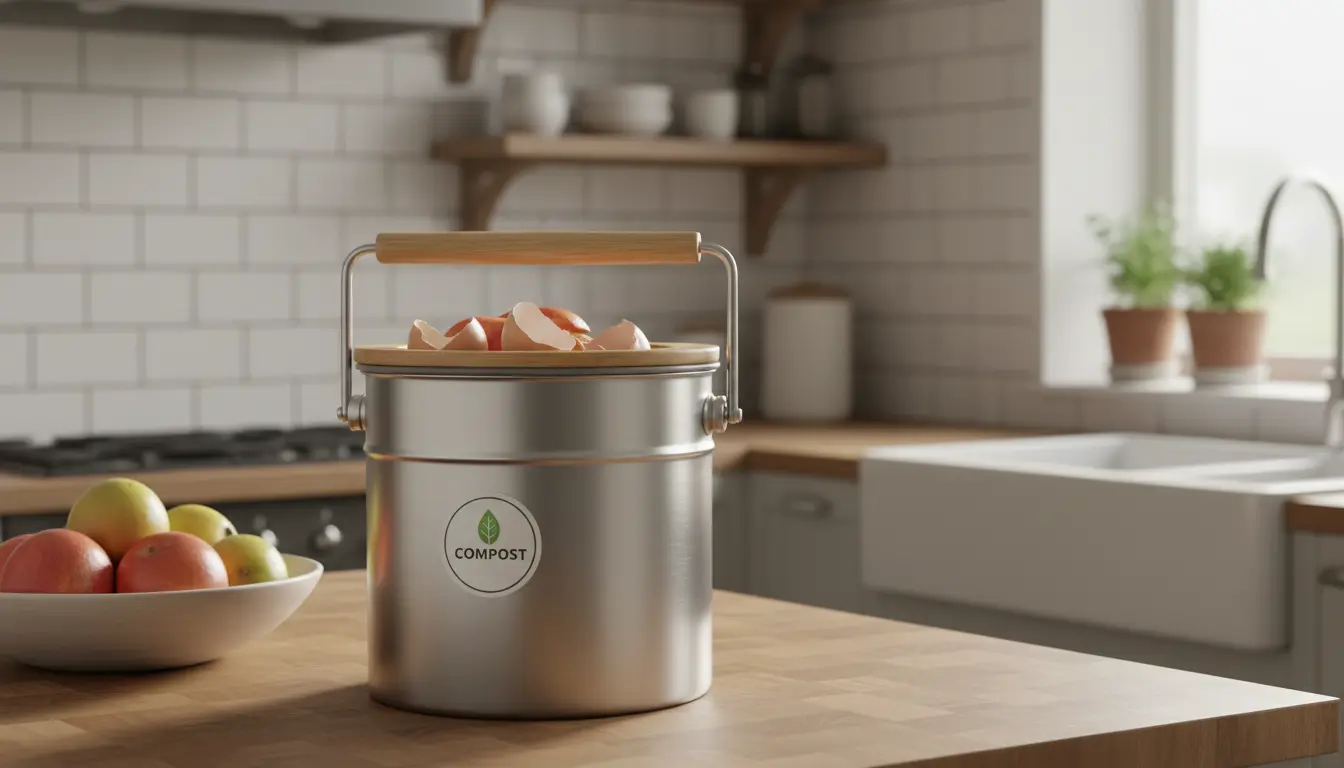
Home composting turns kitchen scraps and yard waste into useful soil amendment. This guide explains practical steps you can follow to start composting at home, whether you have a backyard or a small apartment.
Why Home Composting Matters
Composting reduces household waste and creates nutrient-rich material for plants. It also lowers methane emissions from landfills and improves soil health.
How Home Composting Works
Composting is a biological process where microbes break down organic matter. You create the right environment by balancing materials, moisture, and air.
Key Elements for Home Composting
- Carbon-rich materials (browns): dry leaves, paper, straw.
- Nitrogen-rich materials (greens): vegetable scraps, coffee grounds, fresh grass clippings.
- Air: oxygen supports aerobic decomposition.
- Moisture: similar to a wrung-out sponge—too wet slows composting, too dry stops it.
Choosing a Home Composting Method
Select a method that fits your space and needs. Each method has simple setup steps and maintenance routines.
Backyard Bin or Pile
Best for homes with yards. Use a commercial bin or build a three-sided wooden enclosure. Place it on soil to allow worms and microbes in.
Composting in Small Spaces
Apartment dwellers can use a countertop bokashi bucket or a small tumbling composter on a balcony. Bokashi ferments waste quickly and is odor-controlled.
Step-by-Step: Start Home Composting
Follow these simple steps to begin composting at home. They keep the process easy and predictable for beginners.
- Pick a container or location: choose a bin, tumbler, or spot for a pile.
- Layer materials: start with coarse browns for drainage, then add greens and more browns.
- Maintain moisture: add water if dry, cover if too wet.
- Turn periodically: aerobically break down the pile by mixing every 1–2 weeks.
- Harvest finished compost: dark, crumbly, and earthy-smelling material is ready to use.
Practical Tips for Beginners
- Chop scraps into smaller pieces to speed decomposition.
- Keep a small sealed kitchen caddy for food scraps to avoid odors.
- Aim for a rough carbon-to-nitrogen balance of 25–30:1, but don’t worry about exact ratios—visual checks work.
- Use finished compost as a top dressing or mix into potting soil.
Households can divert up to 30% of their waste stream to composting. Proper composting also reduces the need for chemical fertilizers.
What to Compost and What to Avoid
Knowing what to include and what to leave out prevents pests and odors. This section lists common acceptable materials and items to avoid.
Materials to Include
- Vegetable and fruit scraps, coffee grounds, tea bags.
- Eggshells (crushed), grass clippings, shredded paper.
- Yard trimmings like leaves and small branches.
Materials to Avoid
- Meat, dairy, and oily foods (attract pests and cause odors).
- Diseased plants, invasive weeds with seeds, treated wood.
- Coal ash or chemically treated materials.
Troubleshooting Common Problems
Common issues are usually simple to fix. Identifying the symptom guides the solution.
- Bad smell: add more browns and turn the pile to increase aeration.
- Slow decomposition: chop materials smaller and ensure moisture is adequate.
- Fruit flies: keep the bin covered and bury fresh scraps or use a bokashi bucket.
Small Real-World Example
Case study: A two-person apartment used a 5-liter countertop caddy and a 20-liter bokashi bucket. They collected all vegetable scraps for 12 months.
Results: They diverted about 1.2–1.6 kg of food waste per week, filled the bokashi bucket in 6 weeks, fermented the batch for 2 weeks, and then buried the pre-compost in a community garden bed. After three months, they harvested roughly 15 liters of humus-rich material to amend pots and garden beds.
Using Finished Compost
Apply finished compost as a top dressing, mix into potting soil, or use in garden beds. It improves water retention and delivers nutrients slowly.
Application Ideas
- Mix 10–30% compost into potting mixes for container plants.
- Top dress vegetable beds with a 1–2 inch layer each spring.
- Blend with mulch to gradually feed trees and shrubs.
Final Checklist to Start Home Composting
- Choose a bin or method that fits your space.
- Collect scraps and keep a simple kitchen container.
- Balance greens and browns, keep moisture correct, and turn occasionally.
- Harvest and use finished compost to close the loop.
With minimal effort, home composting becomes a routine that reduces waste and improves plant health. Start small and adjust as you learn what works best in your home.