
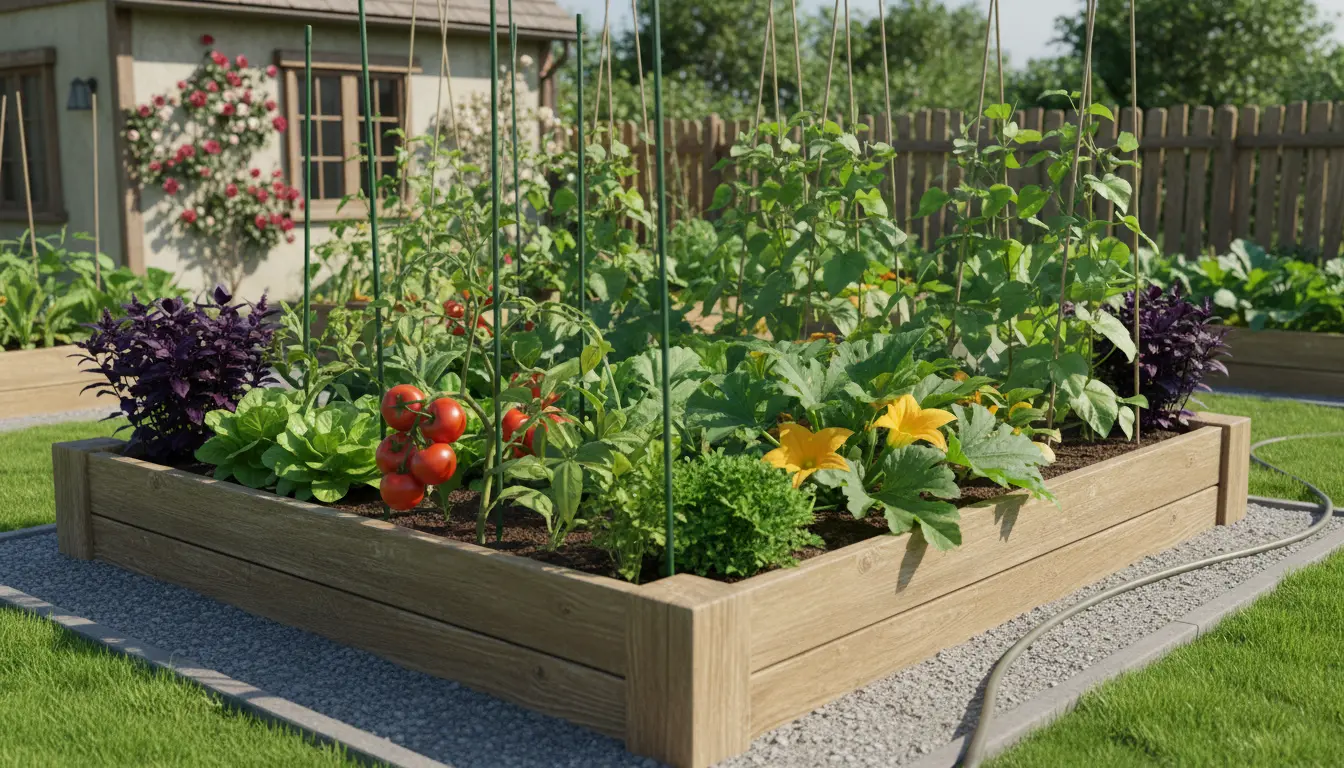
Beginner Steps to Start a Vegetable Garden
Starting a vegetable garden is a straightforward process when you break it into clear steps. This guide focuses on practical, instructional advice so you can begin with confidence.
How to Start a Vegetable Garden: Planning
Good planning prevents common mistakes. Choose your goals first: fresh herbs and salad greens, a family supply of staples, or a seasonal trial plot.
Consider the space, sunlight, time you can commit, and budget. Make a simple sketch of the area and list preferred vegetables.
Choosing Site and Soil for Your Vegetable Garden
Pick a site that gets at least 6 hours of direct sunlight for most vegetables. Avoid low spots that collect cold air or water, and stay near a water source for easier irrigation.
Test the soil by feeling it and noting drainage. A quick soil test kit can confirm pH and nutrient levels before you plant.
Soil Preparation When You Start a Vegetable Garden
Vegetables perform best in loose, well-drained soil rich in organic matter. Amend heavy clay or sandy soils with compost to improve texture and nutrient content.
Work the soil to a depth of 8 to 12 inches and remove large stones and roots. Rake to level and create raised beds if drainage is poor.
Selecting Vegetables and Layout
Choose vegetables suited to your climate, season, and skill level. Fast-growing crops like lettuce, radishes, and spinach deliver quick success for beginners.
Plan the layout by grouping plants with similar water and sun needs. Use companion planting principles to maximize space and deter pests.
Seed vs. Transplants
Decide whether to start from seed or buy transplants. Seeds are economical and offer more variety, while transplants give a head start on the season.
Follow package instructions for spacing and depth. Mark rows or use a grid to keep plant spacing consistent and reduce thinning later.
Watering, Fertilizing, and Care
Consistent watering is critical when you start a vegetable garden. Most vegetables need about 1 inch of water per week; increase during hot weather.
Water at the base of plants to reduce leaf disease. Drip irrigation or soaker hoses are efficient options for small to medium gardens.
Fertilizing and Feeding
Apply a balanced fertilizer or side-dress with compost mid-season. Avoid over-fertilizing, which can produce lush foliage with poor fruit set.
Monitor plants for signs of nutrient deficiency such as yellowing leaves or stunted growth, and adjust care accordingly.
Pest and Disease Management for New Vegetable Gardens
Use preventive measures first: crop rotation, clean tools, and healthy soil. Inspect plants weekly to catch problems early.
For pests, try physical barriers, hand-picking, or organic sprays when necessary. For diseases, remove affected leaves and improve air circulation.
Maintenance and Harvesting
Regular maintenance includes weeding, mulching, and staking tall plants. Mulch conserves moisture, suppresses weeds, and stabilizes soil temperature.
Harvest frequently to encourage production. Many vegetables taste best when picked young—learn the ideal harvest time for each crop.
Leafy greens like lettuce and spinach can be harvested as microgreens in as little as 10–14 days from planting, giving early returns on small spaces.
Simple Example Case Study
Case study: A suburban gardener set up a 4×8 raised bed in a sunny backyard and followed these steps. They filled the bed with a mix of topsoil and compost, planted tomatoes, basil, lettuce, and bush beans, and used drip irrigation.
In the first season they harvested continuous lettuce and basil, three tomato plants produced abundant fruit, and the beans provided a late-summer crop. The initial investment in compost and a drip system paid off in yield and reduced watering time.
Practical Checklist to Start a Vegetable Garden
- Pick a sunny site near water.
- Test and amend soil; add compost.
- Choose easy first crops (lettuce, radish, beans, tomatoes).
- Decide seed or transplant and plan spacing.
- Set up watering (drip or soaker hose recommended).
- Mulch, monitor pests, and harvest regularly.
Final Tips for Success
Start small to avoid overwhelm and expand as you gain experience. Keep a simple garden journal to track planting dates, varieties, and problems encountered.
Learning by doing is the fastest route. With consistent care and small adjustments, your vegetable garden will provide fresh produce and valuable gardening skills.