
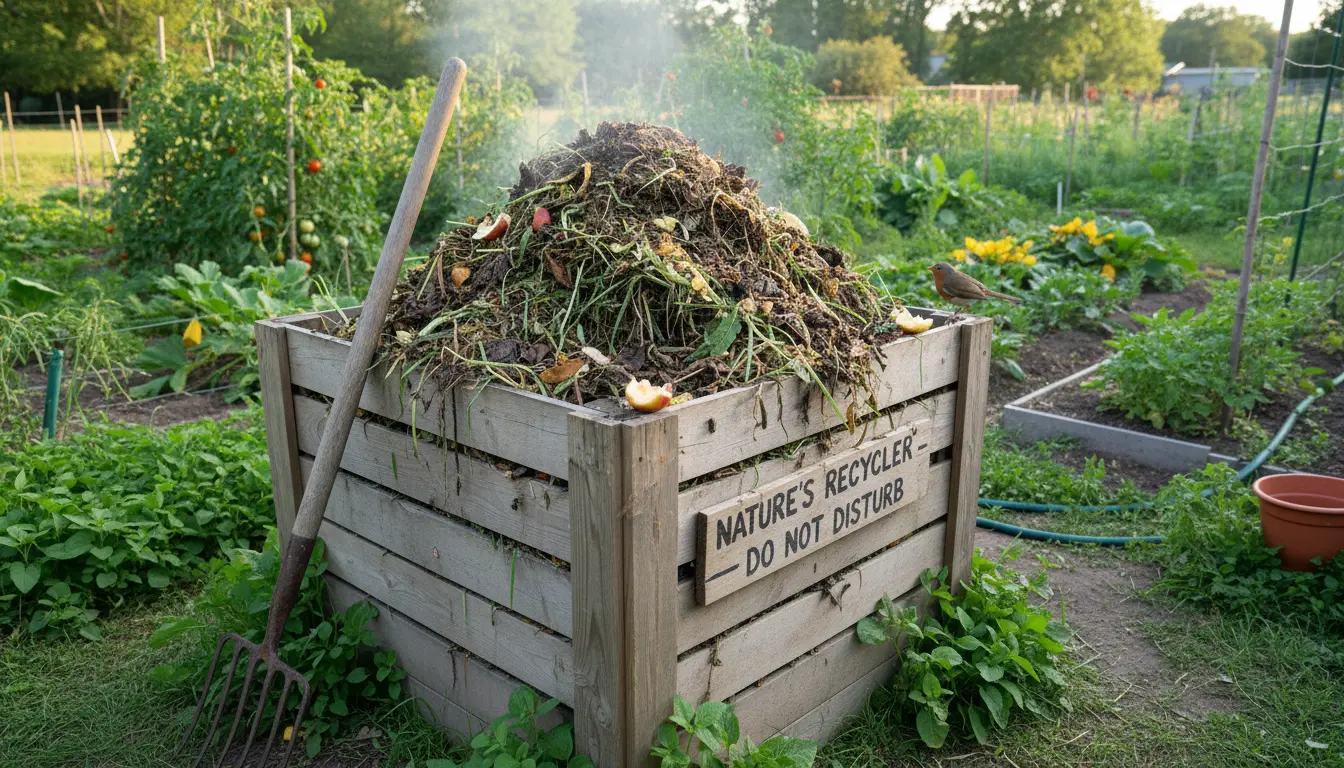
Composting turns kitchen scraps and yard waste into nutrient-rich soil. This guide explains home composting for beginners with clear steps, simple methods, and everyday maintenance tips.
Why Home Composting Matters
Home composting reduces household waste, lowers landfill use, and improves garden soil. Even a small compost bin can cut food waste significantly and feed plants with organic nutrients.
For beginners, composting is a low-cost way to support healthier soil and reduce your environmental footprint without complex tools.
How to Start Home Composting for Beginners
Starting is easier than many think. Choose a method, collect materials, and keep the pile balanced. Follow these steps to begin:
1. Choose a Composting Method
Pick a system that fits your space and schedule. Common options include:
- Open pile: Simple for yards with space, needs turning and monitoring.
- Compost bin: Denser pile, neater appearance, available in many sizes.
- Tumbler: Fast turning with minimal effort; good for small yards.
- Vermicomposting: Uses worms indoors or in a shaded spot, ideal for apartments.
Choose one based on available area, the amount of waste you produce, and how much effort you want to put in.
2. Gather the Right Materials
Compost requires a mix of carbon (brown) and nitrogen (green) materials. Aim for roughly a 3:1 ratio of browns to greens by volume.
- Greens (nitrogen): Fruit and vegetable scraps, coffee grounds, fresh grass clippings.
- Browns (carbon): Dry leaves, cardboard, shredded paper, straw.
Chop or shred larger items to speed decomposition. Avoid meat, dairy, oily foods, and pet waste in small-scale home systems.
3. Location and Setup
Place a compost bin in a well-drained, partly shaded spot. If using a bin, set it on soil to let beneficial organisms access it. For tumblers, ensure easy access for turning.
Start with a base layer of coarse browns to promote airflow and drainage.
Maintaining Your Compost Bin
Maintenance for home composting for beginners focuses on balance, moisture, and aeration. Follow a simple routine to keep the system healthy.
Air and Turning
Oxygen is essential. Turn the pile every 1–2 weeks for open piles and bins. Tumblers often need turning several times a week. Turning mixes materials and prevents odors.
Moisture Control
Compost should feel like a wrung-out sponge. Add water if the pile is dry, or add more browns and turn if it becomes soggy. Proper moisture speeds decomposition and prevents pests.
Temperature
Active compost heats to 120–160°F (50–70°C). High temperatures speed breakdown and kill seeds and pathogens. Smaller home piles may not reach these temperatures but will still decompose slowly over time.
What Not to Compost
- Meat, bones, and dairy — attract pests and create odors.
- Oily or greasy food scraps — slow decomposition and smell.
- Diseased plants and invasive weeds — may survive and spread.
- Dog and cat waste — can contain pathogens unsafe for gardens.
Troubleshooting Common Problems
Problems are usually easy to fix once you know the cause. Here are common issues and quick remedies.
- Bad odors: Too wet or too many greens. Add browns and turn the pile.
- Slow decomposition: Materials too large or not enough nitrogen. Chop items and add some greens like grass clippings.
- Pests: Avoid meat/dairy and bury food scraps under browns. Use a closed bin if rodents are an issue.
- Too dry: Water the pile and mix to distribute moisture evenly.
Simple Maintenance Schedule for Home Composting for Beginners
Keep maintenance manageable with a weekly checklist. This schedule works for most home-size systems.
- Daily: Add kitchen scraps to the collection container or bin.
- Weekly: Turn the pile and check moisture. Add browns if needed.
- Monthly: Inspect for pests, odors, and overly compacted layers.
- Every 3–6 months: Harvest finished compost from the bottom or back of the bin.
Case Study: A Family Compost System
The Lopez family in Portland started home composting with a 55-gallon bin in spring. They collected vegetable scraps, coffee grounds, and garden trimmings. They layered browns and greens and turned the bin every two weeks.
Within six months they had rich, dark compost that replaced store-bought soil in their raised beds. Their weekly trash volume dropped noticeably, and their tomato plants produced stronger yields the next season.
Final Tips for Home Composting for Beginners
Start small and learn by doing. Keep materials balanced, monitor moisture, and be patient—composting is a natural process that speeds up with good care.
Use finished compost as mulch, soil amendment, or potting mix ingredient. Small, consistent efforts produce big results for your garden and the planet.