
Why Start a Small Vegetable Garden
Growing vegetables in a small space saves money and delivers fresher food. A small vegetable garden is also easier to maintain and ideal for beginners or urban homes.
This guide walks you through planning, planting, and caring for a productive small vegetable garden.
Plan Your Small Vegetable Garden
Decide how much space you have and what you want to grow. Choose vegetables that match your climate, season, and eating habits.
Create a simple layout on paper showing beds, containers, and paths. Keep access and sunlight in mind when planning.
Choose the Right Location for Your Small Vegetable Garden
Full sun is best for most vegetables: aim for 6–8 hours of direct sunlight. If full sun isn’t available, choose leafy greens and herbs that tolerate partial shade.
Consider convenience: place the garden near a water source and visible from the kitchen to encourage regular care.
Select the Best Containers or Beds
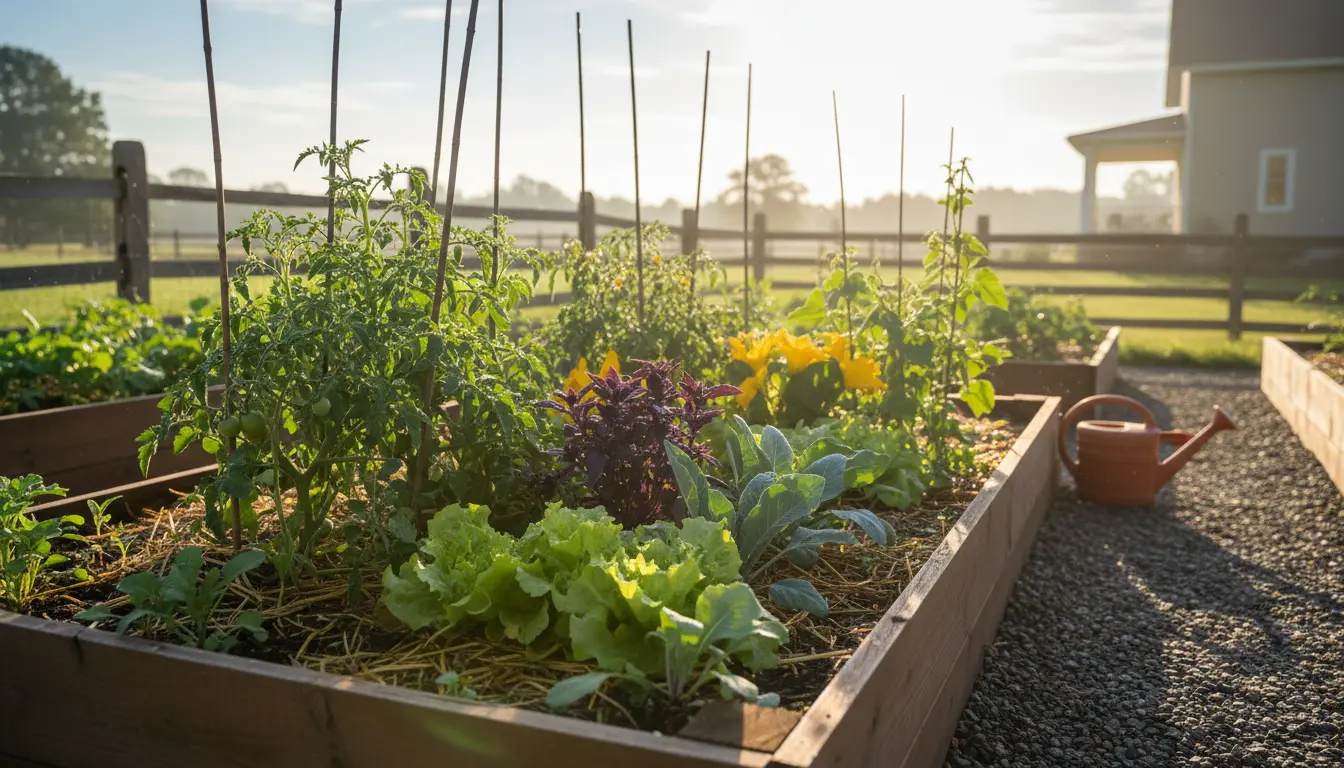
Small gardens work well with raised beds, large containers, or repurposed planters. Raised beds warm faster and drain well. Containers suit balconies and patios.
- Raised bed: good drainage, easier weeding
- Large containers: portable, space-efficient
- Vertical systems: save ground space for vining crops
Prepare Soil for a Small Vegetable Garden
Soil quality is the most important factor for productivity. Use a mix that drains but retains moisture and is rich in organic matter.
For raised beds and containers, a blend of compost, topsoil, and coconut coir or peat works well for many vegetables.
Simple Soil Mix Recipe
- 40% topsoil or loam
- 40% compost or well-rotted manure
- 20% coconut coir or peat for water retention
Test pH if possible. Most vegetables prefer a pH between 6.0 and 7.0. Amend with lime or sulfur only if tests show a need.
Planting Guide for a Small Vegetable Garden
Start with easy crops that produce quickly and reliably. Good beginner choices include lettuce, radishes, cherry tomatoes, green beans, kale, and herbs.
Follow spacing and depth recommendations on seed packets or plant tags. Overcrowding reduces yield and increases disease risk.
Succession Planting and Companion Planting
Succession planting keeps harvests steady: sow quick crops like radishes or lettuce every 2–3 weeks.
Companion planting can save space and reduce pests. Examples: basil near tomatoes, marigolds near beans.
Watering and Feeding a Small Vegetable Garden
Consistent moisture is crucial. Water deeply and less frequently to encourage strong roots. Most vegetables need about 1 inch of water per week, more in hot weather.
Mulch around plants to reduce evaporation and suppress weeds. Use 2–3 inches of straw, shredded leaves, or wood chips where appropriate.
Fertilizing Tips
Use a balanced organic fertilizer at planting and a light side-dress of compost or fish emulsion mid-season for heavy feeders like tomatoes and corn.
Avoid over-fertilizing nitrogen-hungry crops if you want more fruits than leafy growth.
Pest and Disease Management for Small Vegetable Gardens
Inspect plants weekly to catch problems early. Remove diseased leaves, handpick larger pests, and use soapy water or neem oil for small infestations.
Encourage beneficial insects by planting flowers like calendula, nasturtium, or alyssum nearby.
Preventive Practices
- Rotate crops yearly to reduce soil-borne diseases.
- Use row covers for seedlings to protect from insects.
- Avoid overhead watering to reduce fungal outbreaks.
Harvesting and Storage
Harvest vegetables at peak ripeness for the best flavor and nutrition. Frequent harvesting often encourages more production, especially for bush beans and herbs.
Store produce properly: leafy greens in cool, moist conditions, and root crops in a root cellar or cool refrigerator space.
Small Vegetable Garden Case Study
Case Study: A 10×6 raised bed in a suburban backyard produced reliable summer vegetables for a couple in their first year of gardening.
Setup cost was about $180 for lumber, soil mix, and basic tools. They planted tomatoes, peppers, bush beans, lettuce, and herbs.
- Tomatoes: 4 plants produced 20–30 lbs total
- Lettuce: Succession sowing yielded weekly harvests for 4 months
- Beans: Two plantings provided steady pickings for 6 weeks
Key lessons: start small, amend soil early, water consistently, and protect young plants from late spring cold snaps. The couple saved about $200 on store-bought produce that first season and gained hands-on gardening experience.
Quick Checklist to Start Your Small Vegetable Garden
- Choose location with 6+ hours sun or select shade-tolerant crops
- Decide between raised beds, containers, or vertical systems
- Prepare a quality soil mix and test pH if possible
- Plant easy crops first and practice succession planting
- Mulch, water deeply, and inspect for pests weekly
Final Tips for Success with a Small Vegetable Garden
Start with a manageable plan and expand as you become confident. Keep records of what you planted, when you harvested, and any pest or disease issues.
Small gardens reward consistent, simple care. With the right site, soil, and plant choices, even limited space can produce significant amounts of fresh vegetables.