
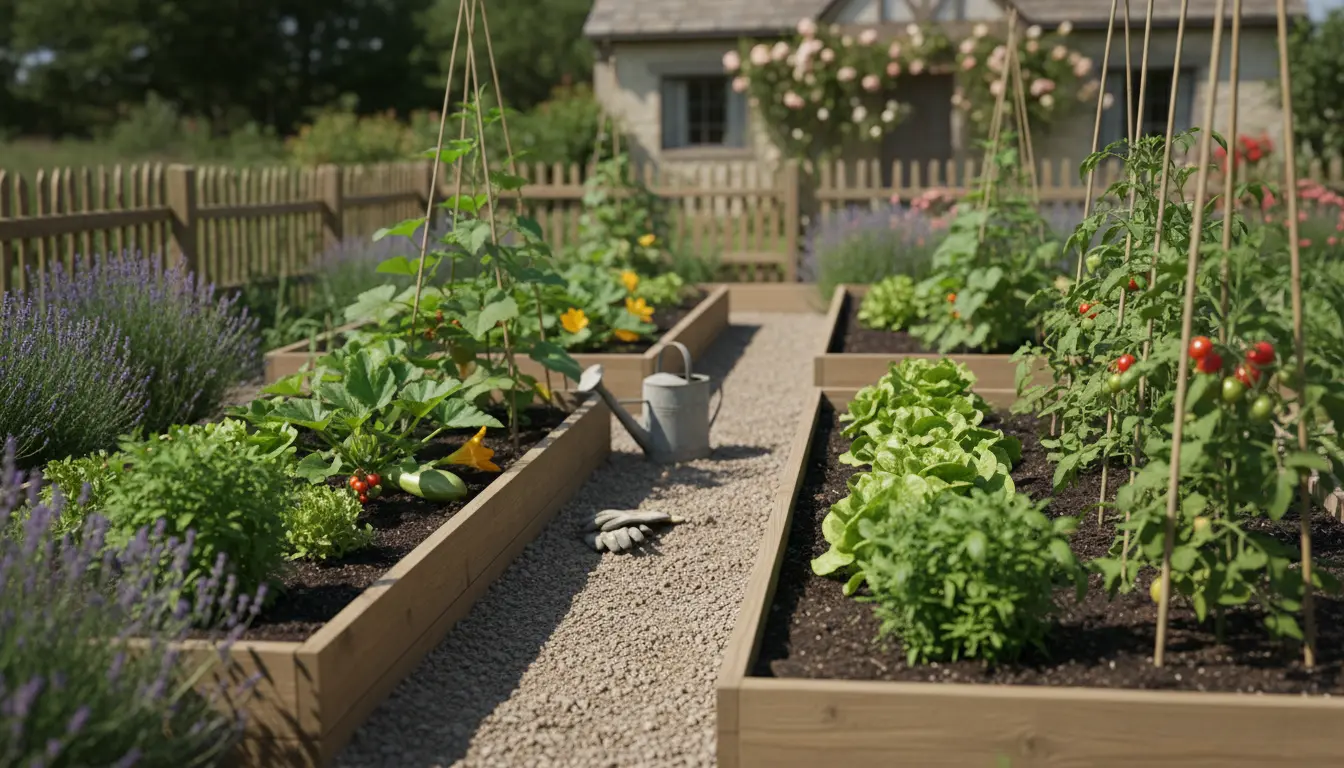
Why Start a Small Vegetable Garden
Starting a small vegetable garden is a practical way to enjoy fresher food, reduce grocery costs, and learn sustainable habits. A small space can still produce a meaningful harvest if planned and maintained correctly.
This guide gives clear, actionable steps to plan, plant, and maintain a productive small vegetable garden.
Step by Step to Start a Small Vegetable Garden
Follow these stages: choose the location, prepare the soil or containers, select crops, plant at the right time, and maintain regular care. Each stage determines how well your garden will perform.
Choose the Right Location
Sunlight is the most important factor. Aim for at least 6 hours of direct sun for most vegetables. Observe potential spots across a day to confirm sunlight levels.
Consider proximity to water, protection from wind, and ease of access for daily care and harvest.
Decide Between Beds, Containers, or Vertical Planters
Small gardens work well as raised beds, large containers, or vertical systems. Match your choice to space, mobility, and budget.
- Raised beds: Good drainage, easier weeding, better soil control.
- Containers: Ideal for balconies and patios; choose deep pots for roots.
- Vertical planters: Save space for vining crops like peas and beans.
Soil, Water, and Sunlight for a Small Vegetable Garden
Healthy soil is the foundation. Test and amend soil before planting. Use a simple DIY soil test kit or send a sample to a local extension office for nutrient analysis.
Aim for loose, well-draining soil rich in organic matter. Mix compost with native soil or use a soilless mix for containers.
Watering Basics
Consistent moisture is critical. Water deeply and less often to encourage strong roots. Mulch around plants to retain moisture and suppress weeds.
Consider a drip irrigation line or soaker hose for efficiency in small spaces.
Plant Selection and Timing
Pick vegetables that match your climate, sun, and available space. Prioritize high-yield, low-space crops for small gardens.
- Compact tomatoes (bush/determinate varieties)
- Leafy greens (lettuce, spinach, kale)
- Herbs (basil, parsley, chives)
- Root vegetables (radishes, carrots in deep containers)
Check your local frost dates and plant accordingly. Use succession planting to maximize harvests from a small area.
Example Planting Schedule
- Early spring: peas, spinach, radishes
- Late spring: tomatoes, peppers, basil
- Late summer: second sowing of lettuce, carrots
Maintenance and Pest Management
Maintenance tasks include watering, weeding, mulching, and occasional fertilizing. Keep tasks regular to prevent small problems from growing.
Monitor plants weekly for pests and disease. Use nonchemical controls first: handpicking, row covers, and encouraging beneficial insects.
Simple Fertilizing Routine
Top-dress with compost mid-season or use a balanced organic fertilizer according to package instructions. Avoid over-fertilizing leafy crops if you want fruit production.
Growing herbs like basil beside tomatoes can improve flavor and may help deter some pests. Companion planting is a low-effort method to support plant health.
Maximizing Yield in a Small Vegetable Garden
Use these techniques to get more from limited space: succession planting, intercropping, and vertical supports. Fast-maturing crops free space for later plantings.
Pair tall, slow crops with quick, low-growing crops. For example, plant lettuce between tomato seedlings, then harvest lettuce before tomatoes need the space.
Tools and Supplies Checklist
- Hand trowel and fork
- Watering can or hose with gentle nozzle
- Quality potting soil or compost
- Mulch (straw or shredded leaves)
- Supports: stakes, cages, or trellis
Small Real-World Case Study
Case: A two-person household in a small urban yard built a 4×8 ft raised bed and started with tomatoes, bush beans, lettuce, and basil. The bed used a 50/50 mix of compost and topsoil with a 2-inch mulch layer.
Results: In the first season they harvested weekly greens, two tomato plants produced 20–30 tomatoes each, and beans yielded multiple pickings. They reduced grocery lettuce purchases by half and enjoyed fresh herbs through the summer.
Key actions: Proper sun choice, regular watering, and succession planting doubled productivity in a single growing season.
Final Checklist to Start a Small Vegetable Garden
- Pick a sunny, convenient site with access to water.
- Decide on beds or containers and prepare soil with compost.
- Choose compact, high-yield crops suited to your season.
- Mulch, water deeply, and monitor for pests weekly.
- Keep a simple planting calendar and rotate crops where possible.
Starting a small vegetable garden is straightforward with basic planning and consistent care. Use the steps above to design a manageable garden that fits your space and schedule, and expect better harvests as you learn your site over seasons.