
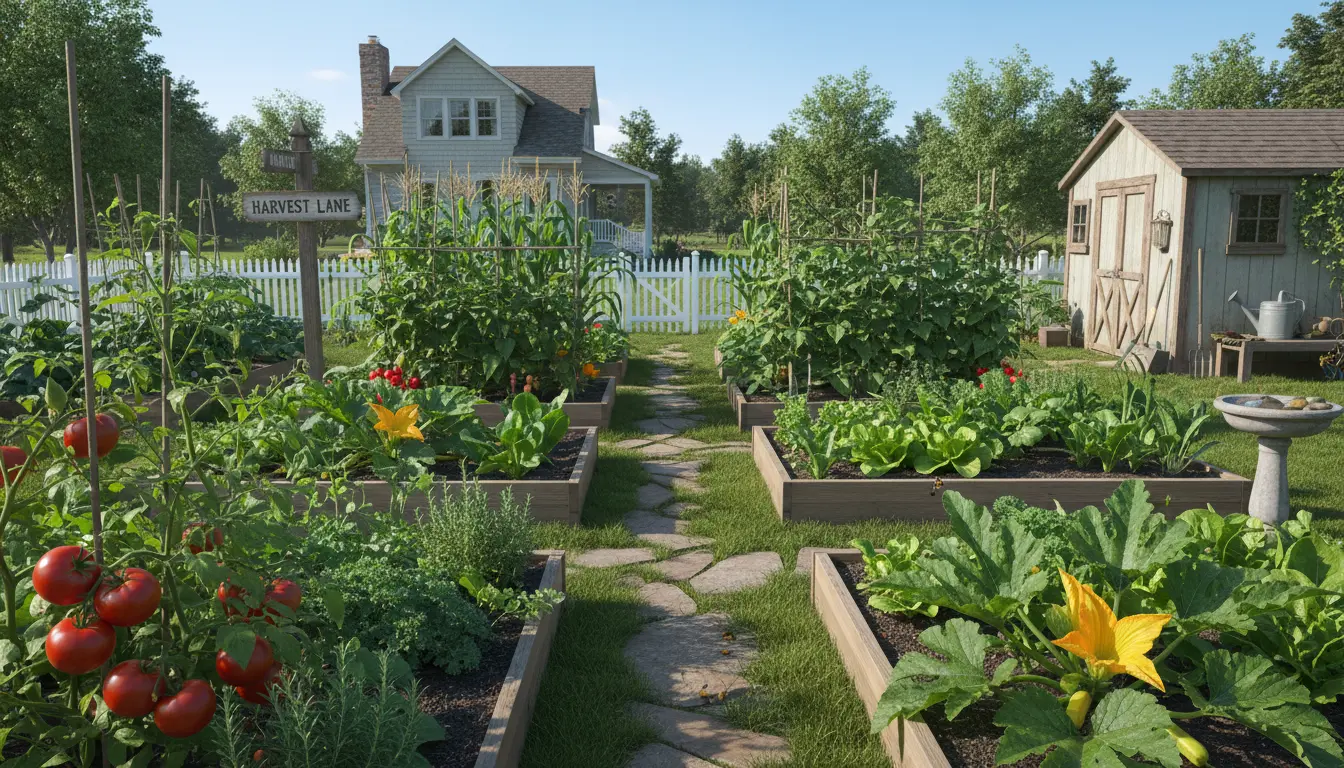
Starting a vegetable garden can be simple and rewarding. This guide breaks the process into clear steps you can follow, whether you have a small balcony or a backyard plot.
How to Start a Vegetable Garden: Choose Location
Pick a spot with at least 6 hours of direct sun for most vegetables. Observe sunlight patterns for several days to confirm light and shade.
Consider proximity to water and convenience. A site near your kitchen increases the chance you will tend the garden regularly.
How to Start a Vegetable Garden: Assess Soil and Space
Test the soil by digging a small hole and noting texture and drainage. Sandy soil drains fast; clay holds water. You can grow in containers, raised beds, or in-ground depending on your soil quality.
Use a simple pH test kit to check acidity. Most vegetables prefer pH 6.0 to 7.0. Amend soil with compost to improve structure and nutrients.
How to Start a Vegetable Garden: Plan What to Grow
Choose vegetables that match your climate and the season. For beginners, start with forgiving plants like lettuce, radishes, tomatoes, and bush beans.
- List favorite vegetables and prioritize those you’ll eat often.
- Start small: a few raised beds or several containers is easier to manage.
- Group plants by water and sun needs to simplify care.
How to Start a Vegetable Garden: Use a Planting Calendar
Use a local planting calendar to know frost dates and planting windows. Plant cool-season crops in early spring and fall, warm-season crops after the last frost.
Stagger plantings of quick crops like lettuce every two weeks for a continuous harvest.
How to Start a Vegetable Garden: Prepare Soil and Beds
Clear weeds and loosen soil to a depth of 8–12 inches for in-ground beds. Incorporate 2–3 inches of compost and mix well.
For raised beds, fill with a mix of topsoil, compost, and a light soil conditioner. Aim for a loamy, well-draining mix.
How to Start a Vegetable Garden: Planting Techniques
Follow seed packet or transplant spacing recommendations. Plant seedlings deeper for tomatoes to encourage strong roots.
Mulch around plants to conserve moisture and suppress weeds. Use organic mulch like straw or shredded leaves.
How to Start a Vegetable Garden: Watering and Fertilizing
Water deeply and less frequently to encourage strong roots. Aim for 1–1.5 inches of water per week, adjusted for rain and soil type.
Use a balanced organic fertilizer at planting and as recommended during the season. Over-fertilizing can reduce yields and damage plants.
How to Start a Vegetable Garden: Pest and Disease Basics
Inspect plants regularly for pests. Handpick large pests, use row covers for protection, and encourage beneficial insects like ladybugs.
Practice crop rotation each year to reduce soil-borne diseases. Remove and compost diseased plants away from healthy beds.
How to Start a Vegetable Garden: Ongoing Care and Harvest
Weed weekly and check soil moisture. Prune and stake tall plants like tomatoes to improve air flow and reduce disease.
Harvest regularly to encourage more production. Pick leafy greens when young for better flavor and continuous growth.
Companion planting, like basil near tomatoes, can improve flavor and reduce some pests. Simple pairings help create a healthier garden ecosystem.
Small Real-World Case Study
Case Study: Maria’s 8×4 Raised Bed
Maria converted a sunny corner of her yard into an 8×4 raised bed filled with a compost-rich mix. She planted tomatoes at the back, bush beans in the middle, and a succession of lettuce and radishes at the front.
In her first season she harvested enough tomatoes for weekly salads and canned two jars of sauce. Her lessons: start small, use support for tall plants, and plant quick crops between slower ones to maximize space.
How to Start a Vegetable Garden: Quick Start Checklist
- Choose a sunny location near water.
- Test and amend soil with compost.
- Pick easy crops for your season and space.
- Use raised beds or containers if soil is poor.
- Water deeply, mulch, and inspect for pests weekly.
Starting a vegetable garden is a step-by-step process. Keep records of planting dates, varieties, and results to improve next season. With basic planning and regular care, you can grow fresh vegetables even in small spaces.