
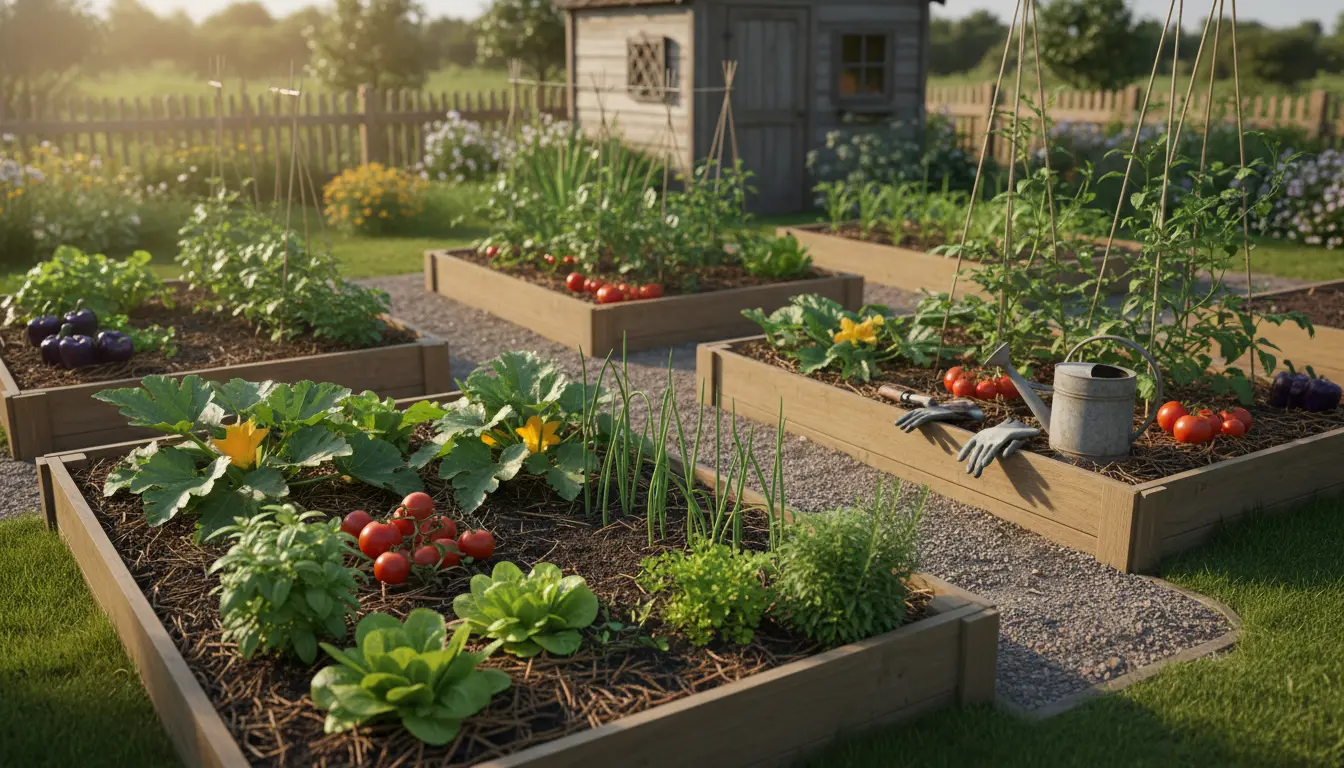
How to Start a Small Vegetable Garden: Quick Overview
Starting a small vegetable garden is achievable with basic planning and a few reliable techniques. This guide covers the essential steps from selecting a site to harvesting, ideal for raised beds, containers, or compact plots.
Plan Your Space When You Start a Small Vegetable Garden
Decide where the garden will go and how much time you can spend caring for it. Sun exposure is the most important factor; most vegetables need 6–8 hours of direct sun each day.
Consider access to water, ease of weeding, and proximity to your kitchen for quick harvests.
How to Start a Small Vegetable Garden: Choose the Right Layout
Choose one of these common layouts based on your space:
- Containers on a balcony or patio — flexible and low-maintenance.
- Raised beds — good drainage and easier soil control.
- Small in-ground plot — works when you have yard space and time.
Prepare Soil and Containers
Healthy soil is the foundation of a productive small vegetable garden. If using containers, choose high-quality potting mix rather than garden soil for lighter weight and better drainage.
For raised beds or plots, mix in compost and a balanced organic fertilizer to improve texture and nutrients.
Soil Checklist for a Small Vegetable Garden
- Test soil pH if possible; aim for pH 6.0–7.0 for most vegetables.
- Add 2–3 inches of compost and work it into the top 6–8 inches of soil.
- Use mulch to retain moisture and suppress weeds after planting.
Choose Easy Vegetables for a Small Garden
Pick crops known to perform well in small spaces and containers. Focus on high-yield, low-space plants so your efforts deliver results.
- Leafy greens: lettuce, spinach, arugula.
- Herbs: basil, parsley, chives.
- Fruiting plants: cherry tomatoes, peppers, bush beans.
- Root crops: radishes, baby carrots (in deeper containers).
Plan for Success: Succession and Companion Planting
Use succession planting to get continuous harvests: sow fast crops like radishes between slower ones. Companion planting can reduce pests and maximize space.
Planting and Timing for a Small Vegetable Garden
Follow seed packet or plant tag instructions for depth and spacing. Overcrowding reduces air flow and increases disease risk, even in small gardens.
Stagger planting times and use vertical supports for vining varieties to save ground space.
Watering and Fertilization Tips
Consistent moisture is key. Water deeply and less frequently rather than daily shallow watering. Containers will dry faster than beds; check them more often.
Fertilize based on plant needs; leafy crops benefit from nitrogen-rich feeds, while fruiting plants need more potassium and phosphorus during flowering.
Pest and Disease Management in a Small Vegetable Garden
Small gardens allow close observation, which helps catch issues early. Use these practical strategies to manage common problems.
- Inspect plants weekly for insects or disease.
- Handpick large pests such as slugs and caterpillars.
- Use row covers for early-season protection against insects.
- Promote beneficial insects by growing diverse flowering plants nearby.
Harvesting and Crop Rotation
Harvest regularly to encourage more production. Pick vegetables at peak ripeness for best flavor and to avoid wasted space.
Rotate crops yearly if you have a permanent bed to reduce soil-borne diseases and nutrient depletion.
Small Real-World Example: A Balcony Garden Case Study
Case: Sarah had a 6-foot balcony and wanted fresh salad greens and tomatoes. She used two 18-inch containers for cherry tomatoes and four 10-inch pots for mixed greens and herbs.
Her setup included quality potting mix, a slow-release organic fertilizer, and drip-line watering on a timer. In one season she harvested weekly salad bowls and several pounds of cherry tomatoes.
Key takeaways: right container sizes, consistent watering, and choosing compact varieties delivered reliable results in a small footprint.
Common Mistakes to Avoid When You Start a Small Vegetable Garden
- Planting too many crops in a tiny area — start small and expand.
- Ignoring sunlight needs — shade-tolerant crops exist, but most vegetables need sun.
- Using poor soil or letting containers dry out frequently.
Final Steps to Start a Small Vegetable Garden
Make a simple planting calendar for your climate and commit to weekly checks for watering, pests, and support needs. Start with a few reliable varieties and add more as you gain confidence.
With planning, good soil, and regular care, a small vegetable garden can provide fresh food and a satisfying hobby even in limited space.