
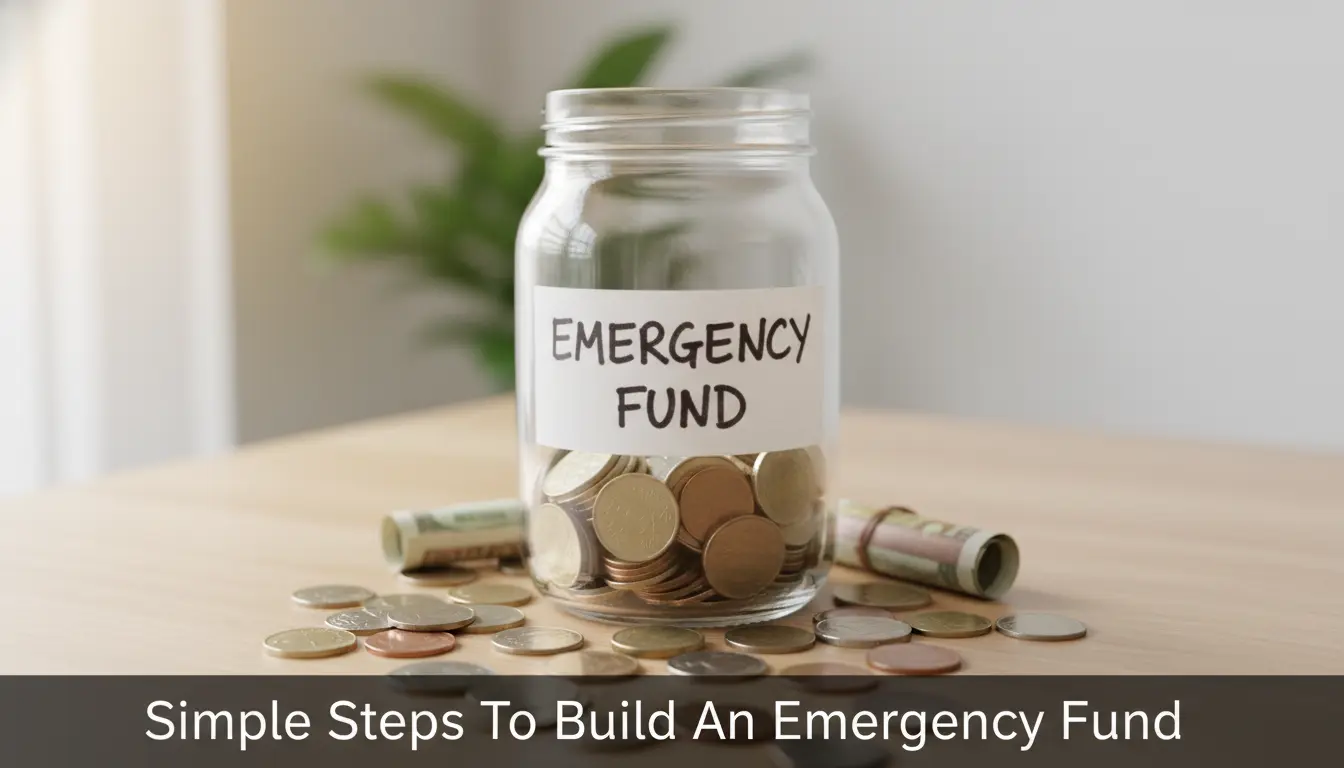
An emergency fund is a dedicated savings buffer for urgent expenses like car repairs, medical bills, or sudden income loss. This guide explains how to build an emergency fund with clear steps, realistic timelines, and practical tips you can use today.
Why an Emergency Fund Matters
Building an emergency fund protects you from taking on high-interest debt when unexpected costs appear. It also gives you time to make reasoned choices instead of rushed decisions during a crisis.
Aim for a fund that covers basic needs and recurring expenses so you can maintain stability while you address the problem.
How Much to Save for an Emergency Fund
How much you should save depends on your situation, but common benchmarks help set realistic targets. Use household expenses, job stability, and dependents to set your goal.
Common Targets
- Starter goal: $1,000 — useful for small, common emergencies.
- Short-term goal: 1–3 months of essential expenses — for most single-income households.
- Full goal: 3–6 months (or 6–12 months for variable income) — for broader protection.
Steps to Build an Emergency Fund
Follow a structured plan to build an emergency fund without sacrificing daily needs. Break the process into small, repeatable steps.
Step 1: Calculate Your Essential Monthly Expenses
List only essentials: rent or mortgage, utilities, groceries, insurance, and minimum loan payments. Exclude discretionary items like dining out or subscriptions.
Multiply that number by your chosen target (1–6 months) to get a clear savings goal.
Step 2: Open a Separate Account for Your Emergency Fund
Keep the fund separate from your checking account to reduce temptation. Choose a high-yield savings account or money market account for liquidity and some interest.
A separate account makes tracking progress easier and prevents accidental spending.
Step 3: Set a Monthly Savings Habit
Automate transfers right after payday so saving happens before you can spend. Even small, consistent contributions build momentum over time.
Example contributions: $50 per week, $200 per month, or a percentage of each paycheck.
Step 4: Find One-Off Boosts
Accelerate your fund with windfalls: tax refunds, bonuses, or selling unused items. Treat these as top-ups rather than spending opportunities.
Allocate one-time income directly to your emergency fund until you reach your target.
Practical Tips to Grow Your Emergency Fund
Small changes to spending and income can add up quickly. Prioritize actions that fit your routine so the habit sticks.
Strategies That Work
- Trim recurring costs: cancel unused subscriptions and negotiate bills.
- Reduce grocery bills with meal plans and shopping lists.
- Use cash-back apps or reward programs and move rewards to savings.
- Increase income with side gigs or overtime and direct earnings to the fund.
Where to Keep the Emergency Fund
Accessibility and safety are the priorities. Avoid tying the money to long-term investments that may lose value or charge withdrawal penalties.
- High-yield savings accounts: easy access and modest interest.
- Money market accounts: slightly higher yields with check-writing options.
- Short-term CDs: only if you ladder them and keep some liquidity.
Common Mistakes When Building an Emergency Fund
Recognize common pitfalls so you can avoid them and reach your goal faster.
- Mixing the fund with daily spending accounts.
- Using the fund for non-emergencies like vacations or elective purchases.
- Keeping the fund entirely in cash at home — security and loss risks are higher.
Nearly half of adults report they would struggle to cover a $400 emergency without borrowing. Building even a small emergency fund reduces stress and preserves credit.
Real-World Example: Simple Case Study
Samantha is a freelance graphic designer with variable monthly income. Her essential monthly expenses are $2,200. She chose a 6-month emergency fund goal of $13,200.
She automated $400 per month into a high-yield savings account and redirected a $1,200 tax refund to the fund. After nine months she had saved $5,800 and increased her monthly transfer to $600. Within 18 months she reached her full $13,200 goal.
Key takeaways: consistent automation, using windfalls, and adjusting contributions when income changes.
When to Use Your Emergency Fund
Use the fund for unplanned, necessary expenses that threaten financial stability. Examples include job loss, large medical bills, urgent home repairs, or essential car repairs.
After any withdrawal, prioritize rebuilding the fund to your target level.
Quick Checklist to Start Building Your Emergency Fund
- Calculate essential monthly expenses.
- Choose a target (1–6 months) based on stability and responsibilities.
- Open a separate high-yield savings or money market account.
- Automate regular transfers and apply one-off income to the fund.
- Track progress monthly and adjust as needed.
Building an emergency fund is a practical step toward financial resilience. Start small, stay consistent, and treat the fund as a priority. Over time the buffer you create will give you flexibility and reduce reliance on credit during unexpected events.