
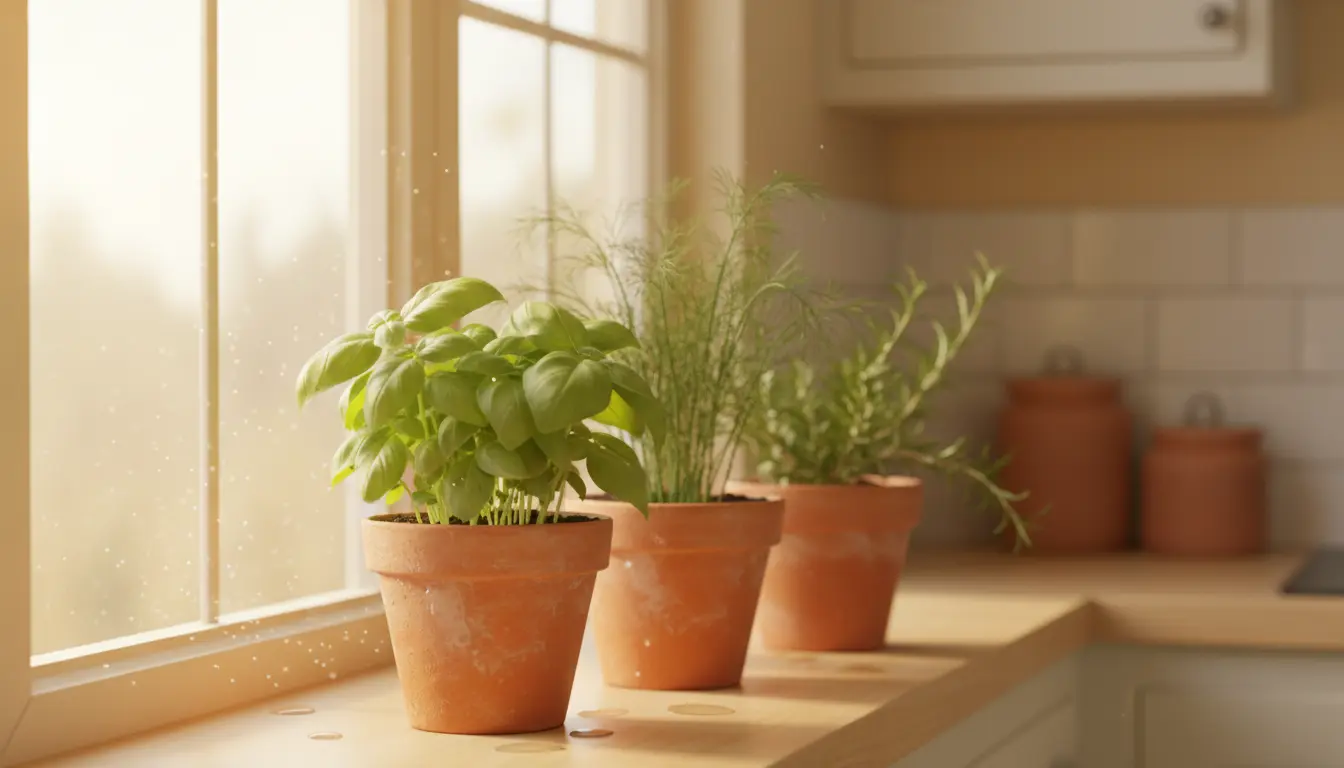
Why Indoor Herb Gardening Works
Indoor herb gardening offers fresh flavors year-round and saves money on store-bought herbs. It also fits small spaces and provides quick access to ingredients while cooking.
With controlled light, water, and soil, many common culinary herbs thrive indoors. The key is matching the plant’s needs to the indoor environment.
Essential Supplies for Indoor Herb Gardening
Start with a few basic supplies to set yourself up for success. Quality materials reduce stress and improve plant health.
- Containers with drainage holes — plastic, ceramic, or terra cotta work well.
- Light source — a sunny windowsill or a grow light rated for plants.
- Potting mix formulated for herbs or indoor plants.
- Small hand tools — a trowel, watering can, and pruning shears.
- pH test kit or meter (optional) to check soil acidity.
Choosing Herbs for Indoor Herb Gardening
Select herbs that adapt well to containers and limited light. Start with easy, forgiving species for faster success.
Best beginner herbs for indoor herb gardening
- Basil — prefers bright light and regular water.
- Mint — tolerates lower light and can be vigorous in containers.
- Parsley — grows well in moderate light and regular moisture.
- Chives — compact and tolerant of indoor conditions.
- Thyme and oregano — need good drainage and moderate light.
Planting and Soil Tips for Indoor Herb Gardening
Use a well-draining potting mix rather than garden soil. Garden soil can compact in containers and suffocate roots.
Fill the container to within an inch of the rim and plant at the same depth as the nursery pot. Firm the soil lightly and water to settle it.
Watering and Lighting for Indoor Herb Gardening
Consistent but moderate watering is crucial. Overwatering is the most common cause of indoor herb problems.
Watering tips
- Check soil moisture by inserting a finger one inch deep — water only if dry.
- Use pots with drainage and remove excess water from saucers.
- Adjust frequency seasonally; plants use less water in cooler months.
Lighting tips
- Most herbs need 6–8 hours of bright light daily; a south- or west-facing window is ideal.
- Use full-spectrum LED grow lights if natural light is insufficient.
- Place lights 6–12 inches above plants and run them 12–14 hours on a timer for consistent growth.
Pest Control and Maintenance for Indoor Herb Gardening
Indoor pests are less common than outdoor ones, but aphids, spider mites, and fungus gnats can appear. Early detection makes control easier.
- Inspect leaves weekly and wipe with a damp cloth to remove dust and pests.
- Use insecticidal soap or neem oil for small infestations; follow label directions.
- Avoid overwatering to prevent root rot and fungus gnats.
Many herbs release more essential oils (and stronger flavor) when slightly stressed by moderate sunlight and slightly drier soil between waterings.
Fertilizing and Pruning in Indoor Herb Gardening
Regular pruning encourages bushy growth and prevents legginess. Snip tops regularly and use harvested stems in cooking.
Feed herbs with a balanced, diluted liquid fertilizer every 4–6 weeks during the active growing season. Avoid overfertilizing, which can reduce flavor intensity.
Small Case Study: Kitchen Basil Success
Marie, a home cook in Seattle, added three basil plants to her east-facing windowsill. She used 6-inch pots with potting mix and rotated plants weekly for even light.
She watered when the top inch of soil dried and fed with half-strength liquid fertilizer monthly. Within six weeks she harvested regular leaves, saving money and improving meal freshness.
Quick Troubleshooting for Indoor Herb Gardening
- Yellow leaves: often overwatering or poor drainage — check pot holes and adjust water schedule.
- Leggy stems: increase light exposure or prune back to encourage bushier growth.
- Slow growth: check fertilizer routine and consider repotting into a slightly larger container.
- Leaf spots or mold: improve air circulation and reduce humidity; remove affected leaves.
Practical Weekly Routine for Indoor Herb Gardening
- Monday: Check soil moisture and water if needed.
- Wednesday: Rotate pots for even light and inspect for pests.
- Saturday: Harvest lightly, prune, and clean leaves.
- First of month: Apply diluted fertilizer during growing season.
Final Tips for Indoor Herb Gardening
Start small and add herbs as you gain confidence. Consistent light, drainage, and moderate water are the pillars of success.
Keep notes on watering, light exposure, and which varieties perform best in your home. Over time you’ll create a reliable supply of fresh herbs.