
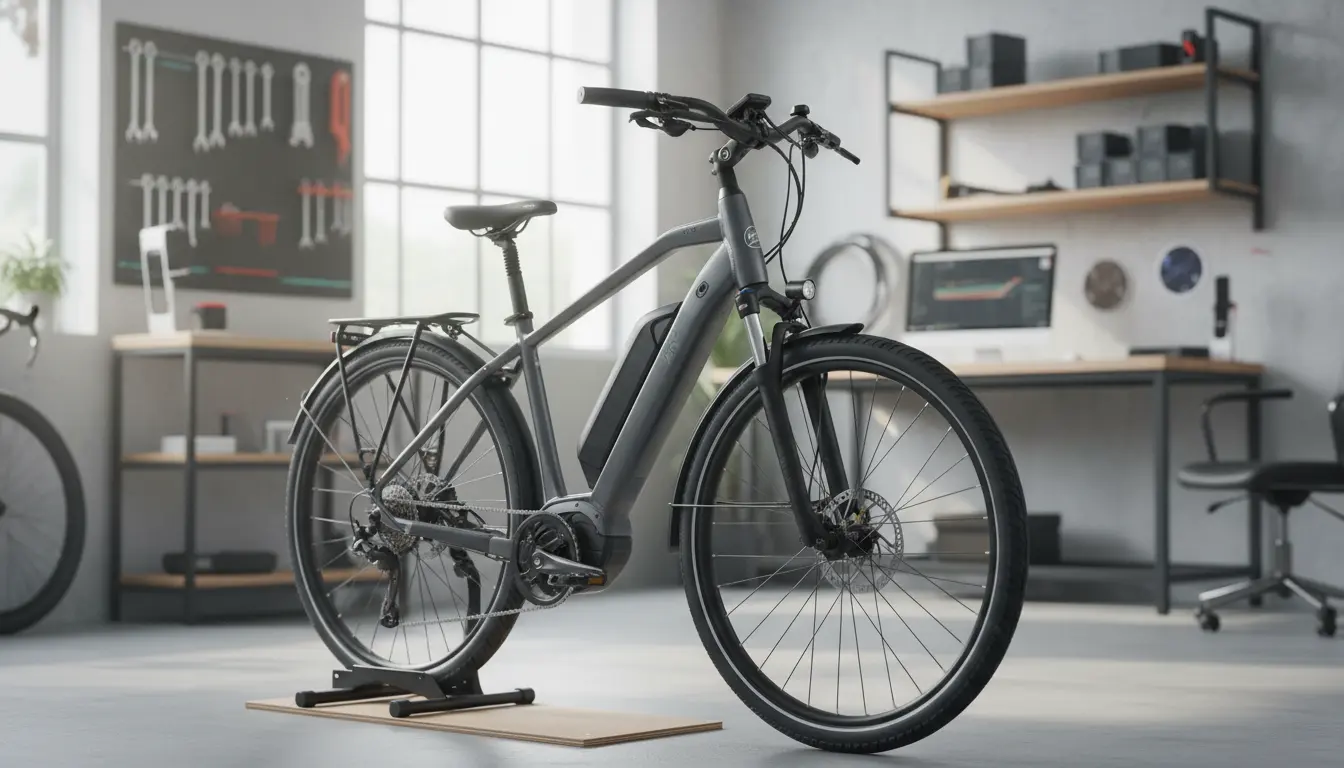
Regular electric bike maintenance prevents breakdowns, extends component life, and keeps you riding safely. This guide breaks maintenance into simple tasks you can do weekly, monthly, and seasonally.
Essential Electric Bike Maintenance Checklist
Follow a checklist to make maintenance predictable and efficient. Use these items as your core routine.
- Visual inspection for damage, loose bolts, or worn parts.
- Tire pressure and tread check.
- Brake function and pad wear inspection.
- Battery charge level and connector cleanliness.
- Chain lubrication and drivetrain condition.
Weekly Tasks for Electric Bike Maintenance
Weekly checks are quick and prevent small problems from growing. Spend 10 to 15 minutes after rides or before commuting.
- Check tire pressure and re-inflate to the recommended PSI printed on the tire sidewall.
- Wipe the frame and remove grit from the drivetrain with a dry cloth.
- Confirm lights, display, and throttle/pedal-assist are working.
Monthly Tasks for Electric Bike Maintenance
Monthly tasks require slightly more time but keep systems in good shape. Do these in a dry, well-lit space.
- Inspect brake pads and rotors for wear and alignment; adjust cables or calipers as needed.
- Lubricate the chain with a bicycle-specific lube—wipe off excess to avoid grime buildup.
- Check battery contacts for corrosion and ensure the battery mounts securely.
- Tighten bolts at the stem, seat post, rack mounts, and motor mounts to the manufacturer’s torque specs where possible.
Battery Care for Electric Bike Maintenance
Battery health is central to e bike reliability and range. Proper charging and storage significantly extend battery life.
Charging Best Practices
Follow these charging routines to maximize battery lifespan.
- Avoid full deep discharges; recharge when the battery reaches 20–30% if possible.
- Use the manufacturer-supplied charger—third-party chargers can harm the battery or void warranty.
- Charge in a cool, dry place. High or low temperatures during charging reduce battery efficiency.
Long Term Storage
If storing your e bike for weeks or months, keep the battery at about 40–60% charge. Remove the battery from the bike if storing in a non-climate-controlled area.
Brakes, Tires, and Drivetrain Maintenance
These mechanical systems affect safety and ride quality. Regular care avoids costly repairs and improves efficiency.
Brake Maintenance
Check for squeal, reduced stopping power, or spongy levers. These are signs your brakes need attention.
- For mechanical disc brakes, adjust cable tension and align calipers.
- For hydraulic brakes, inspect hoses and consider a bleed if levers feel soft.
- Replace pads when the compound is less than 1.5 mm thick or if contaminated with oil.
Tire and Drivetrain Care
Tires should be free of deep cuts or embedded glass. The drivetrain should shift smoothly.
- Replace tires that bulge, have exposed cords, or show excessive wear.
- Clean and degrease the chain periodically, then re-lubricate.
- Adjust derailleur limit screws to prevent chain drops and improve shifting accuracy.
Software and Electrical Checks
Modern e bikes include controllers and displays that may need firmware updates or diagnostic checks.
- Check for firmware updates through the manufacturer app or dealer.
- Monitor error codes on the display and consult the manual for troubleshooting steps.
- Inspect wiring harnesses for chafing or loose connectors, especially near the fork and seat post areas.
Storing an e bike battery at partial charge (40–60%) can double its useful lifespan compared with repeated full charges and deep discharges.
Tools and Supplies for Routine Electric Bike Maintenance
Keep a small work kit to handle most routine tasks at home. This saves repair shop visits and downtime.
- Floor pump with a pressure gauge.
- Hex key set, torque wrench, and adjustable wrench.
- Chain cleaner, degreaser, and quality bicycle lubricant.
- Brake pads and spare tubes matched to your tire size.
When to See a Professional
Some issues need trained technicians. Schedule professional service when electrical faults, motor noise, or complex hydraulic brake work is involved.
Real World Example: Commuter Case Study
Anna commutes 12 miles daily on a mid-drive electric commuter bike. She follows a simple maintenance plan: quick visual checks weekly, a deeper look monthly, and battery care guidelines year-round.
Over 18 months, Anna avoided two breakdowns and extended her battery life by following the charging rules and storing the battery during winter. Her small investment in a basic tool kit and a once-a-year professional check saved her time and about 20 percent in repair costs compared with neighbors who skipped regular maintenance.
Summary and Maintenance Plan
Regular electric bike maintenance keeps you safe and reduces long-term costs. Use a simple schedule and a small toolkit to handle most tasks yourself.
- Weekly: Visual checks, tires, lights.
- Monthly: Brakes, chain lube, battery contact inspection.
- Seasonal: Professional check, brake bleed if needed, tire replacements.
Stick to this plan, consult your bike’s manual for model-specific advice, and contact a qualified technician for complex electrical or hydraulic work.