
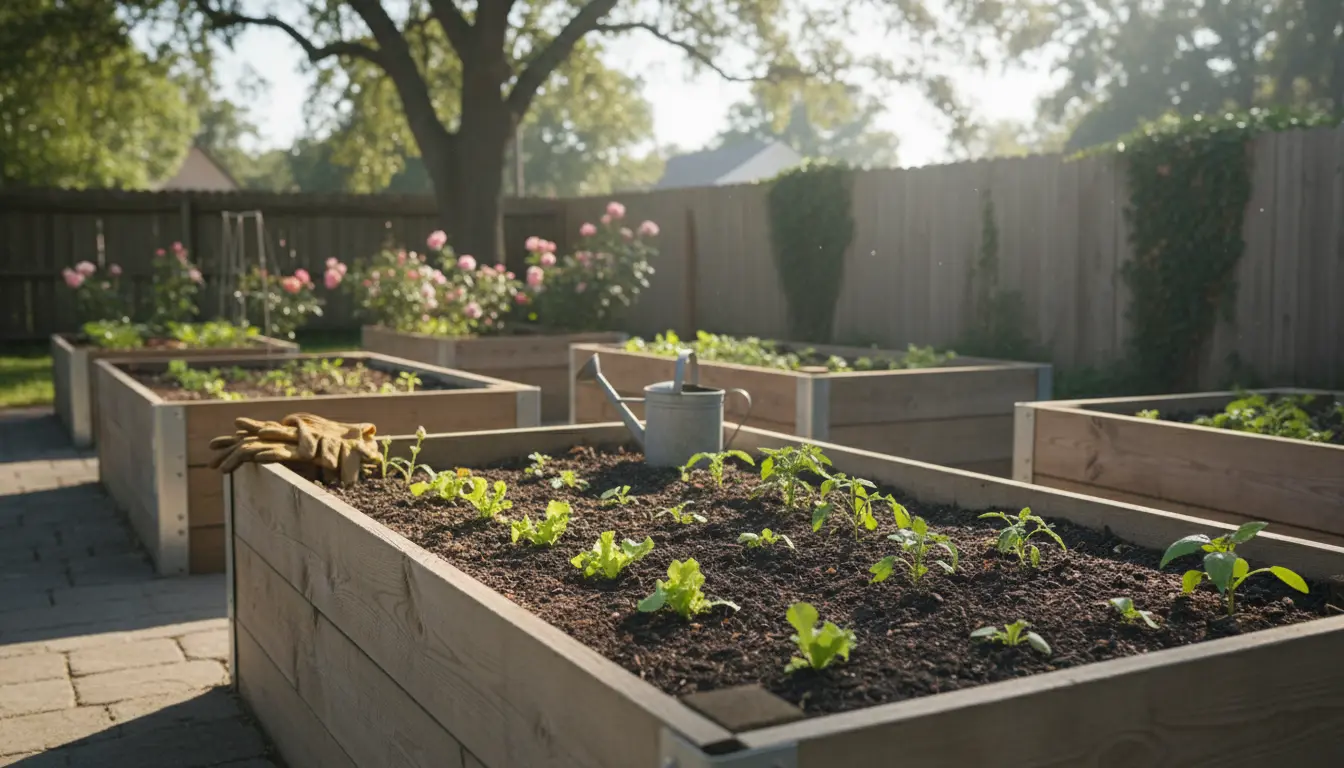
Why Start a Small Vegetable Garden
Starting a small vegetable garden gives you fresh produce, saves money, and improves health. It works for apartments with containers, backyards with raised beds, or balconies with planters.
Plan Your Small Vegetable Garden
Good planning reduces wasted time and expense. Decide what you want to grow, how much space you have, and how much time you can commit each week.
Choose crops for a small vegetable garden
Select easy, high-yield plants suited to your space and climate. Tomatoes, lettuce, radishes, herbs, peppers, and bush beans are common starter choices.
- Pick dwarf or bush varieties for containers and small beds.
- Choose crops with staggered harvest times for continuous yield.
- Consider companion planting to save space and deter pests.
Estimate space and layout for a small vegetable garden
Measure available square footage and plan paths for access. A 4×4 or 4×8 raised bed is manageable and productive.
- Use square-foot gardening if space is limited.
- Stack vertically with trellises for vining crops like peas and cucumbers.
- Leave 18 to 24 inches per row or use stepping stones between beds.
Choose Location and Light for a Small Vegetable Garden
Crops need sunlight to thrive; most vegetables require at least six hours of direct sun. Observe sun patterns and pick the brightest spot available.
Choose location for a small vegetable garden
A south- or west-facing area typically gets the most sun. If full sun is unavailable, focus on shade-tolerant greens and herbs.
- Avoid low spots where water pools after rain.
- Keep the garden close to a water source to simplify watering.
- Consider wind exposure; install a simple windbreak if needed.
Prepare Soil for a Small Vegetable Garden
Healthy soil is the foundation of a productive small vegetable garden. Most vegetables prefer loose, fertile, well-draining soil with good organic matter.
Improve soil for a small vegetable garden
Test soil pH if possible; aim for 6.0 to 7.0 for most crops. Amend soil with compost and a balanced organic fertilizer to feed plants.
- Add 2 to 4 inches of compost and work it into the top 6 to 8 inches of soil.
- Use raised beds with a mix of topsoil, compost, and coarse sand or perlite for heavy soils.
- Mulch to retain moisture and suppress weeds.
Planting Strategies for a Small Vegetable Garden
Use efficient planting techniques to maximize yield in limited space. Succession planting and intercropping increase productivity.
Sowing and transplanting in a small vegetable garden
Direct-sow quick crops like radishes and beans and transplant longer-season plants like tomatoes and peppers. Follow seed packet spacing to avoid overcrowding.
- Sow seeds in staggered intervals every 2 to 3 weeks for continuous harvest.
- Mix quick growers between slower crops (e.g., lettuce between tomato rows).
- Use containers for herbs and small root crops to free bed space.
Care and Maintenance of a Small Vegetable Garden
Routine care keeps plants healthy and productive. Consistency is more important than time spent each day.
Watering and feeding your small vegetable garden
Water deeply and less frequently to encourage strong roots. Apply a balanced fertilizer or organic feed every 3 to 4 weeks during the growing season.
- Water in the morning to reduce disease risk.
- Install a drip system or soaker hose to save water and time.
- Top-dress with compost mid-season to replenish nutrients.
Pest and disease control in a small vegetable garden
Inspect plants weekly for signs of pests or disease. Use preventive steps like crop rotation, clean tools, and physical barriers.
- Introduce beneficial insects like ladybugs for aphid control.
- Handpick large pests and use organic sprays as a last resort.
- Remove and compost diseased plants to prevent spread.
Small Garden Case Study: A Balcony Success
A city resident converted a 6×4 foot balcony into a productive small vegetable garden. They used three 2×2 foot raised planters and vertical trellises for cucumbers and beans.
In the first season they harvested lettuce every two weeks, three tomato plants produced enough for weekly salads, and herbs provided fresh flavors all summer. They spent about 30 minutes per week on maintenance.
Quick Tips to Start a Small Vegetable Garden
- Start small and expand after your first season.
- Choose easy crops and compact varieties for limited space.
- Prioritize soil building and consistent watering.
- Keep a simple planting calendar to track succession sowing.
Final Steps and Next Season Planning
At season end, remove spent plants, add compost, and cover beds or pots if you expect heavy rain. Review what worked and plan seed purchases for the next season.
Starting a small vegetable garden is a practical project that scales to any space. With a little planning and consistent care you can enjoy fresh produce and learning all season long.