
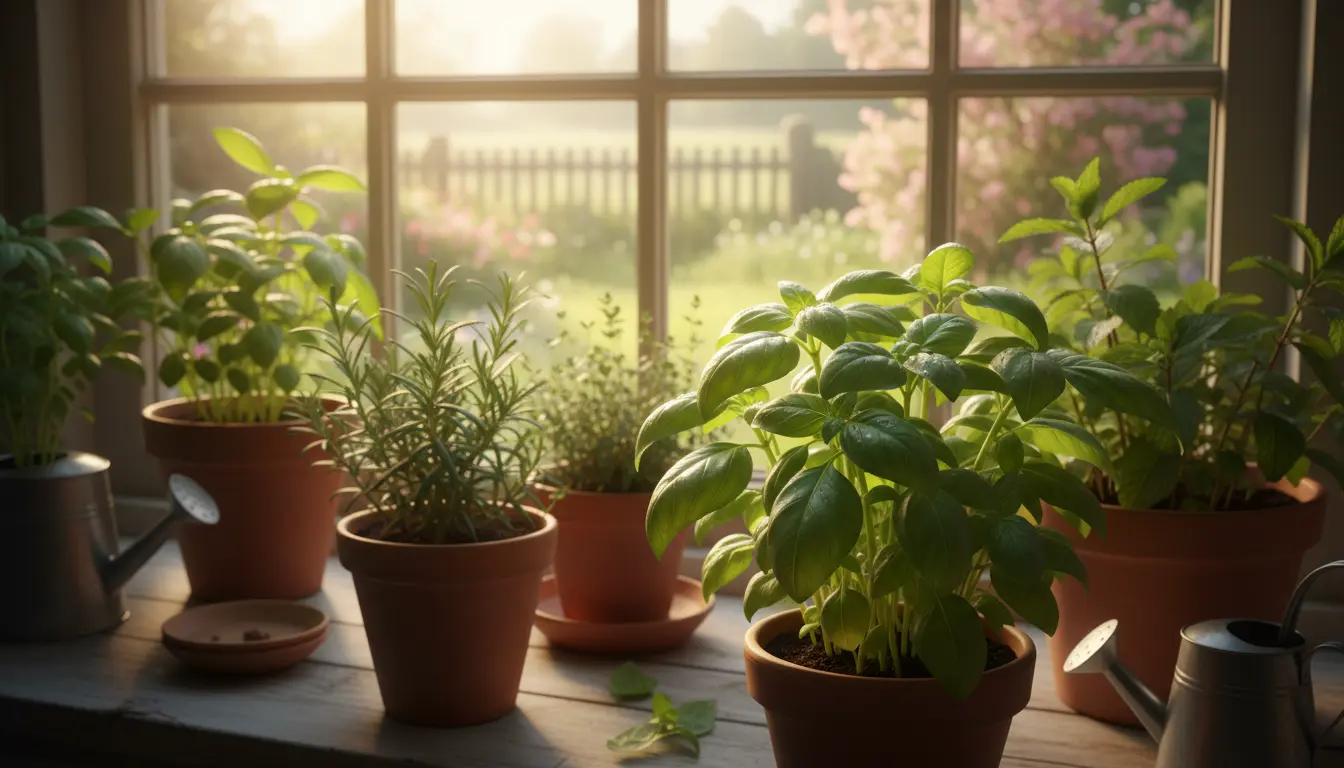
Getting started with an indoor herb garden
Growing herbs indoors is a practical way to have fresh flavors year-round and save money on store-bought herbs. With modest space and a little planning, most people can maintain a productive herb display on a windowsill or countertop.
Why choose an indoor herb garden
An indoor herb garden brings fresh ingredients within arm’s reach and improves kitchen aesthetics. Herbs also add pleasant aromas and can improve air quality compared with bare spaces.
Benefits of an indoor herb garden
- Fresh herbs for cooking and garnishes
- Lower food waste and reduced trips to the store
- Control over soil and pesticides
- Easy learning for new gardeners
How to set up an indoor herb garden
Successful indoor herb gardens balance light, water, soil, and air circulation. Start small, choose easy varieties, and adjust care based on how the plants respond.
Choose a location with good light
Place herbs where they receive 6–8 hours of bright, indirect light. South- or west-facing windows are typically best in temperate regions.
If natural light is limited, use a full-spectrum LED grow light positioned 6–12 inches above the plants for 12–14 hours daily.
Pick the right herbs for indoor growing
Select herbs known to tolerate indoor conditions. Some thrive better than others in containers and lower light.
- Basil — likes warmth and bright light
- Parsley — tolerates moderate light and is slow to bolt
- Chives — hardy and forgiving
- Mint — vigorous, keep in separate container to prevent spreading
- Thyme and oregano — prefer drier conditions and good drainage
Soil, containers, and drainage for indoor herb garden success
Use a well-draining potting mix formulated for containers. Avoid heavy garden soil, which can compact and suffocate roots.
Container selection tips
Choose pots with drainage holes to prevent root rot. Size matters: small herbs can start in 4–6 inch pots, while clumping herbs like basil prefer 8–10 inches.
- Terracotta: breathable but dries faster
- Plastic: retains moisture longer and is lighter
- Self-watering pots: helpful if you travel often
Watering and feeding your indoor herb garden
Most herbs prefer consistent moisture without being waterlogged. Water when the top 1 inch of soil feels dry and allow excess to drain away.
Fertilizing schedule
Feed container herbs with a balanced liquid fertilizer every 4–6 weeks during active growth. Reduce feeding in winter when growth slows.
Pruning and harvesting tips
Regular harvesting encourages bushier growth. Pinch or cut above a pair of leaves to promote branching.
Remove flowers promptly on herbs like basil to keep the plant focused on leaf production. For woody herbs (thyme, rosemary), trim lightly after flowering.
Common problems and solutions
Indoor herbs may face issues like leggy growth, yellowing leaves, or pests. Diagnose problems by checking light, watering habits, and soil quality.
- Leggy stems: increase light intensity or move plant closer to the window
- Yellow leaves: check for overwatering and improve drainage
- Aphids or spider mites: rinse leaves and use insecticidal soap if needed
Small case study: Windowsill success
Case study: In a small apartment, a tenant placed three 6-inch pots (basil, chives, and cilantro) on a south-facing windowsill and used a light fertilizer every 5 weeks. They harvested weekly and rotated pots to balance light exposure.
Within six weeks the basil had doubled in size, chives produced frequent harvests, and cilantro bolted during an unusually warm week. Moving cilantro to a slightly shadier spot extended its harvest window.
Quick checklist to start your indoor herb garden
- Select a bright location or purchase a full-spectrum LED grow light.
- Choose 2–5 beginner-friendly herbs and separate aggressive varieties like mint.
- Use a light, well-draining potting mix and containers with drainage holes.
- Water when the top inch of soil is dry and fertilize moderately during growth.
- Harvest regularly and prune to encourage bushier plants.
Chives and parsley can tolerate lower light than basil, making them ideal starter herbs for north-facing windows.
Final tips for a thriving indoor herb garden
Start with a few easy herbs and build your confidence before expanding. Observe your plants and tweak light, water, and placement rather than following rigid schedules.
Keep a small notebook or photos to track what works in your microclimate; small adjustments often make the biggest difference.