
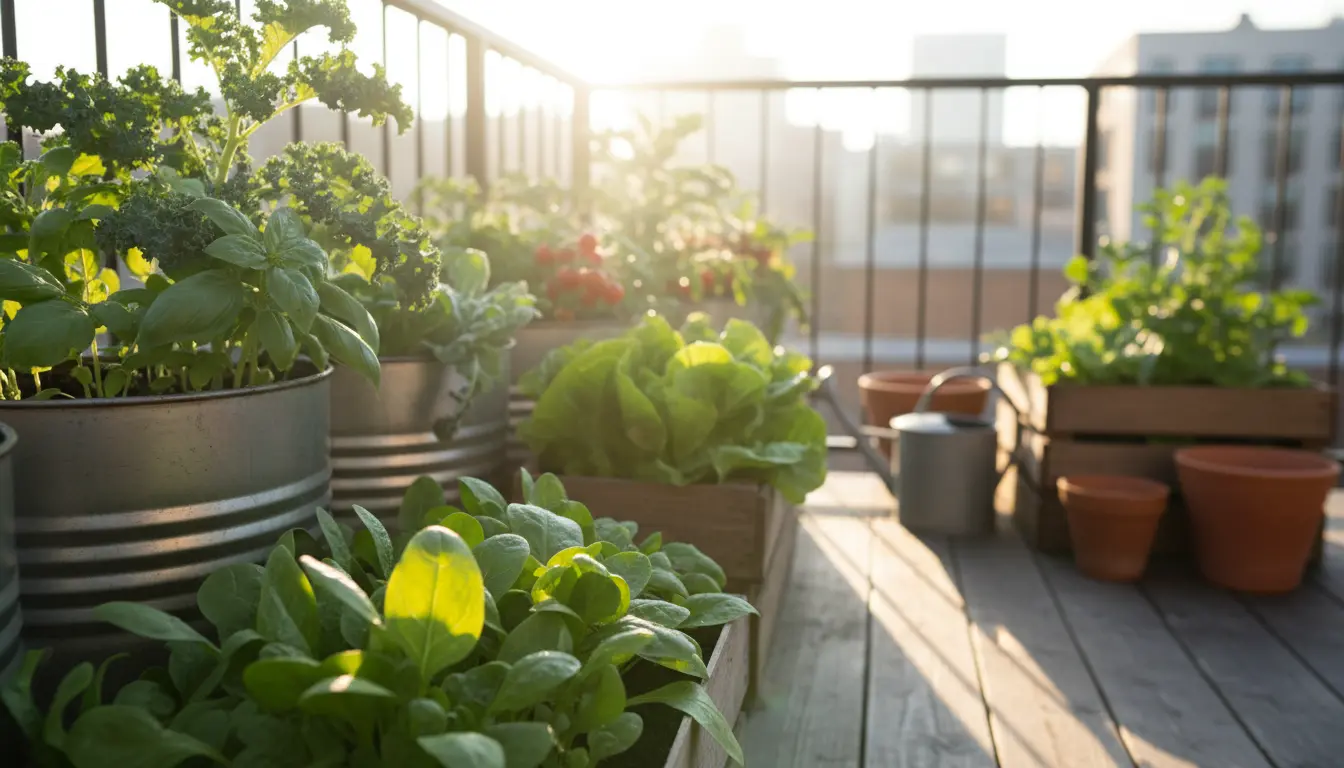
Starting a small vegetable garden is a realistic way to grow fresh food, even in limited space. This guide gives step-by-step, practical instructions to get you growing with low cost and minimal guesswork.
How to Start a Small Vegetable Garden: First Steps
Choose a location that gets at least 4–6 hours of direct sunlight per day. Most vegetables perform best with morning sun and some afternoon shade if your climate is hot.
Decide on the garden format: in-ground bed, raised bed, or containers. Each format changes soil needs, drainage, and planting depth, so plan before you buy plants.
Choosing Plants for a Small Vegetable Garden
Pick vegetables that match your space and diet. Focus on high-yield, compact varieties known as ‘bush’ or ‘dwarf’ types for small areas.
Good beginner plants include:
- Leafy greens (lettuce, spinach, arugula)
- Herbs (basil, cilantro, chives)
- Compact tomatoes and peppers (patio or dwarf varieties)
- Root vegetables in deep containers (radishes, carrots)
- Fast growers for quick harvests (radish, baby greens)
Soil and Containers for a Small Vegetable Garden
Healthy soil is the most important factor for a productive small vegetable garden. Use a mix that drains well but holds moisture—equal parts compost, topsoil, and a light amendment like coconut coir or peat.
For containers, choose pots with drainage holes and at least 12 inches deep for most vegetables. Raised beds should be 8–12 inches deep as a minimum for root development.
Soil Tips and Amendments
Test soil pH if using in-ground beds; vegetables prefer pH 6.0–7.0. Add compost annually to replenish nutrients and improve structure.
Use these simple amendments when needed:
- Compost for nutrients and microbes
- Perlite or coarse sand for drainage in heavy soils
- Bone meal or balanced organic fertilizer at planting
Watering and Feeding a Small Vegetable Garden
Consistent moisture is more important than frequent shallow watering. Aim for deep, less frequent watering to encourage strong roots.
Mulch around plants to retain moisture and suppress weeds. Organic mulches like straw or leaf mulch also add nutrients as they break down.
Watering Schedule and Fertilizer
Water in the morning when possible to reduce evaporation and disease. For containers, check soil moisture daily; pots dry out faster than beds.
Feed vegetables with a balanced organic fertilizer every 4–6 weeks during the growing season. Leafy crops benefit from higher nitrogen; fruiting crops like tomatoes need balanced or potassium-rich feeds.
Maintenance and Seasonal Care for a Small Vegetable Garden
Set aside 15–30 minutes two to three times per week for basic maintenance. Regular attention prevents small problems from becoming big ones.
Key maintenance tasks include pruning, staking, pest checks, and harvesting. Timely harvesting encourages more production and reduces pest attraction.
- Prune and stake tall or vining plants early to avoid damage.
- Remove dead leaves and diseased parts immediately.
- Rotate crops yearly if you use in-ground beds to reduce disease buildup.
- Use row covers or netting to protect against birds and insects.
Pest Management in a Small Vegetable Garden
Start with prevention: healthy soil, proper spacing, and clean tools lower pest pressure. Monitor plants regularly and act quickly on small infestations.
Nonchemical controls include hand-picking, insecticidal soaps, companion planting, and barriers like row covers. Use targeted organic sprays only as a last resort.
Small Real-World Example: Urban Balcony Case Study
Maria, an apartment dweller, started a small vegetable garden on a 6-foot balcony using four 12-inch containers. She chose compact cherry tomatoes, basil, leaf lettuce, and a pepper plant.
With one hour of weekly care, a balanced potting mix, and morning watering, Maria harvested salad greens weekly and 10–15 cherry tomatoes per week during peak season. Her total cost for soil and plants was under $80 the first season.
What Worked for Maria
- Selecting compact varieties for limited space
- Using quality potting mix with compost added
- Consistent watering schedule and light fertilizing every month
Starting a small vegetable garden is achievable with planning, the right plant choices, and consistent care. Choose a few reliable crops, prepare good soil, and keep maintenance simple to enjoy fresh produce all season long.
Follow these steps and adapt as you learn: test small, grow what you eat, and adjust watering and feeding to your climate. Small efforts produce steady rewards in taste and nutrition.