
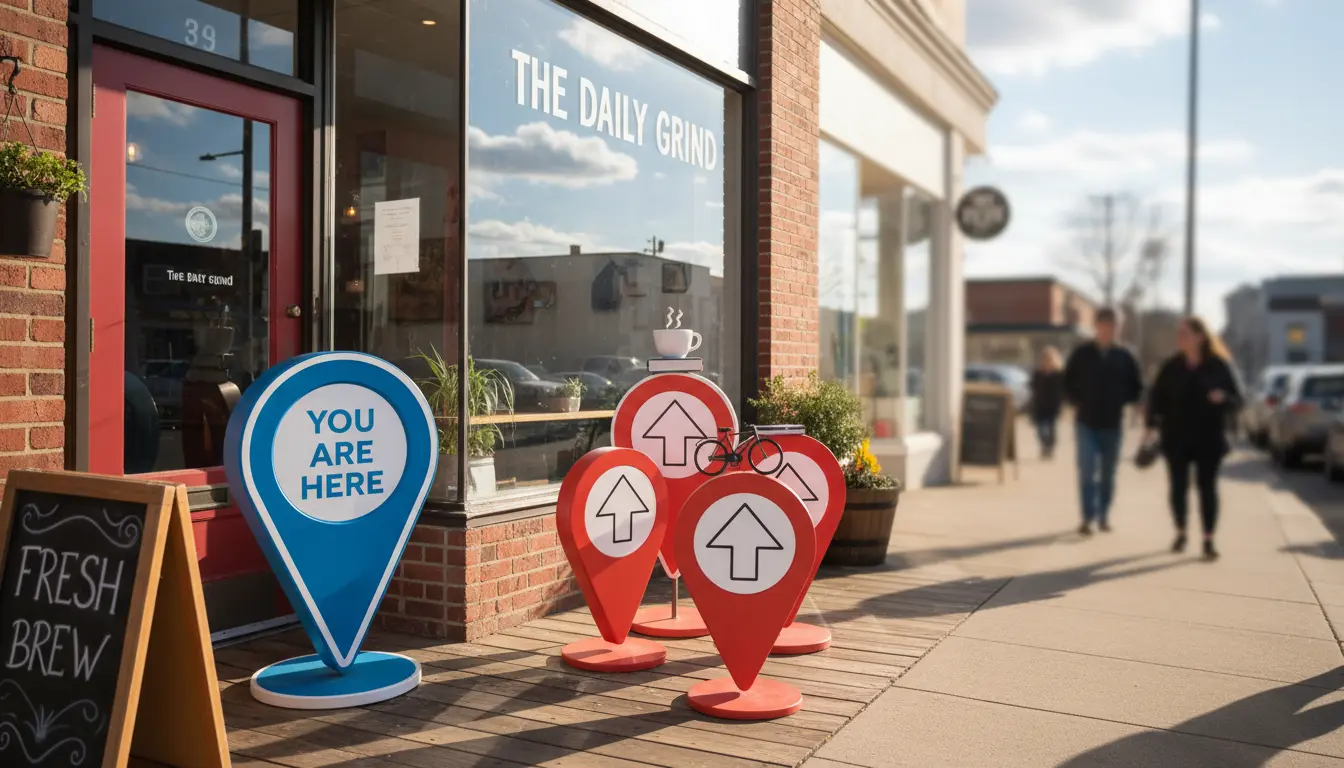
Local SEO for small businesses is about being found by nearby customers when they search online. This guide gives clear, actionable steps you can use without technical expertise.
What Is Local SEO for Small Businesses
Local SEO focuses on search results that show businesses in a specific geographic area. It targets queries such as “coffee shop near me” or “plumber in [city].”
Local SEO combines on-page optimization, local listings, reviews, and local links to improve visibility in search engines and map results.
Why Local SEO Matters for Small Businesses
Most local searches have strong purchase intent. People searching for nearby services often convert quickly after finding a local listing.
Good local SEO increases foot traffic, phone calls, and online orders without costly advertising. It levels the playing field for small, local operators.
Local SEO for Small Businesses Checklist
Use this checklist to prioritize work and track progress. Each item directly affects local rankings and customer reach.
- Create and verify your Google Business Profile (GBP).
- Optimize on-page signals: title tags, meta descriptions, and local content.
- Ensure NAP consistency: Name, Address, Phone number across listings.
- Gather and respond to customer reviews on key platforms.
- Build local citations and links from reputable local sites.
- Track performance with analytics and local rank tools.
On-Page Optimization for Local SEO
On-page optimization helps search engines understand your location and services. Use clear, short pages focused on each main service or location.
- Include city or neighborhood in title tags and headings where relevant.
- Write a concise meta description that mentions your city and service.
- Add a local business schema (JSON-LD) with accurate NAP and hours.
Google Business Profile Setup
Google Business Profile is a priority for local SEO for small businesses. A verified GBP appears in Maps and local packs.
Steps to set up a GBP:
- Create a profile at google.com/business and claim your listing.
- Verify by postcard, phone, or email when available.
- Choose accurate categories and add high-quality photos.
- Keep hours, services, and contact info up to date.
Local Citations and Backlinks
Citations are mentions of your business name, address, and phone on other sites. Consistency builds trust with search engines.
To build citations and links:
- List your business on reputable directories like Yelp, Bing Places, and industry-specific sites.
- Ask local partners, suppliers, or community sites for links or mentions.
- Create useful local content that attracts links, such as neighborhood guides or event pages.
Reviews and Reputation Management
Customer reviews influence both rankings and conversions. A steady stream of positive reviews signals relevance and quality.
Best practices for reviews:
- Ask satisfied customers to leave a review with a direct link to your GBP.
- Respond to all reviews professionally, including negative ones.
- Monitor review platforms regularly and address issues quickly.
Nearly half of all Google searches have local intent. Optimizing for local search can dramatically increase calls and visits from nearby customers.
Measuring Local SEO Success for Small Businesses
Track metrics that show real business impact, not just rankings. Important metrics include phone calls, direction requests, website visits, and conversions from local pages.
Tools you can use:
- Google Business Profile insights for calls and direction requests.
- Google Analytics for local page traffic and conversions.
- Local rank trackers to monitor map and organic visibility.
Real-World Example: Coffee Corner Case Study
Coffee Corner is a small independent cafe in a mid-sized town. After claiming their Google Business Profile and updating hours and photos, they focused on collecting reviews and adding local content.
Within two months they saw a 40% increase in direction requests and a 25% rise in walk-in customers during weekdays. The owner credited consistent review responses and weekly local-themed posts for the growth.
Quick 30-Day Action Plan for Local SEO
Follow this simple plan to get measurable improvements in 30 days. Each week has focused tasks you can complete with minimal budget.
- Week 1: Claim and verify GBP, fix NAP on your site, add local schema.
- Week 2: Optimize title tags and meta descriptions for main pages, publish a local service page.
- Week 3: Build listings on top directories, request reviews from recent customers.
- Week 4: Create one piece of local content and reach out to two local sites for mentions.
Local SEO for small businesses is an ongoing effort, not a one-time task. Prioritize GBP, reviews, and consistent NAP, and measure outcomes that matter to your business.
Start with the checklist and 30-day plan, then iterate based on what drives calls and visits. Small, steady improvements compound into stronger local visibility over time.