
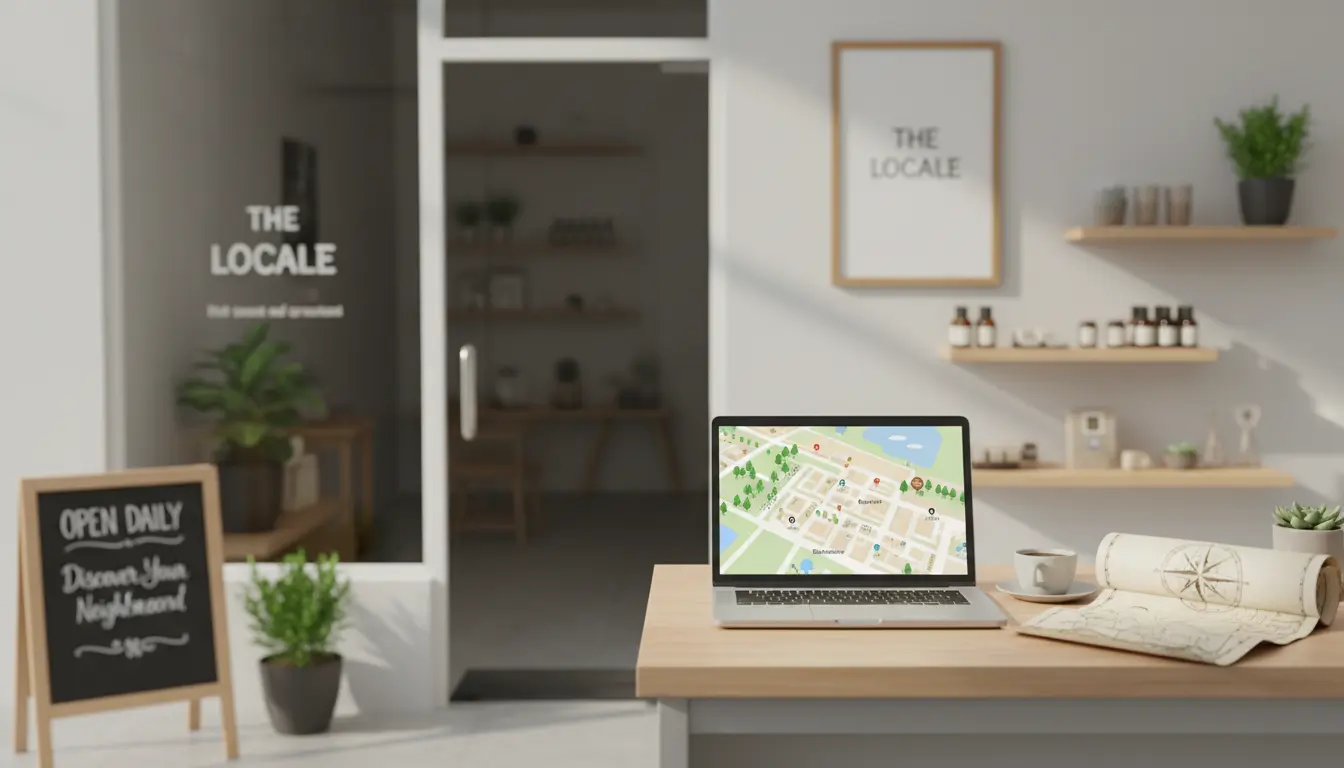
Start Here: What Local SEO for Small Businesses Does
Local SEO for small businesses helps nearby customers find your store, service, or office when they search online. It focuses on signals that tell search engines your business is relevant to searches in a specific geographic area.
Getting local SEO right means more phone calls, website visits, and foot traffic without expensive ads. This guide gives a practical checklist you can implement in a few weeks.
Key Components of Local SEO for Small Businesses
There are three core areas to focus on: business listings, on-page signals, and reputation. Each area requires regular attention and small improvements add up fast.
Business Listings and Google Business Profile
Claim and verify your Google Business Profile (GBP). This is the most visible local listing for most searches. Ensure your name, address, and phone number (NAP) are accurate and match your website.
Also claim listings on key directories like Bing Places, Yelp, and Apple Maps. Keep information consistent across platforms.
On-Page Local SEO for Small Businesses
Optimize pages on your website for local intent. Use your city or neighborhood naturally in page titles, headings, and first paragraphs. Create location-specific pages for multiple service areas.
Technical items to check:
- Mobile-friendly, fast-loading pages
- Schema markup for LocalBusiness to help search engines read your address and opening hours
- Clear contact page with embedded map
Reputation and Reviews
Online reviews influence both ranking and customer decisions. Encourage satisfied customers to leave reviews on Google and industry-specific sites. Respond professionally to all reviews, positive or negative.
Track review volume and average rating month to month. Small improvements in rating can noticeably increase click-through rate from search results.
Practical Steps: Local SEO for Small Businesses Checklist
Follow this prioritized checklist to get measurable results quickly. Tackle items in order of impact and effort.
- Claim and optimize your Google Business Profile with photos and correct categories.
- Ensure NAP consistency across your website and all major directories.
- Create one location page per service area with unique copy and contact details.
- Add LocalBusiness schema markup to your pages.
- Collect and respond to reviews; aim for a steady stream of new feedback.
- Build local links: sponsorships, local news, and business associations.
- Monitor rankings, impressions, and clicks in Google Search Console and your GBP insights.
Local Content Ideas and Keywords
Produce content that answers local questions and uses natural keywords. Think beyond simple service + city phrases and solve specific customer problems.
- How-to guides that mention neighborhoods: “How to choose a printer in Downtown X”
- Local event recap pages or sponsorship announcements
- FAQ pages with local terms and transit or parking details
Example Keyword Targets
- “[Service] near me”
- “[Service] in [City]”
- “[City] [Service] reviews”
Businesses with complete Google Business Profiles get 7x more clicks than incomplete listings. Keeping hours and photos updated increases customer engagement.
Tracking Local SEO for Small Businesses
Measure impact with a few regular metrics. Use these to decide where to invest next.
- Impressions and clicks from Google Search Console
- GBP views, calls, and direction requests from Google Business Profile insights
- Phone call tracking and conversion rate from contact forms
- Average review rating and review count
Monthly Routine
Set a repeatable monthly routine to keep momentum. Small, consistent actions outperform one-off efforts.
- Review and respond to new reviews weekly.
- Publish one local content piece every two weeks.
- Check directory consistency and update hours seasonally.
- Review GBP analytics and adjust priorities monthly.
Small Case Study: Local SEO for Small Businesses in Action
Joe’s Bakery is a two-location shop in a mid-size city. They claimed their Google Business Profiles, added up-to-date photos, and created two neighborhood pages on their site.
After three months of collecting reviews and publishing weekly local posts about seasonal pastries, Joe’s saw a 35% increase in direction requests and a 20% rise in walk-in customers. Most of the growth came from improving their GBP and consistent review responses.
Common Mistakes to Avoid
Steer clear of these frequent errors that waste effort or harm local visibility.
- Inconsistent NAP across directories.
- Using generic content across multiple location pages (duplicate content).
- Ignoring reviews or responding unprofessionally.
- Neglecting mobile speed and usability.
Next Steps for Business Owners
Start with claiming your Google Business Profile and fixing any NAP mismatches. Then schedule time for content and review drives.
Local SEO for small businesses is an ongoing process. Regular updates and customer interactions build authority and lead to steady local traffic growth.
Use this guide as a checklist you return to monthly. Small, consistent improvements yield real increases in visibility and local customers.