
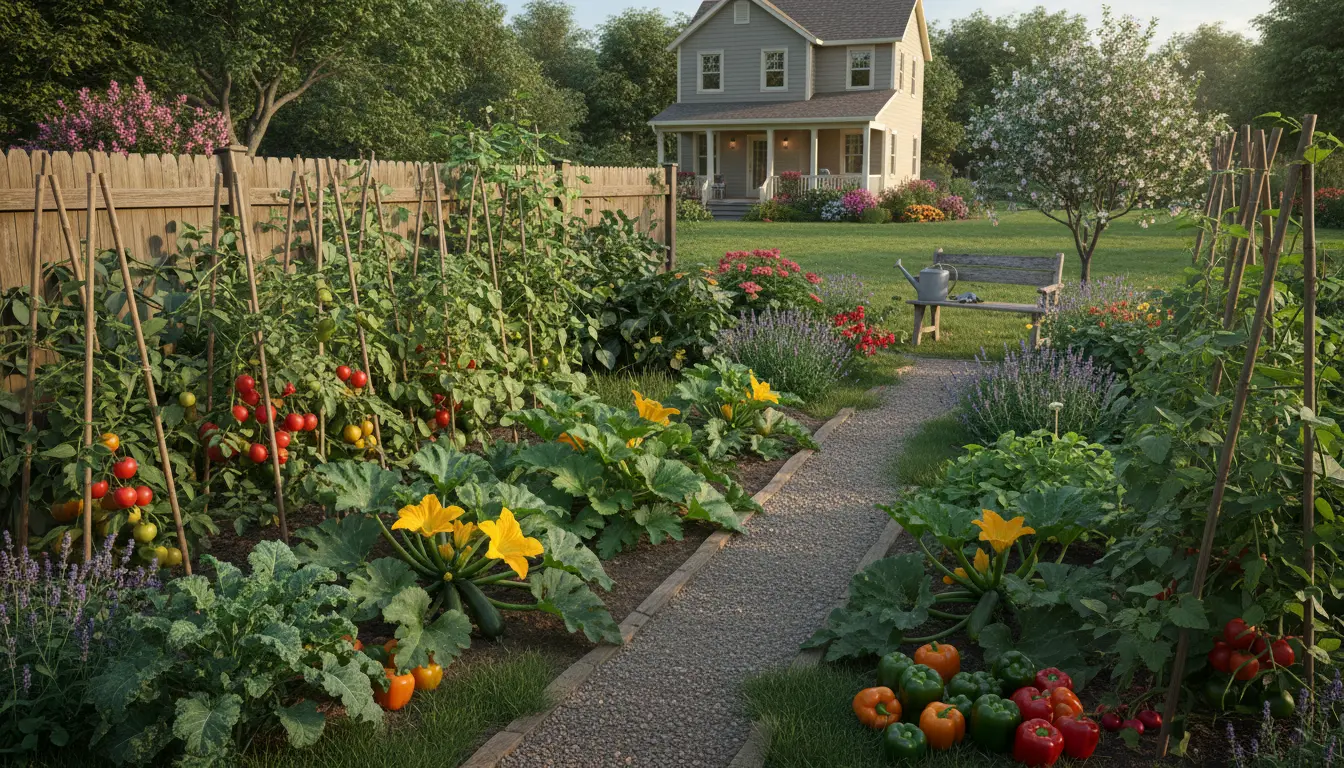
Starting a backyard vegetable garden is a practical way to grow fresh food, save money, and enjoy outdoor activity. This guide breaks the process into clear steps you can follow even if you are a complete beginner.
How to Choose a Site for Your Backyard Vegetable Garden
Location is one of the most important decisions for a backyard vegetable garden. Pick a spot that receives at least 6 hours of direct sun for most vegetables.
Also consider access to water and ease of reach. A plot near the house makes watering, harvesting, and monitoring easier.
Sun, Soil, and Accessibility for a Backyard Vegetable Garden
Check sunlight patterns across the day. Note areas shaded by trees or buildings. If full sun is not available, choose crops that tolerate partial shade like lettuce and spinach.
Assess soil by taking a small shovel sample. Healthy garden soil is crumbly and dark. If your soil is compacted or poor, raised beds or containers are a strong alternative.
Prepare Soil and Containers for Your Backyard Vegetable Garden
Good soil feeds healthy plants. Start by removing weeds and loosening the top 8–12 inches of bed soil. Mix in compost and a balanced organic fertilizer.
For containers and raised beds, use a mix of quality topsoil and compost. Ensure containers have drainage holes and are large enough for the crops you choose.
Soil Amendments and pH Tips
Most vegetables prefer a pH between 6.0 and 7.0. Use a basic soil test kit to measure pH and nutrient levels. Add lime to raise pH or sulfur to lower it, following package directions.
Compost adds organic matter, improves drainage, and supplies slow-release nutrients. Aim to add a few inches of compost each season.
Choose the Best Crops for a Backyard Vegetable Garden
Select crops based on climate, space, and your eating habits. Easy beginner choices include tomatoes, peppers, lettuce, radishes, green beans, and herbs.
If space is limited, focus on high-yield, compact varieties and use vertical supports for vining plants like peas and cucumbers.
Succession Planting and Companion Planting
Use succession planting to get continuous harvests. For example, plant lettuce every 2–3 weeks in spring and fall.
Companion planting pairs crops to improve growth or deter pests. Examples: basil with tomatoes, marigolds to reduce nematodes, and onions near carrots.
Planting Schedule and Techniques for a Backyard Vegetable Garden
Follow your local frost dates to schedule planting. Cool-season crops (lettuce, peas, spinach) go in early spring. Warm-season crops (tomatoes, peppers) go out after the last frost.
Start some plants indoors if your season is short. Harden off seedlings outside for a week before transplanting to reduce shock.
Spacing and Depth
Read seed packets and plant tags for spacing and depth. Overcrowding reduces air circulation and increases disease risk.
Use row markers or planting grids to maintain consistent spacing and simplify maintenance.
Watering and Maintenance in a Backyard Vegetable Garden
Consistent watering is critical. Most vegetables need 1–1.5 inches of water per week. Deep, infrequent watering encourages strong roots.
Mulch with straw, wood chips, or shredded leaves to preserve moisture and suppress weeds. Keep mulch a few inches away from plant stems to prevent rot.
Routine Tasks
- Monitor for pests and disease weekly.
- Remove weeds before they set seed.
- Support tall plants with stakes, cages, or trellises.
- Prune only when necessary, such as removing suckers on indeterminate tomatoes.
Pest and Disease Management for a Backyard Vegetable Garden
Identify pests early and use targeted controls. Hand-pick large pests like caterpillars and slugs. Use row covers to protect seedlings from insects.
Rotate crops each year to reduce disease buildup. Avoid planting the same plant family in the same spot for consecutive seasons.
Organic Options
Soap sprays, neem oil, and biological controls like beneficial insects work well for many common pests. Apply treatments in the evening to avoid harming pollinators.
Harvesting and Storing from Your Backyard Vegetable Garden
Harvest vegetables at peak ripeness for best flavor and continued production. Many plants reward frequent harvesting with more fruit.
Store produce properly: leafy greens in cool, moist conditions; root vegetables in a root cellar or cool storage; tomatoes at room temperature for best flavor.
Small Real-World Example: A Simple Raised Bed Start
Case study: Maria had a small sunny backyard and built a 4×8 raised bed. She filled it with a 60/40 mix of compost and topsoil, planted determinate tomatoes, basil, and lettuce, and mulched paths to reduce weeds.
In her first season she harvested continuous lettuce and three flushes of tomatoes. She saved money on groceries and reported less food waste because she picked only what she needed.
Quick Checklist to Start Your Backyard Vegetable Garden
- Choose a sunny, accessible site near water.
- Test and amend soil; consider raised beds if soil is poor.
- Select beginner-friendly crops suited to your climate.
- Plan planting schedule around frost dates.
- Water deeply, mulch, and monitor for pests regularly.
Starting a backyard vegetable garden is manageable with a bit of planning and routine care. Use these steps to build a productive, low-stress garden that fits your space and schedule.