
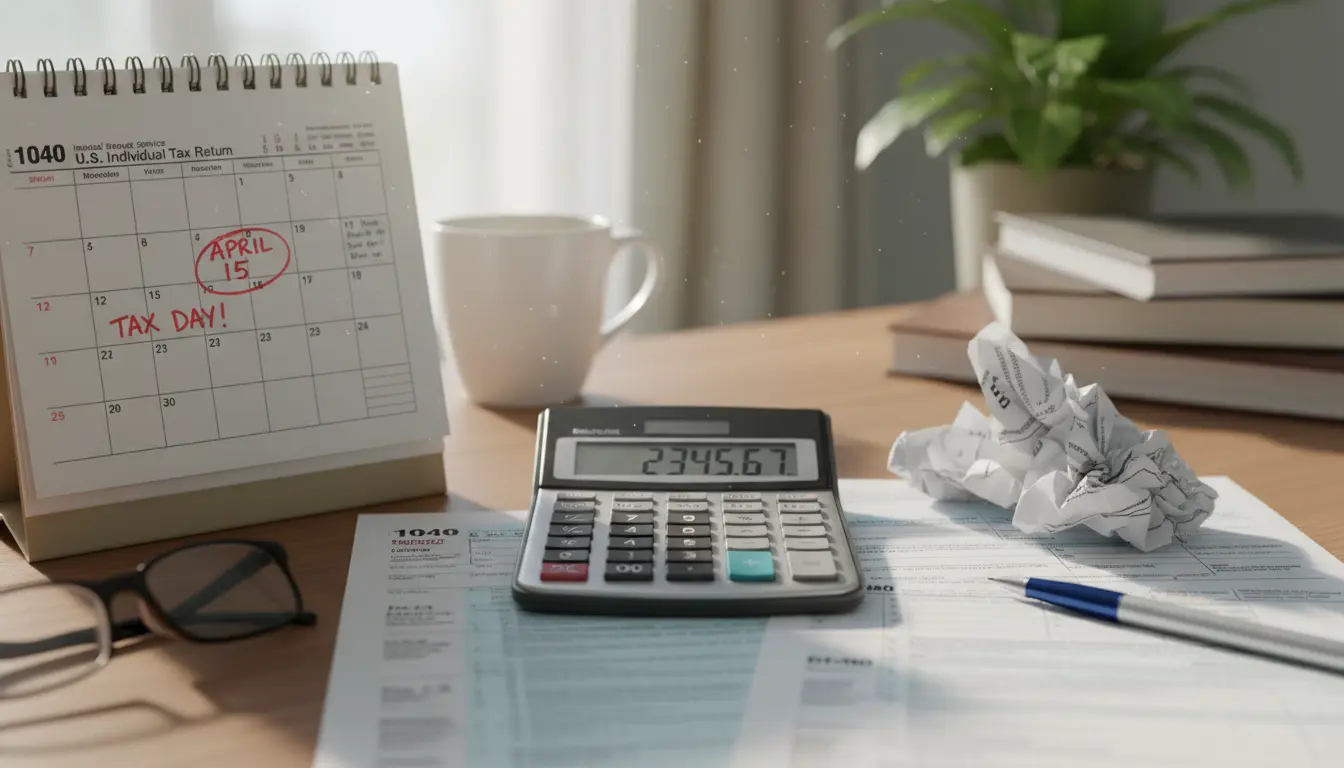
The 2026 tax season raises familiar questions: when can you file, when will the IRS issue refunds, and what can make refunds slower this year? This guide walks through likely filing windows, typical refund timing, and practical steps to avoid delays.
2026 IRS Income Tax Refund Schedule: What to Expect
The IRS usually opens electronic filing in late January and sets the filing deadline for mid-April. For 2026, Tax Day falls on April 15, 2026, so returns and extension requests must be submitted by that date.

Official start dates for the IRS e-file system are announced each year. Expect the IRS to begin accepting returns in the last week of January. Confirm the exact acceptance date at IRS.gov when the announcement is posted.
Key points about the 2026 refund schedule
- The IRS typically begins accepting returns in late January.
- Filing deadline: April 15, 2026.
- Refund issuance depends on filing method, accuracy, and any credits claimed.
Official Filing Dates for 2026 Taxes
Here are the practical dates and actions to plan for this season. Treat the acceptance start as a provisional window until IRS confirms the exact day.
- Late January 2026: IRS likely begins accepting e-filed returns. Check IRS.gov for confirmation.
- April 15, 2026: Last day to file individual federal tax returns (Form 1040) or request an extension.
- October 15, 2026: Extended filing deadline for those who filed Form 4868 by April 15.
Filing tips to meet official dates
- Collect all forms (W-2, 1099s) before filing to avoid amendments.
- Use e-file with direct deposit to reduce processing time.
- If you need more time, file an extension by April 15 to avoid late filing penalties.
2026 Refund Timeline: When Will You Get Your Money?
Refund timing varies, but these general rules are useful for planning. If nothing unusual affects your return, you can expect a fairly quick turnaround.
Typical refund timeline
- Return accepted by IRS: within 24–48 hours for e-filed returns.
- Refund issued: often within 21 days of acceptance for e-filed returns with direct deposit and no flags.
- Paper returns: processing and refunds can take 6–8 weeks or longer.
Remember: these are typical timelines, not guarantees. Certain credits and security checks can extend the wait.
Common reasons refunds are delayed
- Return claims the Earned Income Tax Credit (EITC) or Additional Child Tax Credit (ACTC). Under existing rules, refunds claiming these credits may be delayed until the IRS completes additional checks.
- Math errors, missing forms, or identity verification requests.
- Paper filing, which requires manual processing at IRS centers.
The IRS often holds refunds for returns that claim certain credits, such as the EITC or ACTC, until mid-February. This rule is intended to reduce fraud and improper payments.
How to Check and Speed Up Your 2026 Refund
Use these practical steps to monitor progress and minimize delays. Small choices when filing can shorten your wait.
Steps to track your refund
- Use the IRS “Where’s My Refund?” tool at IRS.gov. It updates daily once the IRS accepts your return.
- Download the IRS2Go mobile app for quick status checks.
- Keep your bank account details current for direct deposit to avoid mailed checks.
Ways to reduce the chance of delay
- File electronically and choose direct deposit.
- Double-check names, Social Security numbers, and bank routing numbers.
- Attach required schedules and documents with your return; don’t mail them later unless requested.
- If you have a history of identity theft, request an Identity Protection PIN from the IRS.
Case Study: A Simple 2026 Refund Timeline

Sarah is a single filer with a straightforward W-2 job and no claimed credits that trigger holds. She e-filed her 2025 return on January 30, 2026 with direct deposit selected.
- Jan 30, 2026: Return e-filed.
- Jan 31, 2026: IRS accepted the return.
- Feb 18, 2026: Refund deposited into Sarah’s bank account (19 days after acceptance).
This example shows a smooth cycle: e-file, direct deposit, accurate data, and no refundable credit flags. Outcomes will differ when returns require extra review.
Final Checklist Before You File
- Gather all tax documents (W-2s, 1099s, 1098s) early.
- Decide whether to e-file or submit a paper return.
- Choose direct deposit and verify bank details.
- Watch for the IRS announcement of the official e-file start date in January.
- Keep copies of your return and confirmations after filing.
Stay alert for the IRS announcement about the exact e-file start date. Following the steps above will position you to file on time and receive your refund as quickly as possible.