

Background: The $2,000 Stimulus Checks and Recent Debates
The idea of $2,000 stimulus checks returned to public discussion after past emergency payments. Lawmakers and executives have debated size, timing, and eligibility for direct payments since 2020.
Understanding how these proposals evolved helps clarify why the Trump administration’s statements matter for 2026 planning. Policy signals now affect markets, state budgets, and household expectations.
How the Trump Administration’s Signals Affect 2026 Policy
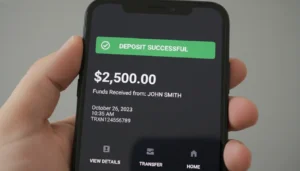
When a presidential administration signals support or opposition for direct payments, it shapes congressional priorities. The Trump administration’s public comments and executive choices influence Republican strategy and negotiation positions.
Signals that favor or oppose a $2,000 check change the likelihood of federal action in 2026. This affects planning for local governments, employers, and families that expect supplemental income.
Key policy signals to watch
- Public statements from the president and senior advisers about direct payments.
- Budget proposals and proposed revenue measures that indicate funding sources.
- Appointments to economic agencies like Treasury and OMB that set priorities.
- Party messaging and committee agendas in Congress related to fiscal stimulus.
Eligibility and Distribution: What Might Change by 2026
If a $2,000 stimulus payment is considered, eligibility rules and distribution methods might differ from past rounds. Lawmakers often revisit income thresholds, dependent rules, and phaseouts.

Distribution could use existing IRS mechanisms, Social Security databases, or new state-federal coordination. Each choice affects speed, accuracy, and political feasibility.
Possible eligibility models
- Flat payment to all adult citizens and resident taxpayers.
- Means-tested payments based on adjusted gross income with phaseouts.
- Targeted payments to low-income households or those receiving benefits.
- Hybrid models combining flat base amounts with supplements for dependents.
Economic Effects: Short-Term and Medium-Term Outlook
$2,000 checks can raise short-term consumer spending and relieve household stress. They often boost retail sales, reduce delinquencies, and provide liquidity for lower-income families.
Over the medium term, the effects depend on how payments are funded. If deficit-financed, they may put upward pressure on interest rates and long-term fiscal debates.
Practical effects households should expect
- Immediate increase in disposable income for recipients.
- Potential reduction in short-term debt or higher savings if uncertainty persists.
- Possible local economic stimulus in consumer-facing sectors like retail and food service.

Previous stimulus checks in the United States reached tens of millions of households within weeks by using IRS direct-deposit records and Social Security payment systems.
How to Prepare Personally for a Possible 2026 Payment
Households can take practical steps now to be ready for any direct payment or shift in tax rules. Preparing prevents missed opportunities and reduces errors when payments are distributed.
Recommended actions include updating IRS records, reviewing benefit enrollments, and planning short-term budgets that account for a one-time payment.
Checklist for individuals
- Confirm your address and direct deposit details with the IRS or Social Security.
- Keep recent tax filings accessible in case eligibility is based on prior-year income.
- Prioritize debts and emergency savings allocation if you expect a one-time payment.
- Monitor official federal announcements rather than social media for accurate timelines.
Case Study: Small Business and Household Response to Past Checks
In 2021 a small coffee shop in Ohio reported a short-term sales bump after stimulus checks. The owner used part of her payment to restock inventory and hire a temporary barista for rush hours.
On the household side, a two-income family in Texas used a similar payment to pay down a high-interest credit card and cover a delayed medical bill. The payment reduced their minimum monthly interest payments and freed cash flow for two months.
These real-world responses show how a $2,000 check tends to be split between consumption, debt repayment, and saving depending on household needs.
Risks and Political Trade-Offs Ahead of 2026
Implementing a $2,000 payment carries trade-offs. Critics argue about inflationary risks, the cost to the federal budget, and fairness across income groups. Supporters emphasize immediate relief and economic stimulus for low-income households.
Expect debates to center on funding mechanisms, long-term fiscal plans, and whether payments should be one-time or recurring. The Trump administration’s stance will be a key variable in shaping those debates.
Key risks to monitor
- Inflationary pressure if stimulus is large and persistent.
- Political backlash if payments are seen as uneven or poorly targeted.
- Implementation errors that slow delivery and reduce effectiveness.
Practical Takeaway: What You Can Do Now
Stay informed through authoritative sources such as Treasury, IRS, and congressional updates. Prepare basic documents and consider conservative financial planning in case a one-time payment arrives.
Businesses should model short-term cash-flow improvements and plan how to manage temporary demand spikes without overcommitting resources. Households should prioritize high-interest debt and emergency savings.
By tracking policy signals from the Trump administration and Congress, individuals and businesses can better anticipate the likelihood and design of any $2,000 stimulus checks in 2026. Thoughtful preparation makes any government payment more effective at the household level.