
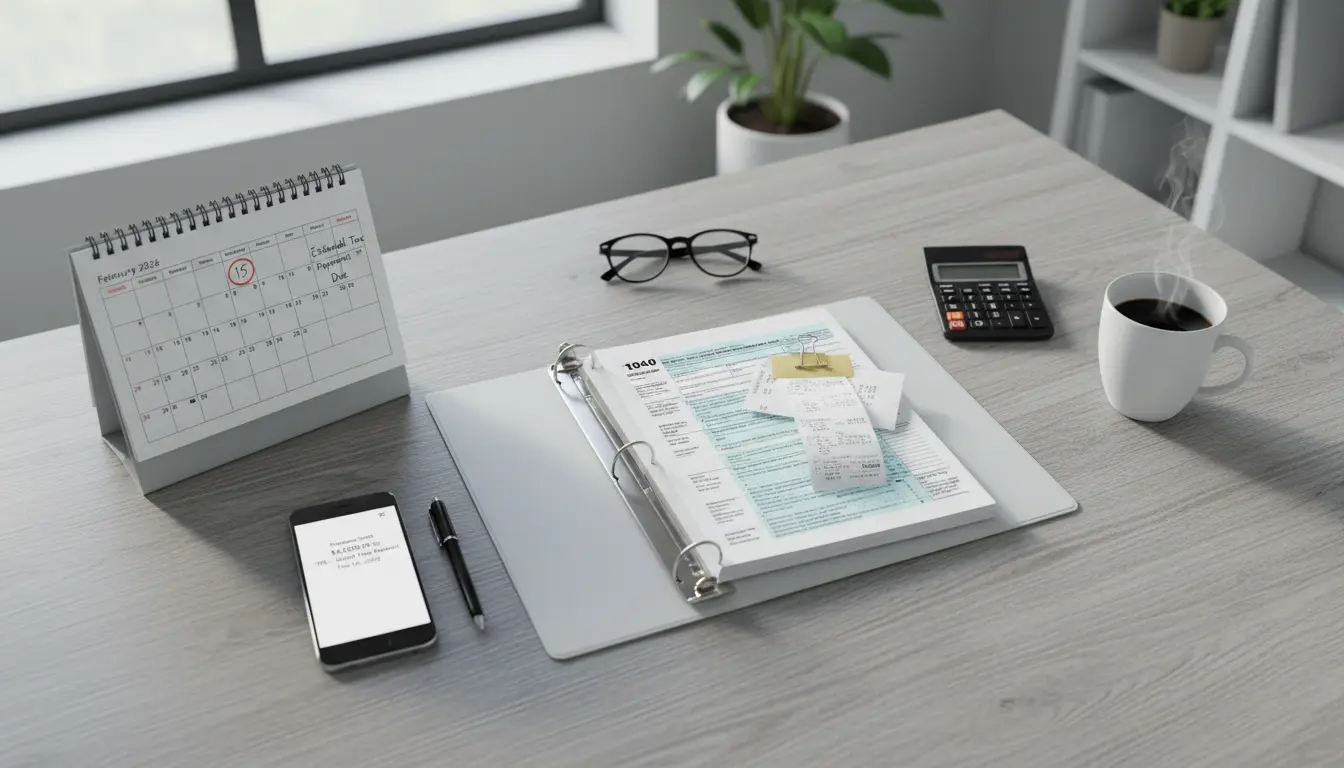
This handbook explains the $2000 IRS deposits rolling out February 2026 and gives beneficiaries clear, practical steps to confirm eligibility, receive payments, and meet requirements. Read the rules, calendar dates, and examples to prepare for the payments.
2000 IRS Deposits Rolling Out February 2026: Overview
The IRS will distribute one-time $2000 deposits to qualifying beneficiaries beginning in February 2026. Payments are targeted and follow strict eligibility and verification rules set by the Treasury and IRS.

This section summarizes who is eligible, how payments are delivered, and what documentation may be required.
Eligibility and requirements for $2000 IRS deposits
Eligibility is based on recent law and IRS guidance. Most beneficiaries fall into familiar categories but must meet specific conditions.
Who qualifies
- U.S. citizens and resident aliens with valid Social Security numbers for tax purposes.
- Individuals who meet income thresholds and filing status requirements specified by the IRS guidance.
- Certain Social Security, SSI, and other benefit recipients as defined in the program rules.
Who does not qualify
- Nonresident aliens without qualifying tax identification.
- Entities and businesses — this payment is for individuals only.
- Individuals who failed required verification or opt-out where allowed.
Important dates and payment schedule
Understanding the timeline helps beneficiaries know when to expect funds and when to act if there are issues.
Key dates for February 2026 roll-out
- Early February 2026: Initial direct deposits begin for accounts on file with the IRS or SSA.
- Mid February 2026: Paper checks mailed to beneficiaries without direct deposit information.
- Late February 2026: Second wave of deposits for late verifications and corrections.
What to do if you do not receive a payment
- Check your IRS online account for payment status and any notices.
- Confirm your bank account info with the Social Security Administration if you receive SSA benefits.
- Contact the IRS Payment Hotline only if online tools show no status after the expected schedule.
How to receive your deposit: direct deposit, check, or debit card

Payments will be delivered by direct deposit when possible. If the IRS does not have bank details, they will send a paper check or a secure debit card in the mail.
Direct deposit best practices
- Verify bank routing and account numbers in the IRS or SSA profile before February.
- Watch for bank deposit descriptions that include an IRS identifier.
- If you change banks, update the IRS/SSA as soon as possible to avoid delays.
Paper check and debit card tips
Paper checks and debit cards can be slower and may require activation. Treat mailed items as official: follow activation instructions and use secure methods to deposit or transfer funds.
The IRS will not send unsolicited emails asking for bank details to claim this $2000 payment. Scammers often mimic IRS notices — use only official IRS.gov tools to check payment status.
Documentation and verification rules

Some beneficiaries must complete identity or eligibility verification before the payment posts. The IRS will notify those individuals directly through their official accounts or postal notices.
Common verification requests
- Proof of identity (government photo ID matching IRS records).
- Confirmation of filing status or proof of dependent relationships if applicable.
- Bank account verification for direct deposit enrollment.
Tax implications and reporting for beneficiaries
This $2000 deposit is described in IRS guidance as a tax-free assistance payment in many cases, but rules can vary. Confirm the tax treatment in the final IRS guidance and consult a tax professional if unsure.
What to keep for records
- Copy of any IRS notice related to the payment.
- Bank statements showing the deposit.
- Documentation used for verification or eligibility confirmation.
Practical checklist for beneficiaries
Use this checklist to prepare for the February 2026 payments and avoid delays or fraud.
- Verify your IRS and SSA account contact and bank details in January 2026.
- Monitor IRS.gov online account or mailed notices for verification requests.
- Keep records of deposit notifications and any activation steps for debit cards.
- Use only official IRS communication channels; ignore unsolicited calls or emails asking for personal or bank details.
Real-world example: simple case study
Case: Maria is a 62-year-old Social Security beneficiary who receives monthly benefits by direct deposit. She checks her SSA online profile and confirms her bank account on January 20, 2026.
Result: In early February 2026, Maria sees a $2000 deposit labeled with the IRS identifier. She saves the notice, records the deposit on her bank statement, and keeps it with her financial records for tax season.
Where to get help and official resources
Use official IRS and Social Security Administration websites and phone lines for guidance. Beware of phishing and impersonation scams; the IRS will not demand immediate payment via phone or email to release benefits.
Helpful links: IRS.gov payment status page, SSA.gov account services, and the Treasury announcements page.
Follow this handbook to confirm eligibility, prepare required documents, and avoid delays. Keep records and use official channels to ensure you receive the $2000 IRS deposit when distributions begin in February 2026.