
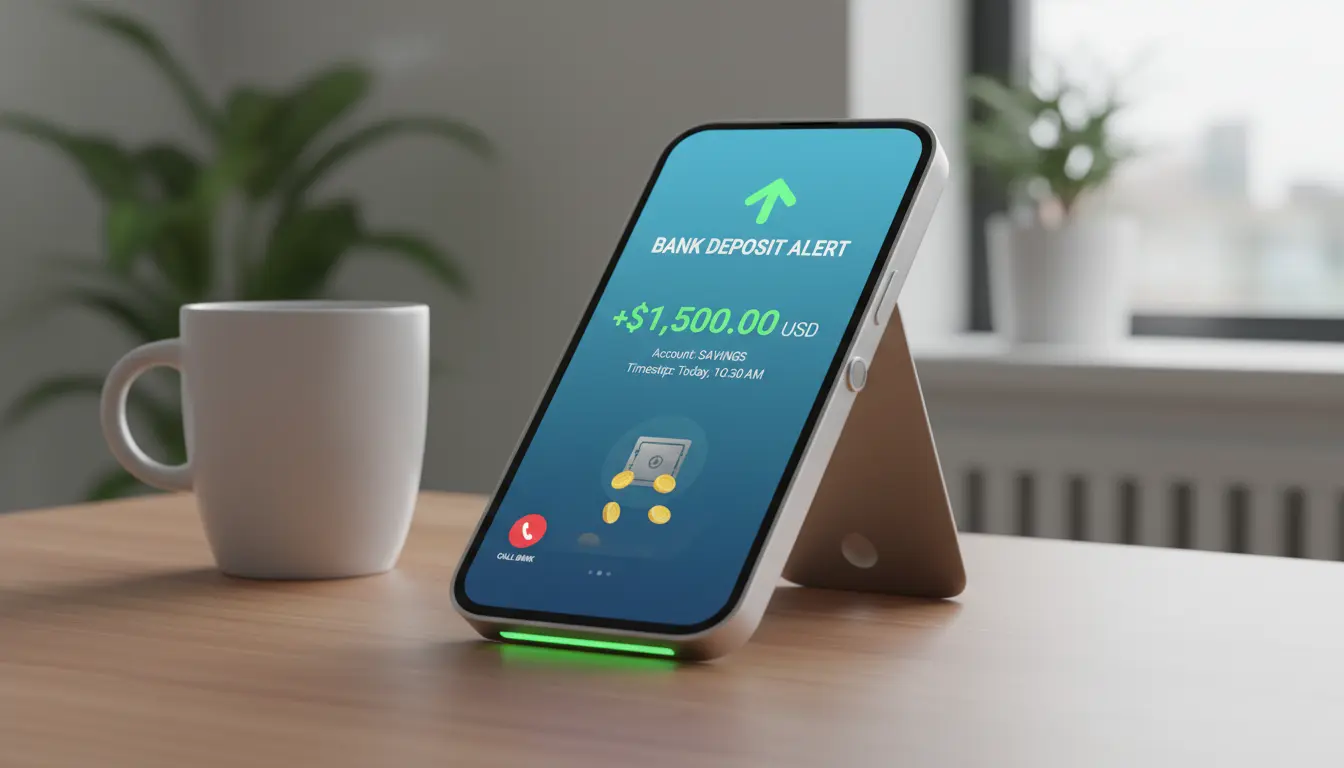
Many reports refer to 2000 direct deposits scheduled for February 2026. This article explains what the phrase typically means, who may be eligible, when deposits normally post, and the practical steps beneficiaries should take to receive funds safely.
2000 Direct Deposits Coming February 2026: What this means
Headlines sometimes omit the dollar sign; in this guide “2000 direct deposits” is used to describe $2,000 payments expected to post via direct deposit in February 2026. These could be government benefit payments, one-time relief payments, or organizational disbursements.
Official agencies usually release eligibility and schedule notices before payments hit accounts. Treat early news as preliminary and verify details with the issuing agency or your bank.
Common sources of $2,000 direct deposits
- Federal or state benefit programs (one-time relief or retroactive payments).
- Employer or contractor bonus payments processed through payroll.
- Private or nonprofit disbursements for grants or refunds.
Eligibility for 2000 Direct Deposits Coming February 2026
Eligibility varies by program. There is no single nationwide rule that guarantees every household will receive $2,000. Instead, eligibility is set by the specific payer and their rules.
Typical eligibility factors include residency, prior enrollment in a benefit program, income thresholds, and submission deadlines. You must confirm eligibility directly with the issuing source.
Checklist — how to verify eligibility
- Visit the official agency website or contact their help line for the announcement.
- Check any mailed notices or portal messages you already received.
- Confirm whether your bank account on file is current and able to receive direct deposit.
- Look for eligibility deadlines and required documentation (e.g., tax forms or proof of income).
Dates: When will 2000 Direct Deposits post in February 2026?

Exact posting dates depend on the payer and the bank’s processing. If a program uses standard benefit cycles, payments often post on set dates tied to birthdays, Social Security payment days, or program-specific calendars.
Expect that deposits will appear in accounts during February 2026, but timing can vary by a few days depending on weekends, bank holidays, and interbank processing times.
How to monitor expected dates
- Check the payer’s official payment schedule (most publish a calendar).
- Sign up for email or SMS alerts from your bank for deposits.
- Monitor your account online starting a few days before the expected payment window.
Beneficiary Guidelines for 2000 Direct Deposits Coming February 2026
Beneficiaries must ensure their payment information is complete and accurate. Rules differ if the beneficiary is a person, a guardian, or an estate representative.

Common beneficiary rules include naming a bank account, confirming identity, and providing consent where required. If you act on behalf of someone else, you may need documentation proving authority.
Key beneficiary steps
- Confirm the routing and account numbers on file are correct.
- Provide required legal documentation for guardians, agents, or executors.
- Update direct deposit information before any published cutoff date.
- Understand tax or offset rules that could change the net amount received.
How to set up or update direct deposit for the February payments
Set up or update direct deposit well before February to avoid delays. Most organizations require account details and a consent form or online verification.
Use the issuing agency’s secure portal or your bank’s routing verification process. Avoid sending sensitive account details by unsecured email.
Step-by-step setup
- Locate the official enrollment page for the payment program.
- Enter and verify your routing and account numbers (use a voided check if requested).
- Save confirmation numbers or print the confirmation page.
- Watch your bank account for a small verification deposit or the full payment on the posted schedule.
Many agencies use a small test deposit (under $1) to verify direct deposit accounts. This appears as a temporary transaction and should be confirmed before the full payment posts.
Practical tips and common issues
If a payment is late or missing, first confirm the payer’s schedule and then check your bank’s posted transactions. Delays may result from account errors, returned payments, or bank processing holds.
Keep records of confirmations and communications. If you believe a payment was incorrectly withheld, contact the issuing agency promptly and provide your account confirmation details.
Problems and quick fixes
- Incorrect account number — update information and ask about reissue procedures.
- Returned payment — provide a valid account and requested identification.
- Payment offset (e.g., past-due obligations) — ask the payer for a notice explaining offsets.
Small case study: Real-world example
Maria is a retiree who expected a $2,000 direct deposit in February 2026 from a state program. She confirmed her account details online two weeks before the window and printed the confirmation number.
When the deposit posted on February 12, her bank sent an alert and the funds were available by noon. Maria kept the confirmation and saved the notice from the agency for her records.
Final checklist before February 2026
- Verify eligibility directly with the program paying the $2,000.
- Confirm or update direct deposit details early (watch cutoff dates).
- Sign up for bank alerts and monitor accounts daily during the expected window.
- Keep documentation of confirmations and communications in case of disputes.
If you need help interpreting an official notice you received, contact the issuing agency or your bank’s customer service. They can confirm timelines and next steps for missing or returned deposits.